
Concentrix Remote Jobs: Roles, Hiring & What to Know
Table of Contents
Let’s be real—staring at the endless application black hole is exhausting. If you’re hunting for a lifeline, you’ve probably searched for Concentrix remote jobs hoping for a fast, attainable win. As a career strategist here at Jobright.ai, I constantly see job seekers mass-applying to Concentrix work from home jobs, only to get instantly rejected. My name is Dora, and after analyzing hundreds of support resumes, I know exactly what their automated systems are screening for. In this guide, we are cutting through the hype. I’ll walk you through the exact roles they actually hire for, the hidden metrics recruiters care about, and how to decide if this highly structured environment is your best next move or a fast track to burnout.
What Kind of Remote Jobs Concentrix Usually Hires For
If you’ve searched Concentrix jobs remote, you’ve probably noticed a pattern fast. Most listings are not broad “work anywhere, do anything” roles. They tend to cluster around customer operations.
That matters because your resume strategy needs alignment with the actual role family. If your background is in product, data, or engineering, you can still apply. But you need to position your value prop in a way the screening algorithm can understand.
Customer support, call center, and client-facing roles
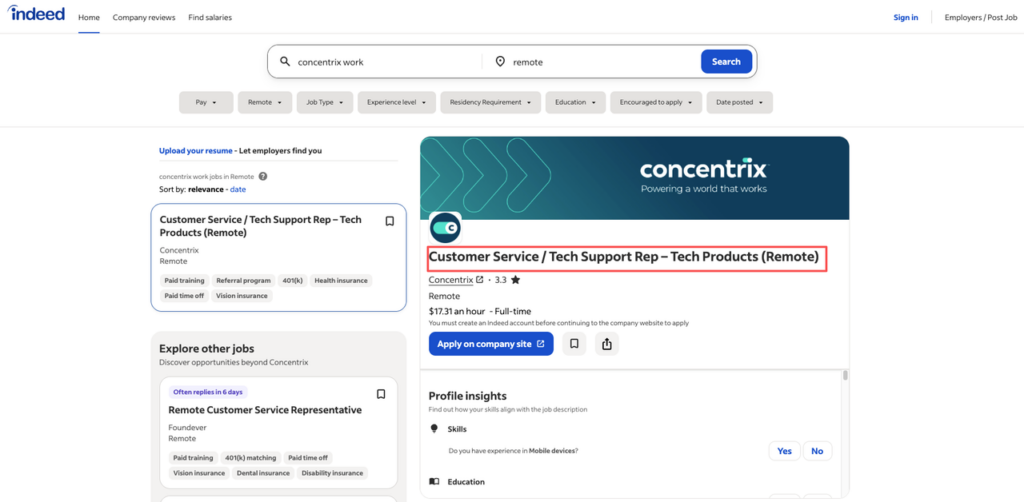
Most Concentrix remote customer support openings fall into service-heavy functions. Common examples include:
- Customer service representative
- Technical support agent
- Call center associate (Check this active call center remote vacancy to see typical requirements)
- Sales support or retention agent
- Client-facing service roles tied to specific brands
In plain English, these jobs often involve helping customers over phone, chat, email, or a mix of channels. Some roles lean more technical. Others are mostly about de-escalation, empathy, speed, and process follow-through.
Recruiters won’t tell you this, but many of these roles are measured tightly. Think handle time, customer satisfaction, schedule adherence, and conversion rate if sales is involved. So when I review resumes for these jobs, I tell clients to quantify the work. Don’t write “helped customers.” Write something like:
- Resolved 45 to 60 tickets per day
- Maintained 92% CSAT
- Reduced repeat contacts by 18%
- Hit 105% of upsell target for three quarters
That kind of data-backed language improves keyword match and gives the ATS something concrete to parse.
Why Concentrix often shows up in remote job searches
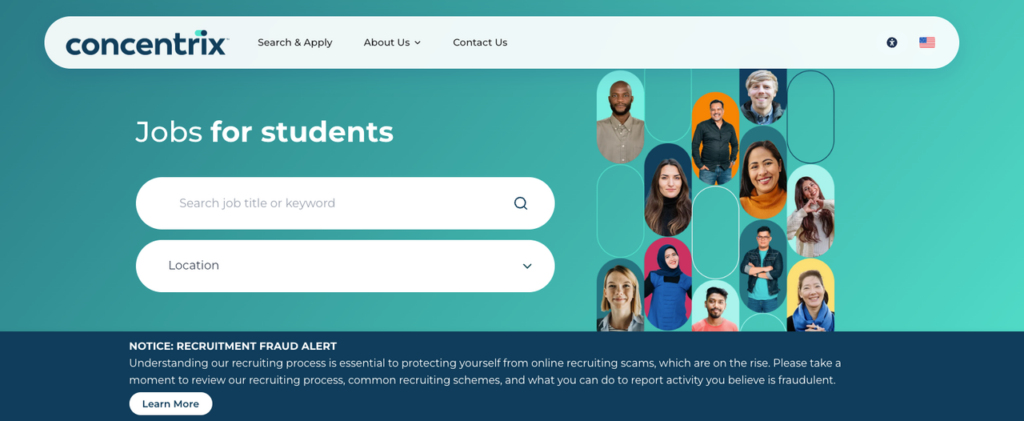
Concentrix shows up often because it’s a large global customer experience company with ongoing hiring volume. Companies at that scale tend to post many support openings, and remote delivery has become normal for parts of that business. According to the company’s official career site, Concentrix hires across customer engagement and support functions in multiple regions and work models, including remote in some markets (Concentrix Careers).
There’s another reason you keep seeing it. Large-volume employers are better at dominating search results. Job boards, search engines, and aggregators surface them again and again because there’s constant listing activity.
That visibility can create false hope. People assume high volume means easy entry. Not always. High volume often means standardized screening, high applicant competition, and stricter optimization needs. Stop guessing. Let’s look at the data: when a company has repeat hiring for similar jobs, their process is usually system-driven. That means ATS parsing, knockout questions, and fast recruiter filtering matter more than a clever resume design.
What Concentrix Hiring Usually Screens For
When I look at Concentrix remote hiring patterns, I see a simple mechanism: can this person communicate clearly, show up reliably, and perform the same service level every shift? That’s the core screen.
If your application only talks about ambition, passion, or broad interest, you may miss the mark. Support hiring is often less about potential and more about predictable execution.
Communication, schedule coverage, and service consistency
For many Concentrix customer service jobs, hiring teams want proof in three areas:
- Clear written and spoken communication
- Availability for required shifts, weekends, or time zones
- Consistent customer handling under pressure
That’s why applications often ask about schedule flexibility, home office setup, internet quality, and prior phone or support work. These are not side questions. They’re early filters.
If you’re applying, mirror this in your resume and application answers. Mention:
- Channels used: phone, chat, email, CRM
- Shift coverage: nights, weekends, rotating schedules
- Performance metrics: QA scores, first-contact resolution, attendance
- Tools: Zendesk, Salesforce, Five9, ServiceNow, or similar
And if you’re an international candidate, check location rules carefully. Some remote jobs are remote only within a specific state or country. A company may be global, but a listing can still have local payroll or work authorization limits. Don’t waste ten applications on roles that won’t consider your status.
Why high-volume support experience matters
Here’s the harsh truth: hiring managers often trust volume experience more than polished storytelling. If you’ve worked in a fast queue, handled angry customers, switched between systems, and kept your numbers stable, that signals lower risk.
That doesn’t mean you need call center experience only. Adjacent backgrounds can transfer well, including:
- Tech support
n- Help desk
- Operations support
- Hospitality service
- Retail escalations
- Community moderation
But you need to translate the experience into support language. For example, a PM who handled user complaints and triaged bugs can frame that as customer issue resolution, cross-functional coordination, and SLA awareness.
I’ve seen smart candidates fail this screen because they wrote for humans only, not for the algorithm. ATS systems don’t “infer” your fit well. They scan for alignment. So if the role asks for chat support, troubleshooting, customer empathy, and schedule flexibility, your resume should say those things plainly if they’re true.
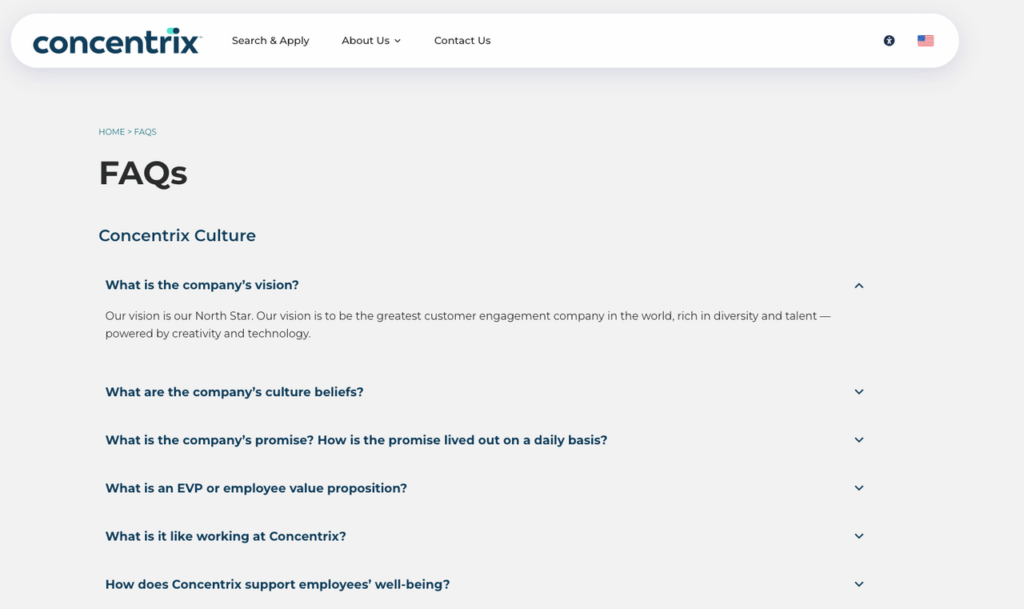
The official Concentrix applicant help page also notes process steps and candidate expectations can vary by role and region. Read the listing closely. Tiny details often signal the real day-to-day job.
What Role Quality Can Look Like at Concentrix
This is the part people skip. They see “remote” and stop asking better questions.
But remote does not automatically mean calm, flexible, or career-friendly. In support environments, role quality depends on workload design, team management, metrics pressure, and schedule control.
Shift structure, call load, and performance pressure
Many Concentrix work from home jobs are built around service-level demand. That can mean fixed shifts, queue-based work, limited downtime, and hard metrics. In some cases, that setup is fine. If you like clear targets and structure, it can even feel clean and manageable.
In other cases, it can feel like a treadmill.
Before you apply, try to get clarity on:
- Is the work mostly phone, chat, or mixed?
- What is the average call or ticket volume?
- Are schedules fixed or rotating?
- How is performance measured?
- Is time between contacts monitored tightly?
- What does training look like, and is it paid?
Sites like Glassdoor and Indeed company reviews can offer useful signal, though you should read them with caution. Individual reviews can skew emotional. I look for pattern, not drama. If many people mention strict adherence, heavy call load, or strong manager variance, that tells you more than one glowing or angry post.
Which applicants are more likely to fit this environment
Not everyone should chase Concentrix remote jobs. And that’s okay.
The better-fit applicants usually have a few traits in common:
- They like process and don’t need constant novelty
- They can stay calm with repetitive work
- They communicate clearly under stress
- They accept being measured on metrics
- They can protect their energy during customer-facing work
This kind of role can work well for someone who needs stable remote income, wants a fast re-entry into the workforce, or is building experience while planning a longer-term pivot.
It may be a weaker fit if you need deep autonomy, creative problem solving all day, or flexible work hours. It can also be frustrating for tech professionals who expect remote work to feel like async knowledge work. Support work is different. It’s more like being on a well-run train line than driving your own car.
That’s not an insult. It’s a different operating model.
If you’re trying to use one of these roles as a bridge, be honest with yourself about ROI. Will this help you cover bills while improving your resume? Will it give you measurable customer or operations metrics? Ana will it create space for a smarter next move? If yes, it may be worth it.
Where to Find Better-Fit Concentrix Listings
If you decide to apply, don’t just click the first listing with “remote” in the title. Better-fit searching is half the strategy.
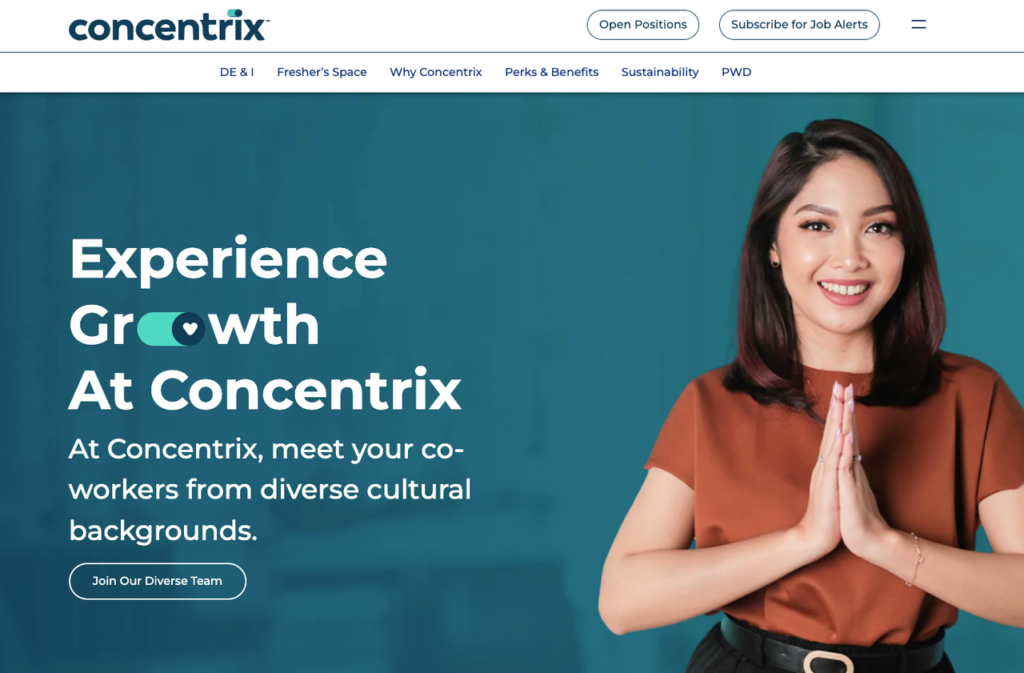
I usually tell clients to start with the official careers site first, then compare with trusted boards. That helps you avoid expired listings, duplicate posts, and misleading job titles. For current openings, start with Concentrix Careers and then cross-check on major boards like LinkedIn or Indeed.
For international applicants, go one step further: verify country, payroll, and sponsorship language. Most support listings do not imply visa support just because the company is global. If you need sponsorship, look for explicit language or prioritize employers with a documented history of sponsoring roles relevant to your background.
How to compare live listings before you apply
Use a fast comparison filter. I keep it simple:
- Channel mix: phone-heavy, chat-heavy, or blended
- Schedule rules: fixed, rotating, weekends, holidays
- Metrics: QA, handle time, CSAT, sales targets
- Pay clarity: listed range, bonus structure, training pay
- Location limits: state, country, tax zone, work authorization
- Skill alignment: exact keyword match with your experience
Then tailor your resume to the listing, not to the company in general. That is where many people lose conversion rate.
If a listing stresses troubleshooting, de-escalation, and CRM documentation, those terms should appear in your resume if they reflect your real work. If another listing leans on retention, sales, and upselling, adjust for that one instead.
Recruiters won’t tell you this, but broad resumes often perform worse in high-volume hiring. Specific resumes win because the parsing mechanism can score them faster.
And please, don’t spray 50 applications with the same document and call it a strategy. That’s just organized disappointment.
Final Take
If you’re looking at Concentrix jobs remote, the main question is not “Is this company remote-friendly?” The better question is “Does this exact listing match how I work, what I can tolerate, and what I need next?”
Who Concentrix remote jobs suit best
These roles often suit people who want structured remote work, can handle customer contact, and don’t mind performance metrics. They can also work as a bridge role if you need income, recent experience, or a cleaner work history while you aim for something else.
If you’re a tech professional burned out by the application black hole, I understand why these jobs look appealing. There’s nothing wrong with taking a practical role. Just don’t confuse accessible with effortless.
What to check before you apply
Before you hit submit, check five things:
- Does the job match your schedule reality?
- Can you handle the likely call load or queue pressure?
- Does your resume show keyword match and measurable results?
- Are location and work authorization rules clear?
- Is this role part of a larger strategy, or are you applying from panic?
Stop guessing. Let’s look at the data. The strongest applications show alignment, quantified impact, and honest fit. If you can offer that, some Concentrix remote customer support roles may be worth your time.
We’ve broken down exactly what Concentrix hiring managers look for in remote support candidates. Now it’s time to put that strategy into practice. Start using Jobright.ai to match your background with the right listings and build a resume that speaks their language.
If you’re like me, you don’t need hype. You need a clear read. So here it is: apply if you want structured remote support work and you can live with metrics pressure. Skip it if you expect loose schedules, low monitoring, or a career miracle from the company name alone.
Frequently Asked Questions About Concentrix Remote Jobs
What kinds of Concentrix remote jobs are most commonly available?
Most Concentrix remote jobs are in customer operations, including customer service representative, technical support agent, call center associate, sales support, and retention roles. Many involve phone, chat, or email support, so applicants usually need strong communication, service skills, and comfort working in metric-driven environments.
What does Concentrix usually look for when hiring for remote customer support roles?
Concentrix remote hiring often screens for clear communication, schedule flexibility, reliable attendance, and the ability to handle customers consistently under pressure. Applications may also focus on home office setup, internet quality, support tools used, and measurable results like CSAT, QA scores, or first-contact resolution.
How can I improve my chances of getting Concentrix work from home jobs?
To improve your chances, tailor your resume to each listing instead of sending one generic version. Use exact role keywords, mention channels like phone or chat, list tools such as Salesforce or Zendesk, and quantify performance with metrics like ticket volume, CSAT, attendance, or upsell results.
Are Concentrix remote jobs actually flexible and low stress?
Not always. Many Concentrix work from home jobs follow fixed shifts, strict adherence standards, and high customer volume. Remote work can still feel structured and heavily monitored, especially in support roles. These jobs may suit people who prefer routine, but they are not automatically flexible or low pressure.
Where should I apply for Concentrix remote jobs?
The best place to start is the official Concentrix Careers site, then compare listings on trusted boards like LinkedIn or Indeed. This helps you avoid expired or duplicate postings and confirm details like location limits, pay transparency, training information, and work authorization requirements before applying.
Recommended Reads