
Aetna Remote Jobs: What to Know Before You Apply
Table of Contents
I’ve seen it happen to hundreds of job seekers. You spot a batch of Aetna remote jobs, spend hours tweaking your resume, fire off ten applications, and then… crickets. That silence feels incredibly frustrating, and honestly, a bit personal. But here’s the reality: it’s rarely about you. Most of the time, it’s a mix of ATS rejection, weak keyword matching, and applying for roles that were never a clean fit to begin with. If you are tired of your applications falling into the void, let’s talk about how to stop guessing and start applying strategically.
What Types of Remote Jobs Aetna Usually Offers
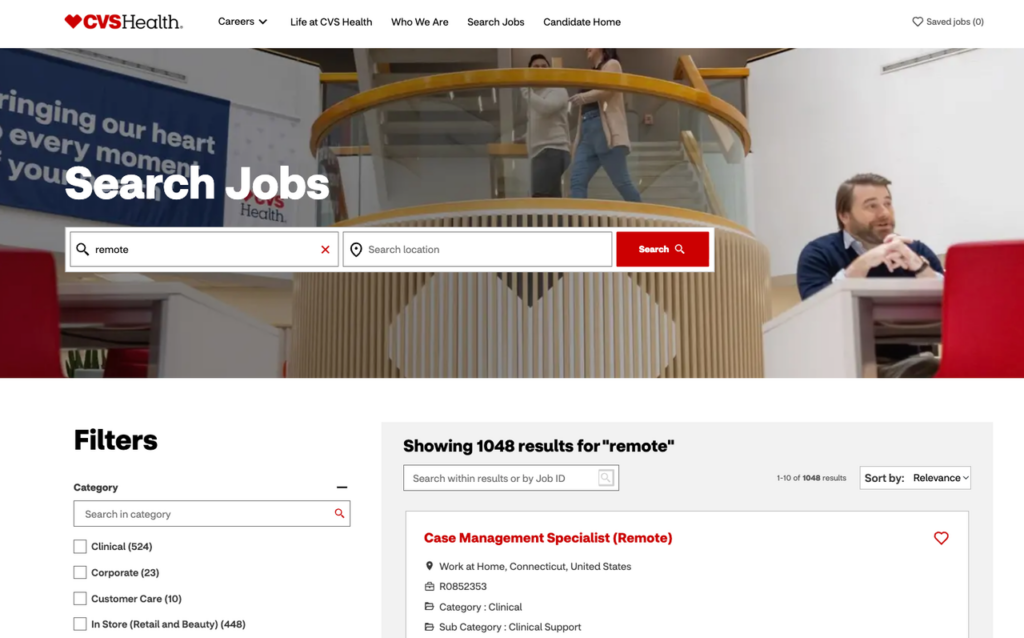
When people search for Aetna remote careers, they often expect one bucket: customer service from home. That’s too narrow. In practice, Aetna and its parent company CVS Health often post remote openings across support, care, claims, operations, and clinical-adjacent teams. You can confirm current categories on the official CVS Health careers site.
Member support, care coordination, and operations roles
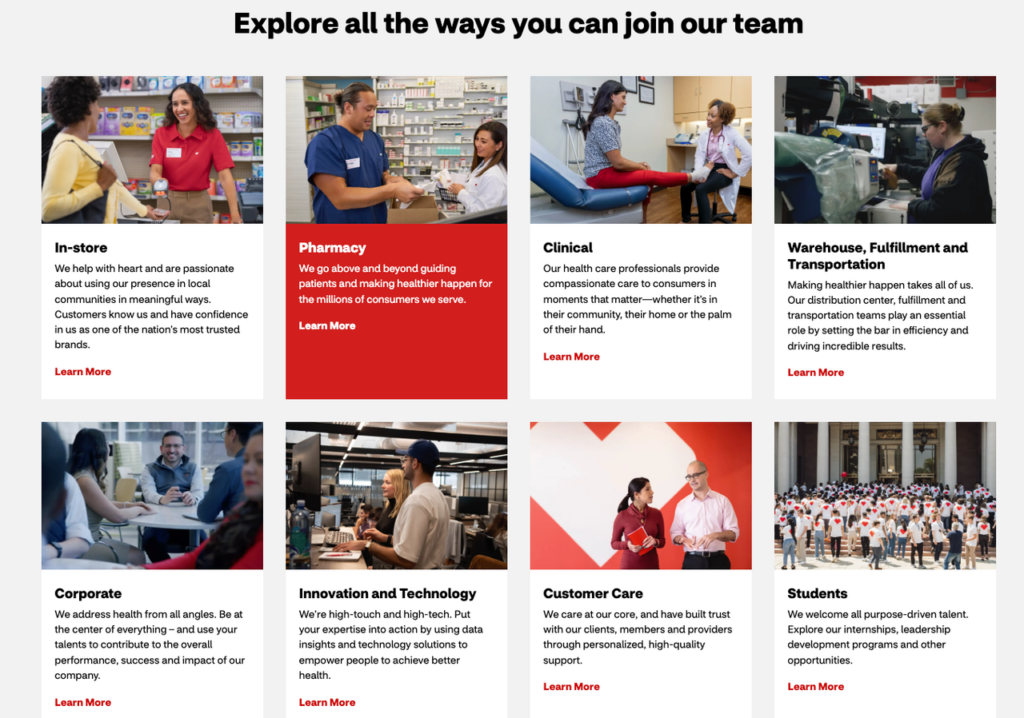
The most common remote paths I see include member support, case coordination, claims-related work, prior authorization support, and back-office operations. Some postings lean heavily on phone work. Others are more documentation-heavy, with systems navigation, queue management, and process accuracy driving performance metrics.
If you’re looking for Aetna customer service remote jobs, read past the title. One role may focus on inbound member questions about benefits and billing. Another may center on issue resolution across multiple internal systems. Same broad family, different workload.
Why insurance and healthcare support paths often overlap
Recruiters won’t tell you this, but insurance support and healthcare support often blend together. A member calling about a claim may also need help understanding care options, referrals, or plan rules. That means these jobs can sit between customer service, healthcare administration, and operations.
This overlap matters for resume optimization. If you’ve worked in SaaS support, health-tech ops, patient scheduling, or trust-and-safety style process work, parts of your background may transfer better than you think. The key is to quantify the overlap: call volume, case resolution rate, documentation accuracy, SLA performance, or quality scores. Data-backed bullets help the ATS algorithm and help a recruiter see the value prop fast.
What Aetna Hiring Usually Screens For
Most remote healthcare employers screen for reliability before flair. In other words, they want proof that you can follow process, document cleanly, and communicate without creating risk.
Communication, documentation, and process accuracy
For many Aetna healthcare remote jobs, the hiring screen is built around three things: clear communication, accurate documentation, and comfort with structured workflows. That’s because healthcare and insurance teams work in regulated environments. A small mistake in notes, claims handling, or member communication can create real downstream problems.
So if your resume only says you were a “team player” or “helped customers,” it’s too vague. Show mechanism and metrics instead. Mention CRM use, case notes, escalation handling, QA scores, or compliance-driven tasks. If you improved process accuracy or reduced repeat contacts, quantify it.
Why benefits, claims, or member-facing experience can help
Experience with benefits, claims, enrollment, authorizations, or high-volume support can make your application stronger because it lowers training risk. Even adjacent experience helps if you frame it right.
For example, a data analyst who supported health plan reporting may not have direct member calls on their resume, but they can still show alignment through claims data exposure, documentation discipline, and cross-functional support. A PM from health-tech might highlight process mapping and stakeholder communication. The point is not to stretch the truth. It’s to translate your experience into the hiring language the ATS can parse.
What Makes One Aetna Listing Better Than Another
Not every remote listing is worth your application. Some are clear and realistic. Others are vague enough to waste two weeks of your time.
Role scope, workload clarity, and licensing expectations
A stronger listing usually explains the scope of work, team function, schedule, and core metrics—something you can easily spot in a well-structured live remote job posting. It should tell you whether success is measured by call handle time, case closure speed, documentation quality, or member satisfaction. If the posting is fuzzy about workload, that’s a yellow flag.
Also check licensing. Some roles need an active RN, LPN, social work, or state insurance license. Others only prefer it. That one line changes your odds a lot. If you don’t meet a required license, don’t apply just because the title sounds close. Tough love, but true.
How to judge whether a role is truly remote
I always tell clients to inspect the fine print. “Remote” can still mean limited states, required travel, or hybrid training. Some Aetna jobs remote are home-based only in certain regions due to licensing, payroll, or equipment rules.
Look for clues in the post: state restrictions, training location, work hours by time zone, and any phrase like “must reside within commuting distance.” You can also review remote-work language and policies on the employer’s official career pages rather than relying on reposted boards. That extra two minutes can save you from applying to a role you can’t legally or logistically take.
Where to Find Better-Fit Aetna Listings
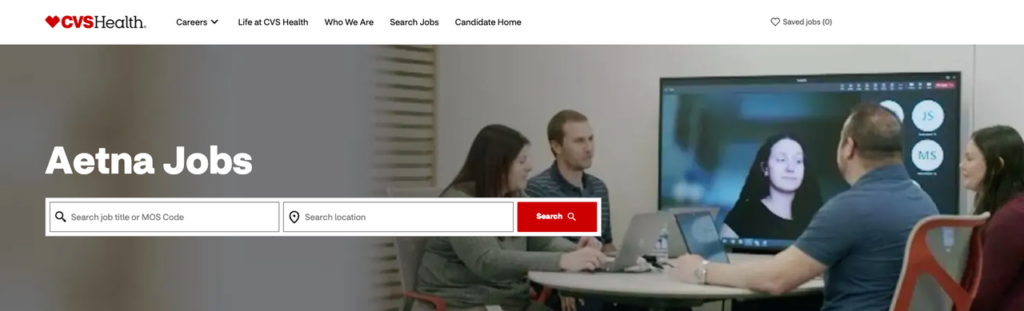
If you want better-fit roles, start with the source. I’d check the official Aetna through CVS Health job search first, then compare with LinkedIn or Indeed only to catch timing differences. Third-party boards can be useful, but they often strip context that affects keyword match and decision-making.
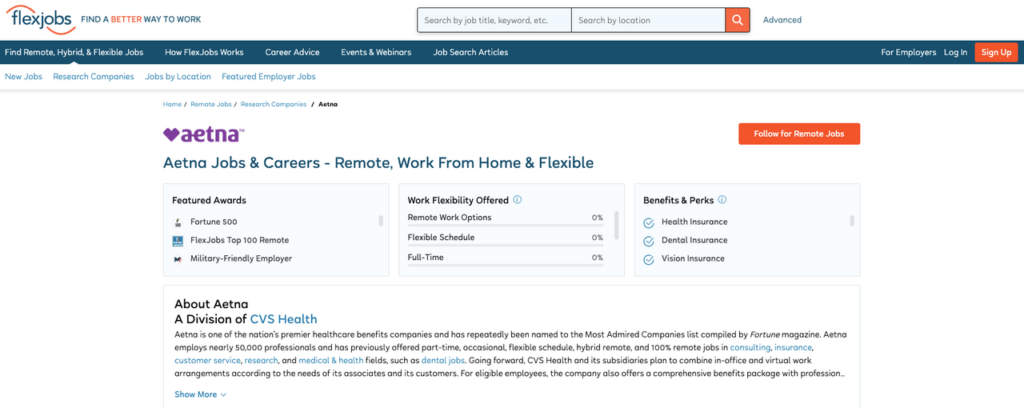
What to compare in live job posts before you apply
Before I apply or advise someone to apply, I compare five things:
- Title vs actual duties: Does “customer service” mean phones all day, or mixed case work?
- Required keywords: Benefits, claims, care management, documentation, bilingual support, licensing.
- Location limits: Fully remote, remote in select states, or remote after training.
- Shift and workload: Weekend work, queue targets, seasonal spikes, overtime risk.
- Must-have tools or background: Call center systems, healthcare platforms, process-heavy work.
This is where your strategy should tighten up. Don’t mass-apply. Build a short list of roles where your background has obvious alignment, then tailor your resume for keyword match and parsing. If you need visa sponsorship, check for any employment eligibility language early. Many large employers are clear about sponsorship boundaries, and it’s better to know upfront than guess later.
Final Take
Who Aetna remote jobs suit best
In my view, Aetna work from home jobs fit people who are calm under structure. If you like clear workflows, service-focused work, documentation, and process accuracy, these roles can be a solid match. They’re often less about creative freedom and more about consistency, compliance, and helping people solve practical problems.
What to do before you apply
Here’s the harsh truth: sending the same resume to every listing won’t work. Before you apply, pull the exact keywords from the posting, match your experience honestly, and quantify your impact. If the role is member-facing, show communication metrics. If it’s operations-heavy, show accuracy and throughput. And if a license or state requirement is mandatory, take that seriously.
Recruiters won’t tell you this, but small edits can change your conversion rate more than sending 30 extra applications. So slow down, pick the right roles, and make your value prop obvious. That’s how you give yourself a real shot with Aetna remote jobs instead of disappearing into the application black hole.
Finding the right fit among 8 million listings shouldn’t be a full-time job. We invite you to explore our AI-driven matching system to see which Aetna or CVS Health openings align with your background today. Try Jobright.ai for free and see how much time you can save on your next application.
Frequently Asked Questions About Aetna Remote Jobs
What types of Aetna remote jobs are usually available?
Aetna remote jobs often go beyond basic customer service. Common openings include member support, care coordination, claims work, prior authorization support, operations, and clinical-adjacent roles. Many listings are posted through CVS Health, and each role can differ in workload, systems use, and licensing requirements.
How can I improve my chances of getting hired for Aetna work from home jobs?
Focus on fit instead of mass-applying. Tailor your resume to the exact posting, use relevant keywords, and show measurable results like QA scores, case resolution, documentation accuracy, or call volume. For Aetna work from home jobs, strong ATS alignment and honest keyword matching usually matter more than sending more applications.
Why do applicants get rejected for Aetna remote jobs even after applying to many listings?
Most rejections are not personal. Common reasons include poor ATS keyword match, applying to roles that require licenses or state residency, and using a generic resume. Aetna remote jobs can look similar, but differences in duties, schedule, and eligibility often determine whether your application moves forward.
How do I know if an Aetna remote job is truly remote?
Read the full job post carefully and check the official CVS Health careers site. Some roles marked remote may still have state restrictions, hybrid training, required travel, or time-zone limits. Look for residency language, training details, and any commuting-distance requirement before you spend time applying.
Do Aetna customer service remote jobs always require healthcare experience?
Not always. Direct experience in benefits, claims, enrollment, or member support can help, but adjacent backgrounds may also transfer well. Experience in call centers, patient scheduling, health-tech operations, SaaS support, or process-heavy documentation roles can be relevant if you clearly connect your skills to the job requirements.
Recommended Reads