
Product Manager Remote Jobs: Scope, Skills & Best Fits
Table of Contents
Scrolling through endless “product manager remote jobs” can feel like throwing your meticulously crafted resume into a black hole. You apply, you wait, and you hear absolutely nothing. Sound familiar? I’m Dora, and in my daily work analyzing hiring data and matching candidates, I see this exact frustration constantly. Candidates apply based on the shiny title, only to realize later the role is actually a glorified project coordinator position. The harsh reality is that remote product manager jobs suffer from terrible, vague labeling. Recruiters won’t admit it, but you’re probably wasting hours on the wrong listings. In this guide, I’ll show you how to decode what these companies actually want—cutting through the ATS keyword fluff to find the work from home product manager jobs that actually match your skills.
What Counts as a Product Manager Remote Job?
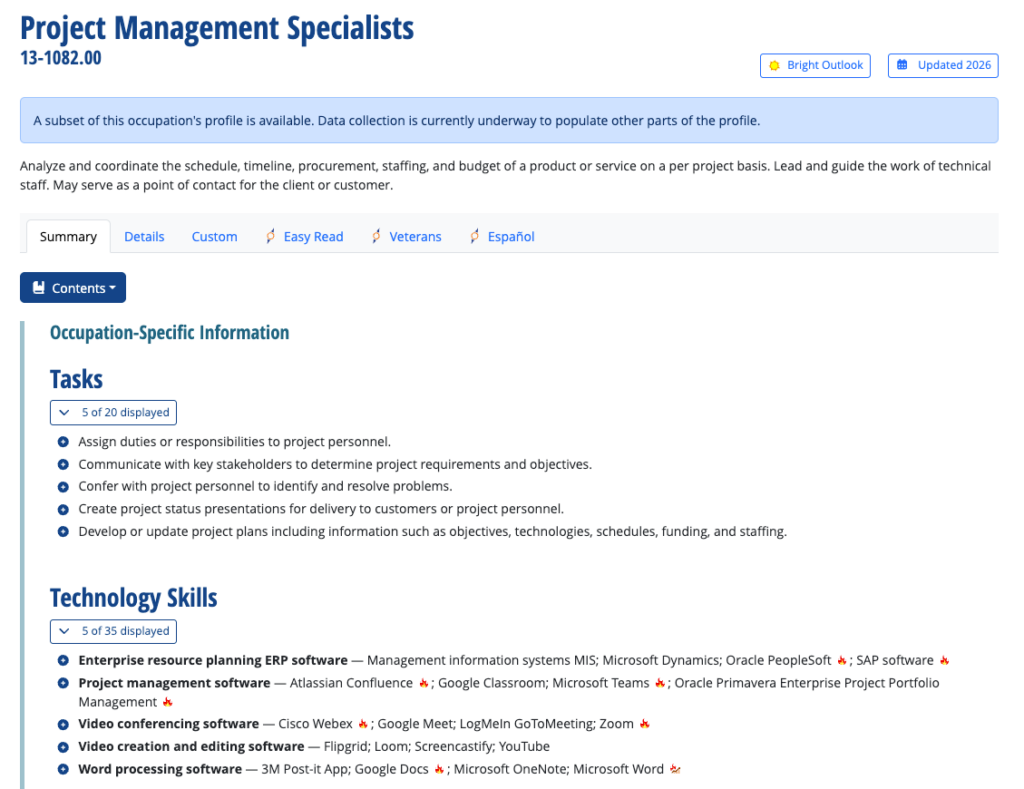
When I audit listings with clients, I start with one basic question: what work will you own each week? That matters more than the job title. A true product manager remote job usually includes customer problem discovery, prioritization, roadmap input, and cross-team alignment. If those pieces are missing, the role may sit closer to program or project work.
Remote work adds another layer. Teams rely more on written communication, async updates, and clean decision logs. So a company may call something a PM role, but the actual job may be keeping Jira moving and meetings on track.
Product ownership vs coordination-heavy PM roles
Understanding the difference between these roles starts with knowing how product manager, product owner, and project manager responsibilities actually diverge in practice. Product ownership roles usually ask you to define problems, weigh tradeoffs, and make calls with incomplete data. You’ll often see signals like product strategy, experimentation, customer insights, KPI ownership, or outcome metrics. That points to real product judgment.
Coordination-heavy roles lean more on execution flow. The listing may focus on sprint rituals, stakeholder updates, release timelines, and dependency tracking. None of that is unimportant. But if the role has little mention of user research, prioritization logic, or business impact, the PM title may be doing some heavy lifting.
Why remote PM titles can hide very different expectations
Remote titles are messy because companies hire for gaps, not clean frameworks. A startup may post “Product Manager” and need a builder who writes specs in the morning and does support analysis at night. A larger company may post the same title for a narrower lane inside an established product org.
That’s why I tell candidates to read for mechanism. Look for ATS-friendly keywords like roadmap, backlog, OKRs, experiments, stakeholder alignment, and metrics. Those words help with keyword match in applications, but they also reveal the operating model behind the role.
The Main Types of Product Manager Remote Jobs
Most types of product managers and their distinct roles fall into a few patterns. Once you can spot them, your application strategy gets sharper and your conversion rate usually improves.
Feature and roadmap-focused roles
These are the classic remote product manager jobs people imagine. You’ll own part of a product area, shape priorities, write requirements, and partner with design and engineering. The core question is often: what should we build next, and why?
In these roles, employers want evidence that you can quantify impact. Did a feature lift activation by 12%? Did onboarding changes cut drop-off? Data-backed wins matter because remote teams need trust, and trust often starts with clear proof.
Cross-functional execution and delivery-heavy roles
These roles sit closer to execution. You may still be in product, but your day leans toward delivery, coordination, and team alignment across engineering, design, legal, operations, or GTM teams. I see this a lot in fintech, health tech, and enterprise software, where process risk is higher.
Work from home product manager jobs in this bucket can suit people with strong structure and communication skills. But don’t confuse them with deep product ownership if your long-term goal is strategy-heavy PM work. Alignment is the point. If the role mostly measures success by shipped timelines, you should know that before applying.
What Employers Usually Look For
Across remote PM jobs, three things come up again and again: judgment, communication, and proof. Fancy titles don’t carry as much weight as candidates hope. Research on the myths and realities of being a product manager consistently shows that candidates overestimate how much a title alone moves the needle with hiring teams.
Prioritization, communication, and product judgment
A remote PM has to make decisions without constant hallway chats. That means employers look for people who can prioritize clearly, explain tradeoffs, and keep teams aligned in writing. McKinsey research on what separates top product managers from the rest points to exactly this: the ability to synthesize ambiguous inputs and communicate decisions with clarity.
In my consulting work, I often see candidates undersell this. They list meetings they attended, not decisions they drove. Here’s the harsh truth: “worked cross-functionally” says almost nothing. Say what you decided, what data you used, and what changed after. That is stronger for ATS parsing and stronger for humans too.
Why evidence of shipping matters more than title alone
Recruiters won’t tell you this, but “Product Manager” on your resume is not the value prop by itself. Employers want evidence that you shipped something useful. That can mean a launch, an improvement, a pricing test, a workflow fix, or a user-facing change that moved a metric.
If you’re aiming at product manager virtual roles and don’t have a formal PM title, don’t panic. Show the mechanism: problem, action, outcome, ROI. A software engineer who led discovery and launch work may have a stronger case than a PM who only coordinated status updates. Grounding your resume in the core product manager skills employers actually prioritize will sharpen how you frame every bullet point.
Stop applying based on shiny titles alone. Our AI at Jobright.ai analyzes your experience—the decisions you drove and the products you shipped—to recommend remote PM roles where you’ll actually thrive. Explore your personalized matches on Jobright.ai.
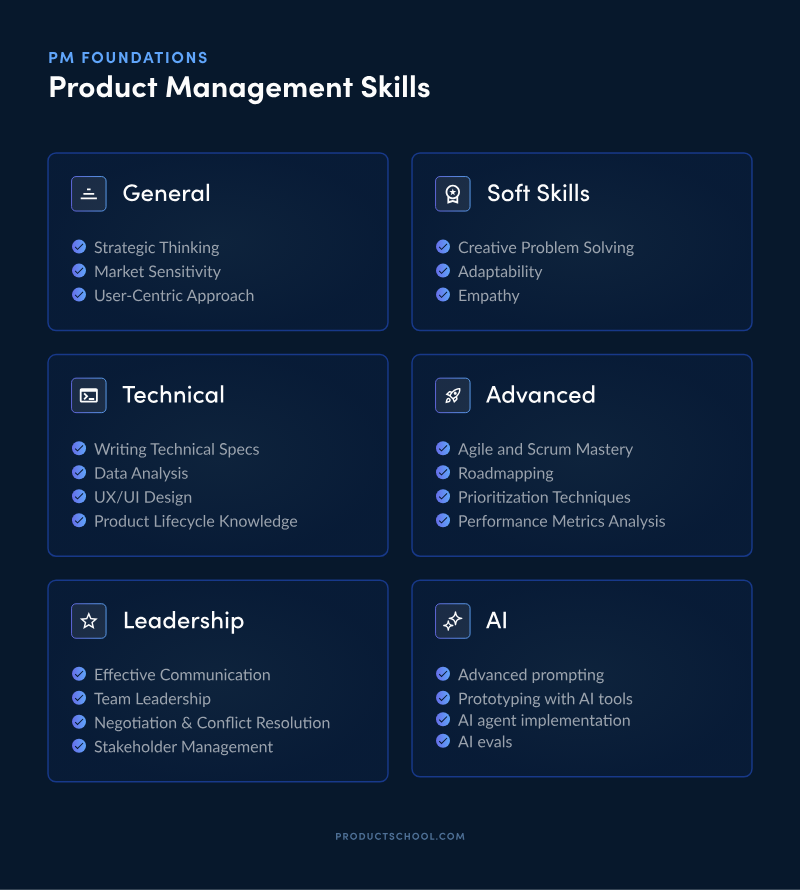
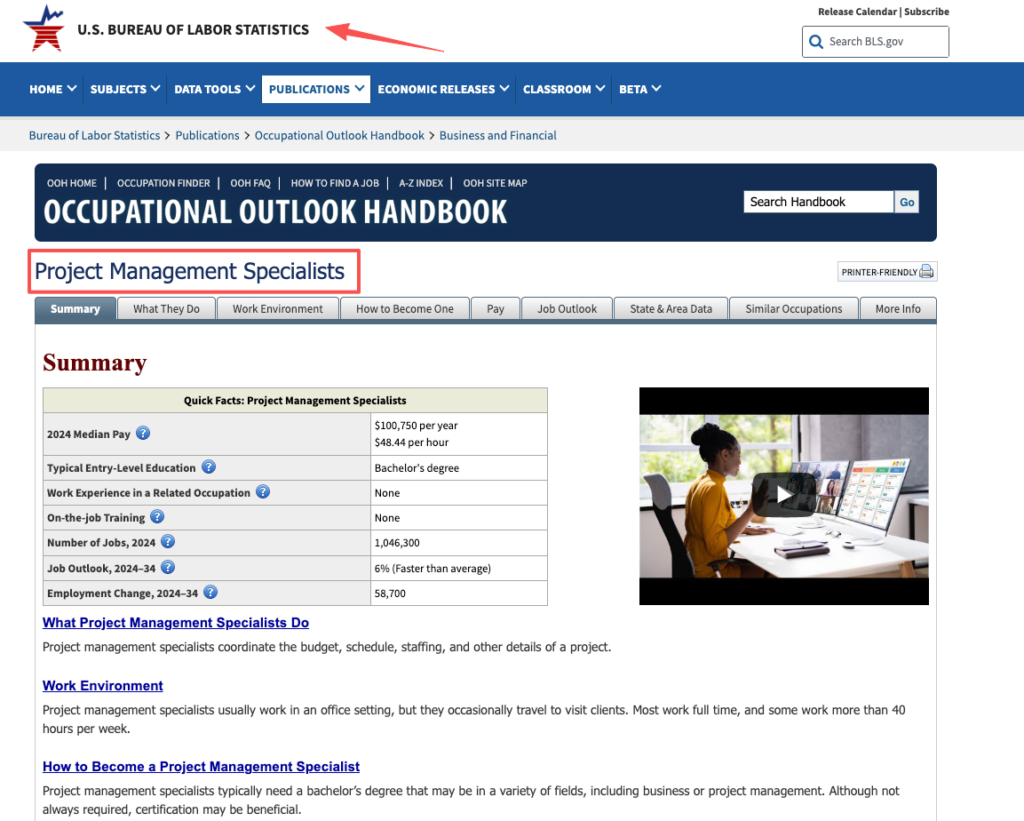
For market context, the U.S. Bureau of Labor Statistics outlook for project management specialists is useful for benchmarking salary ranges and demand trends, and O*NET’s product manager role breakdown helps you compare role expectations and skill language across listings.
Where to Find Better-Fit Product Manager Listings
The best search strategy is not “apply to more.” It’s “filter harder.” That’s how you reduce wasted applications and improve response rates.
I usually tell people to compare listings across three lenses: scope, team, and seniority. Scope means what part of the product you own. Team means who you work with and how the org is set up. Seniority means decision rights, not just years required.
How to compare live roles by scope, team, and seniority
Start with the posting itself. For instance, looking at this live remote technical program manager role can help you immediately spot how the language leans heavily on timelines, budgets, risk management, and stakeholder updates — classic signals of a coordination-heavy remote PM job. If a listing mentions customer discovery, KPI ownership, experimentation, and roadmap tradeoffs, it likely sits closer to core product management. If it focuses on timelines, standups, dependencies, and delivery tracking, it may be better labeled execution-heavy.
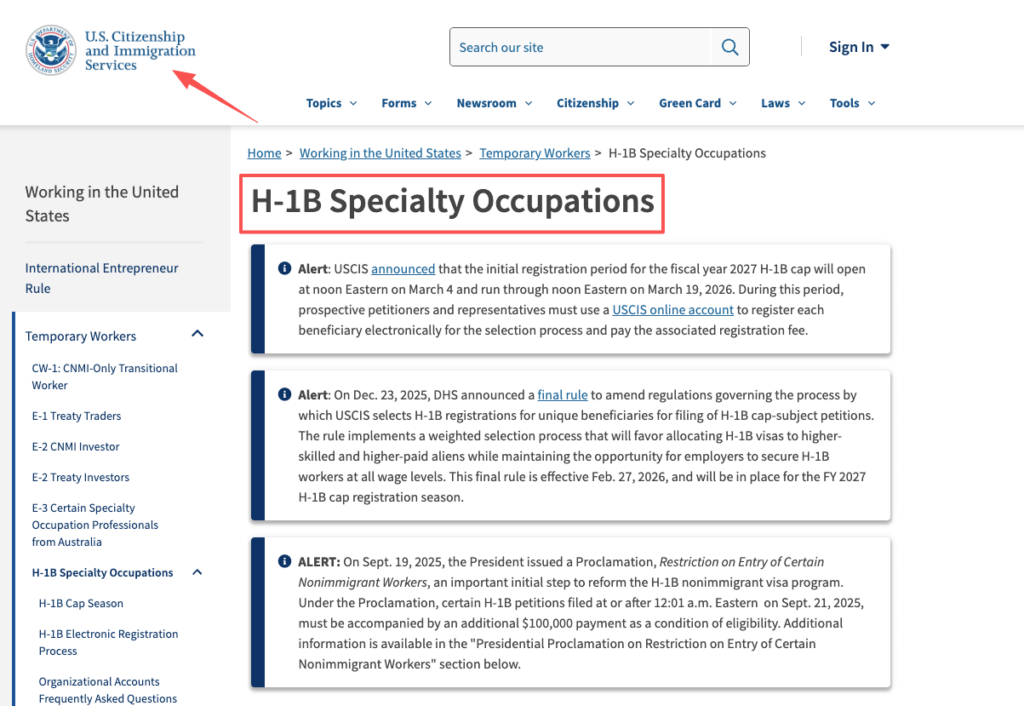
Then check the company’s careers page, product blog, and leadership team. If you need visa sponsorship, look for signals early. The USCIS H-1B specialty occupation requirements give the official program basics, and tools that track historical sponsor activity can help you shortlist realistic employers. For remote product manager jobs, this step saves time fast.
And one more thing: use the job description language in your resume where it honestly fits. ATS algorithm screening depends on keyword match and parsing. If the listing says prioritization, experimentation, and stakeholder alignment, and you’ve done those things, say them plainly.
Final Take
Remote PM work can be a strong fit, but only if you’re clear on what kind of PM work you want.
Who product manager remote jobs suit best
These roles suit people who can think clearly without constant supervision, write well, and make tradeoffs in public. If you like turning messy input into decisions, remote PM work can be a strong lane. If you only want the title, the role will feel rough fast.
What to check before you apply
Before you send anything, check four things: what outcomes you own, how success is measured, who makes final product calls, and whether the company supports your work status if you need sponsorship. Stop guessing. Let’s look at the data.
If you’re like the candidates I work with, you don’t need more applications. You need tighter alignment. That’s how remote product manager jobs turn from noise into actual opportunity.
Frequently Asked Questions About Product Manager Remote Jobs
What counts as a true product manager remote job?
A true product manager remote job usually includes customer problem discovery, prioritization, roadmap input, and cross-functional alignment. If a listing mostly emphasizes sprint tracking, status updates, and delivery coordination, it may be closer to project or program management than real product ownership.
How can I tell if product manager remote jobs are strategy-focused or coordination-heavy?
Read for operating signals, not just the title. Strategy-focused roles mention product strategy, experiments, customer insights, KPIs, and roadmap tradeoffs. Coordination-heavy roles usually stress timelines, standups, dependencies, and release tracking. Those clues reveal whether the job emphasizes product judgment or execution support.
What do employers look for most in remote product manager jobs?
Employers usually prioritize judgment, written communication, and proof of impact. In remote product manager jobs, companies want candidates who can explain tradeoffs, make decisions with incomplete information, and show measurable results, such as launches, workflow improvements, or feature changes that moved a key metric.
How should I tailor my resume for product manager remote jobs?
Use the job description language where it honestly matches your experience. For product manager remote jobs, highlight prioritization, experimentation, stakeholder alignment, roadmap work, and measurable outcomes. Focus less on meetings attended and more on decisions made, actions taken, and business results achieved.
Can I get a remote product manager job without having the formal PM title?
Yes. Employers often care more about what you shipped than the title on your resume. If you led discovery, defined requirements, prioritized work, or launched improvements with measurable outcomes, you may already have relevant PM experience for a remote product manager role.
Recommended Reads