
Capital One Remote Jobs: Roles, Hiring & Career Fit
Table of Contents
I see the same frustrating cycle every single week. You type “Capital One remote jobs” into a search bar, get hit with a mountain of listings, and start firing off resumes into the void. Weeks go by, and you hear absolutely nothing. My name is Dora, and I can tell you exactly why that happens: you’re treating all Capital One work from home jobs as if they belong to the same career track. They don’t. Whether you’re a data analyst, an engineer, or hoping for a flexible tech role, blind applying is feeding the ATS black hole and costing you interviews. Stop guessing. Let’s break down what these remote roles actually entail, which job families hire the most, and how to target the exact team that needs your specific skills.
Tired of sending generic resumes into the ATS black hole? We built Jobright.ai to help you stop guessing and start aligning. Let our AI tailor your resume for that specific role and see if your interview rate improves. Try Jobright.ai today.
What Counts as Capital One Remote Job?
When people search for Capital One remote careers, they often mean wildly different jobs. One person wants a customer support role from home. Another wants a data or product role with hybrid flexibility. Another is looking for Capital One finance remote jobs and hopes that means analysis, strategy, or risk work.
That mix matters because remote doesn’t always mean the same thing. Some listings are fully work from home, some are remote only in certain states, and some are posted in a way that sounds flexible, but the team still expects travel or office time. Recruiters won’t tell you this, but the job title alone rarely gives you the full picture.
Customer-facing, operations, analytics, and business roles
In practice, Capital One jobs remote usually fall into a few broad buckets:
- customer-facing service roles
- operations and back-office support roles
- analytics, risk, and business roles
- select corporate functions like HR, compliance, or marketing
If you’re in tech, this is where you need to slow down. A listing with “analyst” in the title could mean business reporting, fraud operations, strategy support, or deep data work. Those are different careers with different metrics, different ATS keyword match needs, and different interview loops.
I’ve seen candidates hurt their conversion rate by treating all analyst jobs as one lane. They’ll send the same resume to a fraud operations analyst role and a product analytics role. The parsing system may read both, but the alignment is weak. One job may want queue management, service metrics, and regulatory process work. The other may want SQL, experimentation, dashboards, and stakeholder influence.
Why financial brand searches can hide very different career tracks
Big financial brands create search confusion. The company name is strong, so people search by brand first and role second. That feels efficient, but it often hides the actual career track.
For example, someone may search Capital One remote jobs hoping for a product or data path, then end up applying mostly to service-heavy work from home positions. Or they may search Capital One work from home jobs and miss business roles because they filtered too narrowly.
Think of it like walking into a huge airport and only reading the airline name, not the gate. You’re in the building, sure. But you may still be headed to the wrong destination.
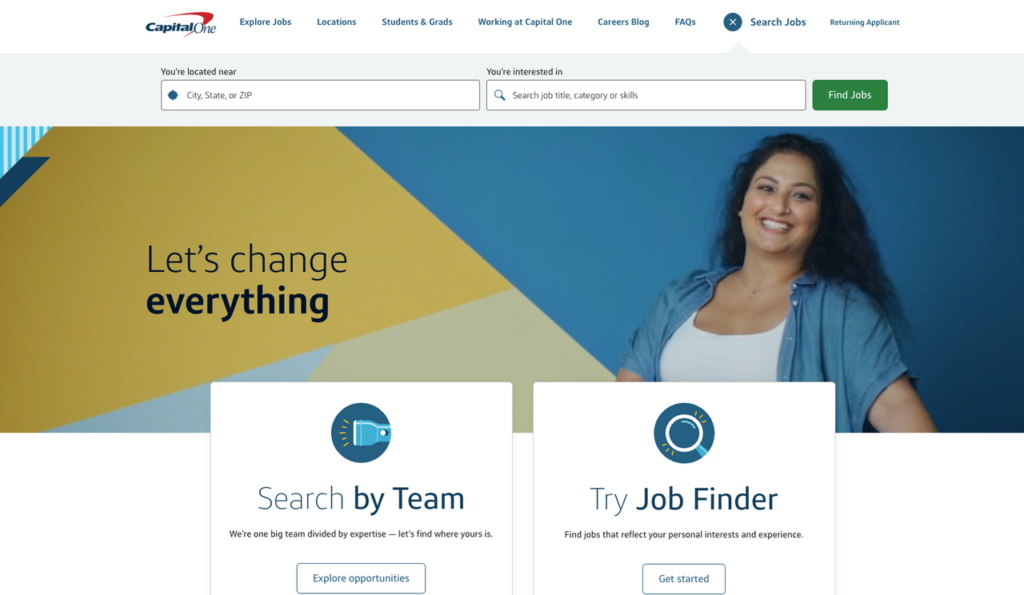
My advice: define the function first. Decide whether you want service, operations, data, product-adjacent business work, finance, or corporate support. Then search within the Capital One career site using function-level keywords, not just the company name. That one shift improves focus fast.
The Main Types of Capital One Remote Jobs
When I review large-brand career pages, I look for repeat patterns. With Capital One remote jobs, the biggest pattern is simple: remote openings are often heavier in service and operations than many applicants expect.
Service and operations-heavy roles
This is usually the largest and most visible group in Capital One work from homejobs searches. These roles may include customer support, fraud support, account servicing, collections-related operations, or process-based work tied to call, case, or workflow handling.
That doesn’t mean the jobs are low-skill. It means the value prop is different. Hiring teams often care about:
- handling customer issues clearly
- meeting service metrics
- following process under pressure
- documenting work accurately
- managing compliance-sensitive tasks
If your background is in support ops, trust and safety, fraud review, or high-volume service systems, these roles may fit well. If your background is software engineering or product management, don’t force a match just because the company name is attractive.
Here’s the harsh truth: brand interest is not a strategy. Fit is.
Business, data, and specialized corporate paths
There are also business-facing paths, and this is where many tech-adjacent candidates should look more carefully. Depending on hiring cycles, you may see openings related to business analysis, risk, finance, strategy, process improvement, data, or specialized corporate work.
These roles often ask for stronger analytical judgment and clearer business ownership. In many cases, they want candidates who can quantify impact, explain tradeoffs, and show ROI from past projects. That means your resume should not say you “helped with reporting.” It should say something like:
- built dashboard logic that reduced manual review time by 22%
- improved conversion rate on internal workflow adoption by 14%
- cut ticket aging by 30% through process redesign
That is data-backed storytelling. And yes, ATS optimization matters here too. The algorithm may scan for domain terms like risk, fraud, operations, finance, SQL, stakeholder communication, process improvement, or compliance, depending on the role.
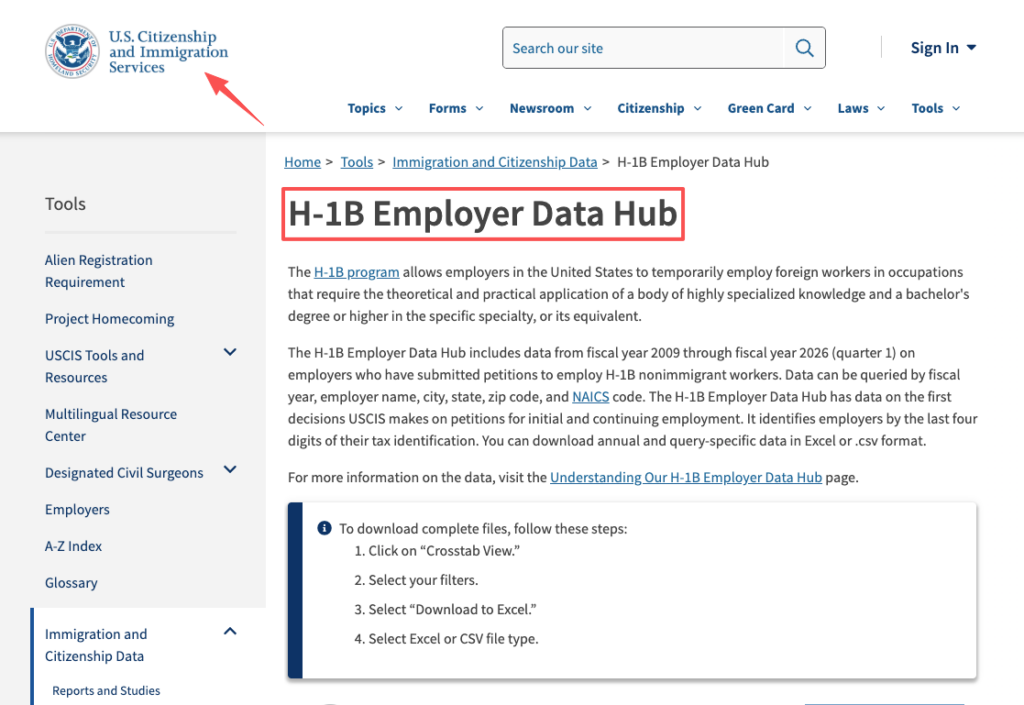
If you’re an international candidate, this is also where you need extra discipline. Not every remote role will align with sponsorship needs or location rules. Use the official career page and job description details first. For general visa trend research, I also tell clients to cross-check public employer records through the H-1B Employer Data Hub and broader labor data from the U.S. Bureau of Labor Statistics. They won’t answer every question, but they help you stop guessing.
What Capital One Hiring Usually Looks For
Across job families, I see a few hiring signals show up again and again. Whether the role is service-heavy or more analytical, employers like Capital One tend to screen for practical execution, not just interest.
Problem-solving, ownership, and communication
Recruiters won’t tell you this, but a lot of candidates sound passive. Their resume says they “supported,” “assisted,” and “participated.” That language kills momentum.
For Capital One remote careers, stronger applicants usually show three things:
- Problem-solving, they can explain what issue existed and what changed because of their work.
- Ownership, they drove a process, metric, project, or customer outcome.
- Communication, they can work across teams and explain decisions clearly.
If I were tailoring a resume for one of these roles, I’d focus on outcome language. Use numbers where you can. Quantify call volume, error reduction, forecast accuracy, time saved, customer satisfaction, risk reduction, or process speed.
That helps both humans and ATS parsing. The system looks for keyword match. The recruiter looks for credibility. You need both.
Why role-specific experience matters more than brand interest alone
This is the part many applicants resist. They think liking the company, using the product, or wanting to break into finance should count for more than it does.
It usually doesn’t.
If the role is operations-heavy, direct operations experience often beats general enthusiasm, if the role is analytical, evidence of analysis beats generic curiosity, and if the role is customer-facing, communication under pressure beats a polished summary paragraph.
I tell clients to treat every application like a product pitch. Your resume is the landing page. The job description tells you the audience. Your job is alignment.
So ask:
- What exact business problem is this role meant to handle?
- What metrics likely define success?
- Which keywords signal that problem in the posting?
- What proof do I have that I can do this work now?
That is a strategy. Everything else is hope.
Where to Find Better-Fit Capital One Listings
If you want better results, stop relying on broad search engines alone. They’re fine for discovery, but they flatten detail. And detail is what improves your response rate.
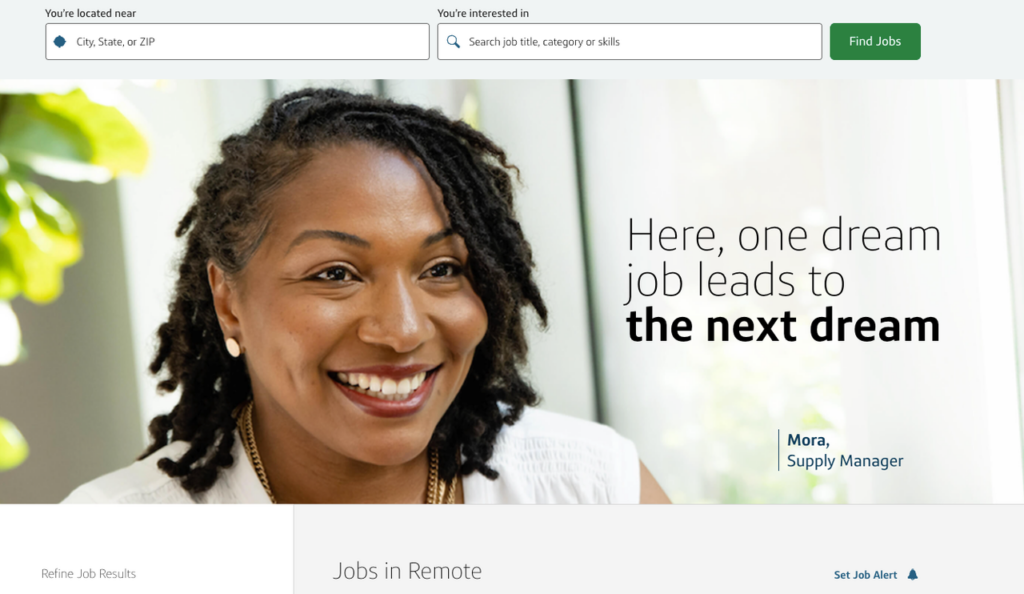
Start with the official Capital One remote jobs listings. That gives you the cleanest view of team, location, and job family. Then compare what you find against LinkedIn or other boards only as a second layer.
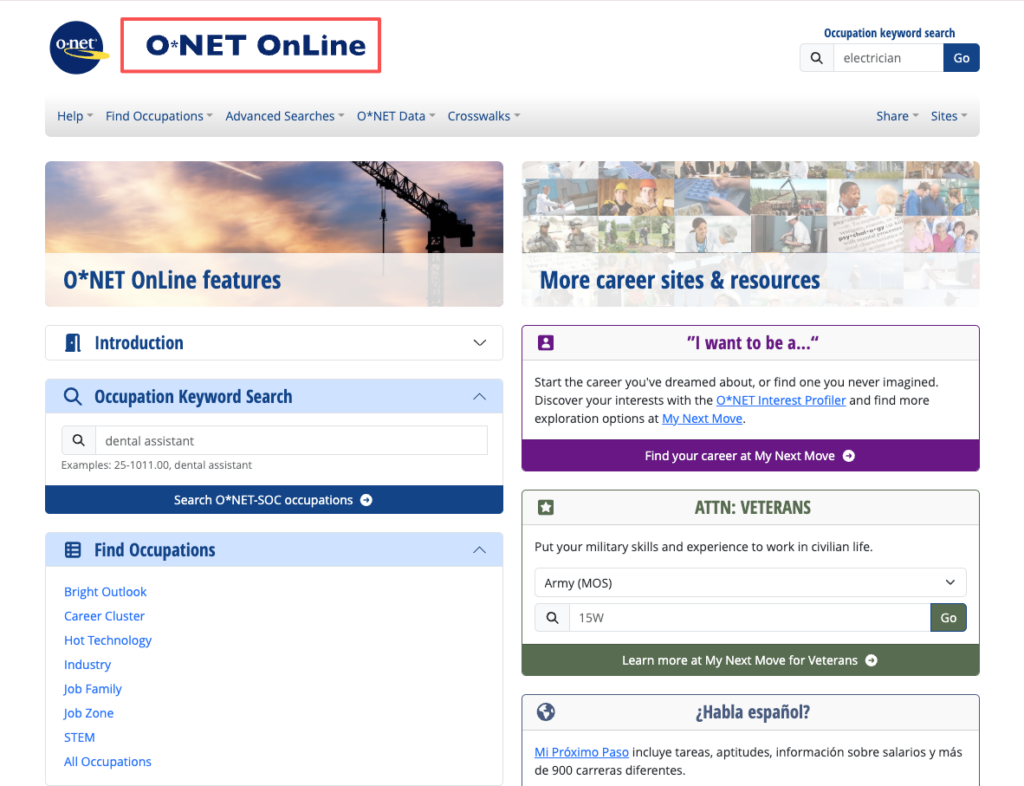
I also like using labor-market references like O*NET OnLine when I’m helping candidates decode role language. It’s useful for spotting overlapping skill terms, which can help with resume optimization and keyword match.
Before you apply blindly, it helps to practice evaluating an active remote analytics role to see how your skills actually align. Here’s an example of a live remote business analytics role that shows what a cleaner, more detailed listing looks like (strong data governance focus, clear metrics, and governance standards — very similar to the business/data paths you’ll see at Capital One).
1. Scope
Is the job task-based, project-based, or decision-based? Task-heavy roles often focus on service consistency. Decision-heavy roles usually need stronger judgment and domain depth.
2. Team
What function owns the role? A job in fraud ops, customer service, finance, risk, or business analysis may share language, but the day-to-day work can differ a lot.
3. Seniority
Does the posting want execution, independent ownership, or strategic influence? Don’t apply up two levels just because the title sounds close.
Here’s a simple scorecard I use with clients before applying:
- Keyword match: 8/10 or higher
- Relevant metrics from past work: at least 2 strong examples
- Function alignment: clear match to your actual background
- Location/work model fit: confirmed
- Visa or work authorization fit: confirmed if needed
If you can’t hit most of those, pause. This is tough love, but needed: sending low-alignment applications in bulk is not hustle. It’s leakage.
A smaller, sharper set of applications will usually produce a better conversion rate than blasting resumes into the application black hole.
Final Take
If you’re searching for Capital One remote jobs, the smartest move is not to ask, “Does Capital One hire remotely?” The smarter question is, “Which remote path fits my actual experience, and can I prove it?” That shift changes everything.
Who Capital One remote jobs suit best
These roles tend to suit people who are comfortable with structured environments, measurable outcomes, and clear business expectations. If you like defined metrics, process discipline, customer impact, or business analysis with accountability, there may be strong opportunities.
They may be less ideal if you’re only chasing the brand or assuming every remote listing is a flexible tech role. That assumption costs people time.
What to do before you apply
Before you send anything, do four things:
- Pick one lane: service, operations, analytics, finance, or corporate support.
- Tailor your resume for ATS parsing and keyword match.
- Quantify your impact with metrics, not vague claims.
- Confirm work model, location limits, and sponsorship reality early.
Stop guessing. Let’s look at the data. If you do that, your application has a shot. If not, it’s just another file in the queue.
And if you’re like many of the people I work with, smart, tired, and done with random applying, this is the better play: fewer applications, tighter alignment, stronger proof. That’s how you give yourself leverage.
Frequently Asked Questions
What types of Capital One remote jobs are most common?
Capital One remote jobs often cluster into customer-facing service roles, operations and back-office support, analytics and risk positions, and select corporate functions like HR, compliance, or marketing. Many applicants expect mostly tech openings, but remote listings are often more service- and operations-heavy than they assume.
How can I find the best-fit Capital One remote jobs for my background?
Start by defining your function first: service, operations, analytics, finance, or corporate support. Then search the Capital One Careers site using role-specific keywords instead of only the brand name. Compare each listing by scope, team, seniority, location rules, and work model before applying.
What does Capital One usually look for in remote candidates?
Hiring teams typically screen for practical execution, ownership, and communication. Strong applicants show how they solved problems, improved metrics, handled pressure, or drove business outcomes. For analytical roles, resumes should highlight measurable impact, such as time saved, risk reduced, or process improvements delivered.
Are Capital One work from home jobs always fully remote?
No. Some Capital One work from home jobs are fully remote, while others are limited to certain states, include travel, or follow Capital One’s hybrid work model. The job title alone may not reveal those details, so review the official posting carefully to confirm location eligibility and actual flexibility.
Can international candidates apply for Capital One remote jobs?
Yes, but international candidates should verify work authorization, location restrictions, and sponsorship details early. Not every remote role will support sponsorship or cross-border hiring. The safest approach is to rely on the official job description first, then use public visa and labor data sources like the H-1B Employer Data Hub and CareerOneStop for added context.
Recommended Reads