
Progressive Remote Jobs: Teams, Roles & What to Know
Table of Contents
If you want to stop wasting time and actually get hired for Progressive remote jobs, you need to understand the underlying mechanics of their hiring process. This guide is your cheat sheet to navigating Progressive remote careers without the guesswork. I’ll cut straight to the chase: I’m Dora, and I’ve mapped out exactly how to bypass the application black hole. In the next few minutes, you’ll learn the core differences between their service, claims, and operations paths, which roles actually match your background (even if you’re pivoting from tech), and the specific keywords their ATS demands. No fluff, no generic “just be yourself” advice—just the hard data, live role patterns, and resume optimization strategies you need to drastically improve your application conversion rate today.
What Counts as a Progressive Remote Job?
When people say Progressive remote jobs, they usually mean remote roles at Progressive Insurance, not “progressive” as in politically progressive work. That sounds obvious, but search intent gets messy. I’ve watched job seekers waste hours because they assumed every listing under a big insurance brand meant the same kind of job.
Progressive does post remote and hybrid jobs across different teams, but not all of them are built the same way. Some are fully home-based, some are remote only in certain states, and some ask for set schedules, licensing, or customer phone time. That matters more than the title.
If you want a better application conversion rate, treat each listing like its own system. Read location restrictions, schedule rules, and required experience closely. That’s basic optimization, but most people skip it.
Service, claims, operations, and insurance support roles
A lot of Progressive insurance remote jobs fall into a few broad buckets:
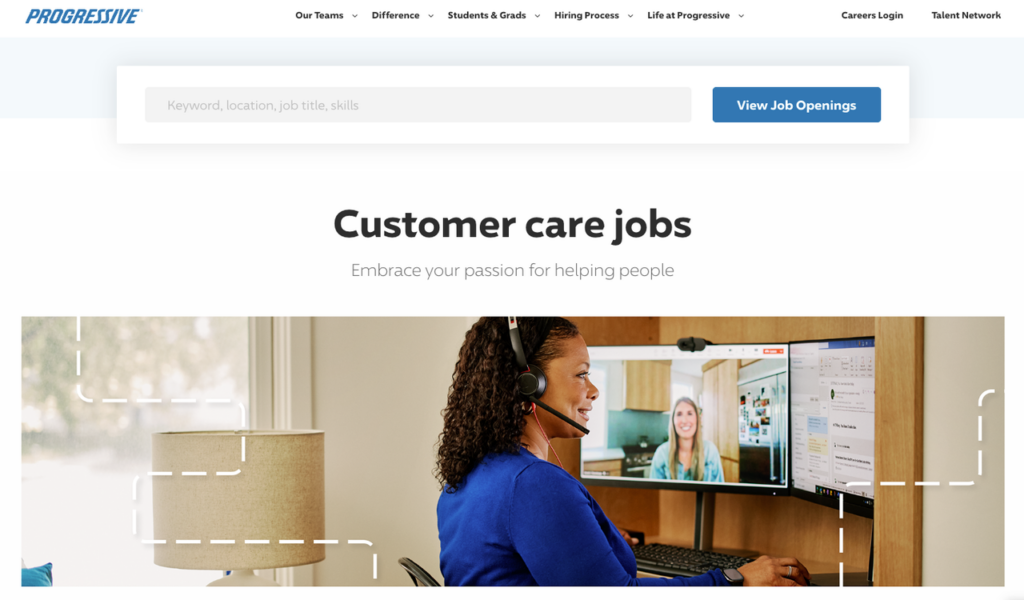
- Customer service roles that help policyholders by phone or chat
- Claims support jobs focused on intake, documentation, follow-up, or coordination

- Operations roles tied to workflow, compliance, billing, or process support
- Insurance support positions that help agents, internal teams, or policy systems run smoothly
If you come from tech, some of these may look less exciting at first glance. But don’t dismiss them too fast. I’ve seen strong candidates use operations or claims support roles as stable, remote bridges while they rebuild savings, secure visa time, or plan a sharper move later.
And yes, these jobs usually reward discipline over hype. Think less “big innovation deck,” more “can this person handle queue volume, follow process, and stay accurate under pressure?”
Why insurance brand searches can hide very different job paths
This is where people get tripped up. A search for Progressive jobs remote may show jobs with similar wording but different daily lives. One role might be mostly customer calls. Another might be document review and coordination. Another could be tied to licensing rules or specific time zones.
That means your value prop has to match the actual mechanism of the job. If the role centers on service metrics, your resume should quantify service outcomes. If it centers on claims workflow, highlight accuracy, handoff discipline, and speed without errors.
The company’s official Progressive careers site is the best starting point because it shows live role details and location rules more clearly than many job boards. For company background, Fortune and Progressive’s investor relations pages can also help you understand scale, business model, and hiring context.
In plain English: don’t apply to the brand. Apply to the job path.
The Main Types of Progressive Remote Jobs
When I review Progressive remote careers, I usually sort them by the kind of work rhythm they require. That’s more useful than just reading job titles.
Customer-facing and policy support roles
These roles often include customer care, policy servicing, billing help, and agent-facing support. The core work is communication, issue resolution, and accurate account handling. If you’ve worked in product support, technical support, trust and safety, or client success, some of your experience may translate better than you think.
But here’s the harsh truth: many tech professionals undersell support work because they think it sounds too basic. That’s a mistake. Strong support work is structured, measurable, and full of metrics. You may be judged on handle time, quality, customer satisfaction, adherence, and case completion. That is data-backed work.
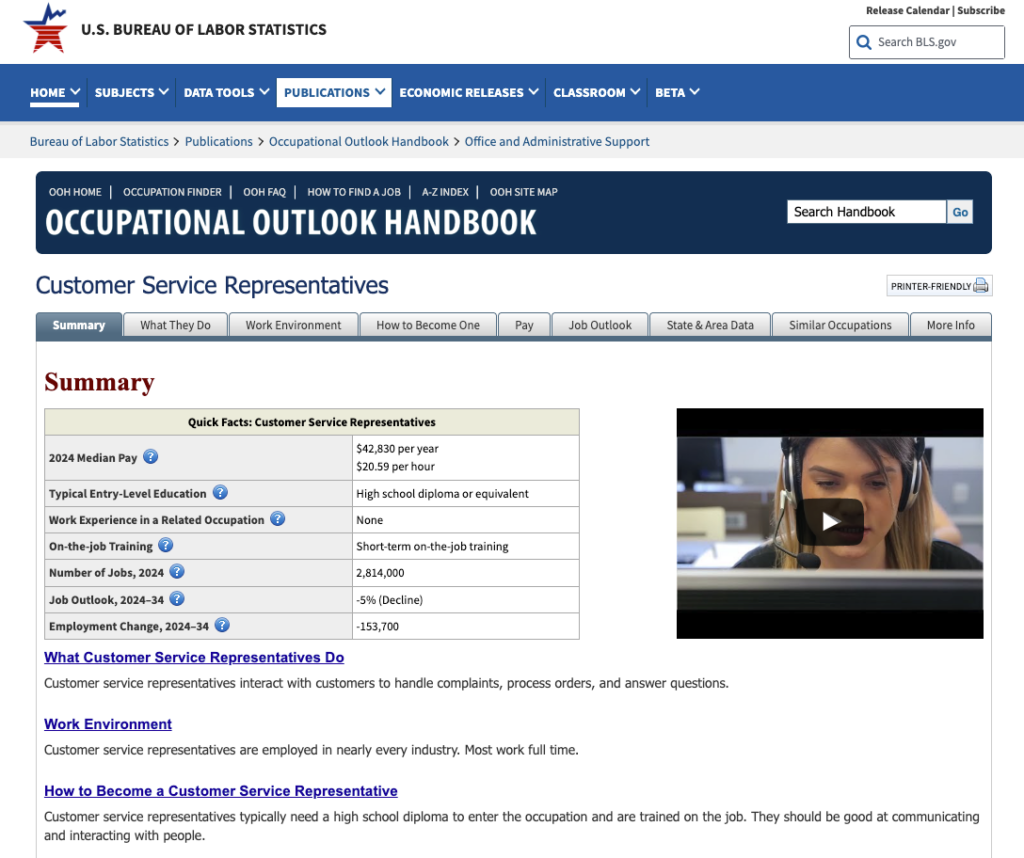
According to the U.S. Bureau of Labor Statistics overview of customer service representatives, communication accuracy and issue resolution speed are among the most consistently evaluated competencies in this field—reinforcing why these skills need to appear clearly on your resume.
If your background includes ticket queues, SLA management, cross-functional follow-up, or de-escalation, use those keywords with alignment to the posting. ATS parsing is not magic. It looks for close evidence of fit.
Claims, operations, and business support paths
This group is often a better fit for people who like structured workflows more than constant live customer contact. Claims support roles may involve reviewing details, updating systems, coordinating next steps, and keeping records clean. Operations roles may focus on internal processing, business rules, documentation, or team support.
The BLS occupational outlook for claims adjusters, examiners, and investigators confirms that accuracy, documentation discipline, and the ability to work within regulated processes are the most transferable and in-demand competencies in this field.
For tech workers, there’s a simple analogy: claims and operations are like backend systems. Customers may not see them, but if they break, everything slows down. Companies care about people who can follow a process, spot exceptions, and keep the workflow moving.
That’s why Progressive work from home jobs can appeal to people outside classic insurance backgrounds. The transfer point is not “Do you love insurance?” It’s “Can you work inside a rule-based system with consistent output?”

What Progressive Hiring Usually Looks For
If you want interviews, stop guessing. Let’s look at the data. Across many insurance and operations-heavy remote roles, hiring teams tend to reward the same patterns: clear communication, reliability, speed with accuracy, and comfort with process.
Accuracy, communication, and workflow discipline
These are not soft extras. They are core hiring signals.
In practical terms, that means employers often want proof that you can:
- follow documented steps without constant supervision
- manage a queue or workload across multiple systems
- write clear notes and updates others can trust
- maintain quality while moving at a steady pace
- communicate with upset or confused customers calmly
If you’ve ever worked with dashboards, case queues, bug triage, support metrics, or compliance reviews, you already understand the basic mechanism. Use that language. Quantify it where you can.
For example, instead of saying you “helped customers,” say you handled 45+ cases per day with a 96% quality score, improved first-response time, or reduced repeat contacts. Metrics create trust. They also improve keyword match because they show the algorithm and recruiter that your claims are grounded.
You can also use O*NET Online to look up the standardized skill descriptors for insurance and operations roles—this is a practical way to identify ATS-friendly keywords used across the industry.
Why insurance or customer support experience can help
No, you do not always need direct insurance experience. But related experience helps because it lowers training risk. Recruiters won’t tell you this, but many remote hiring decisions are risk decisions. They ask: will this person ramp fast, stay organized, and not create rework?
Customer support, financial services, healthcare admin, claims-adjacent work, call center operations, and regulated industry experience can all help. If you’re an international job seeker, also pay close attention to work authorization language. Remote roles can still have state limits, licensing requirements, or sponsorship restrictions.
If visa sponsorship matters, check the posting carefully and don’t assume a large employer sponsors every function. Use official listings first, then cross-check public records and employer history through reliable databases when needed. A broad company name is not enough.
And one more tough-love note: if the job is clearly phone-heavy and you hate phone work, don’t rationalize your way into applying. That mismatch shows up in interviews fast.
Where to Find Better-Fit Progressive Listings
The best source for Progressive remote jobs is still the company’s own career page. Third-party sites can be useful for alerts, but they often lag, strip details, or flatten important differences between roles.
If you’re not sure how to evaluate a posting, here’s a live remote insurance job that shows how responsibilities, requirements, and workflow expectations are actually structured in a real role.
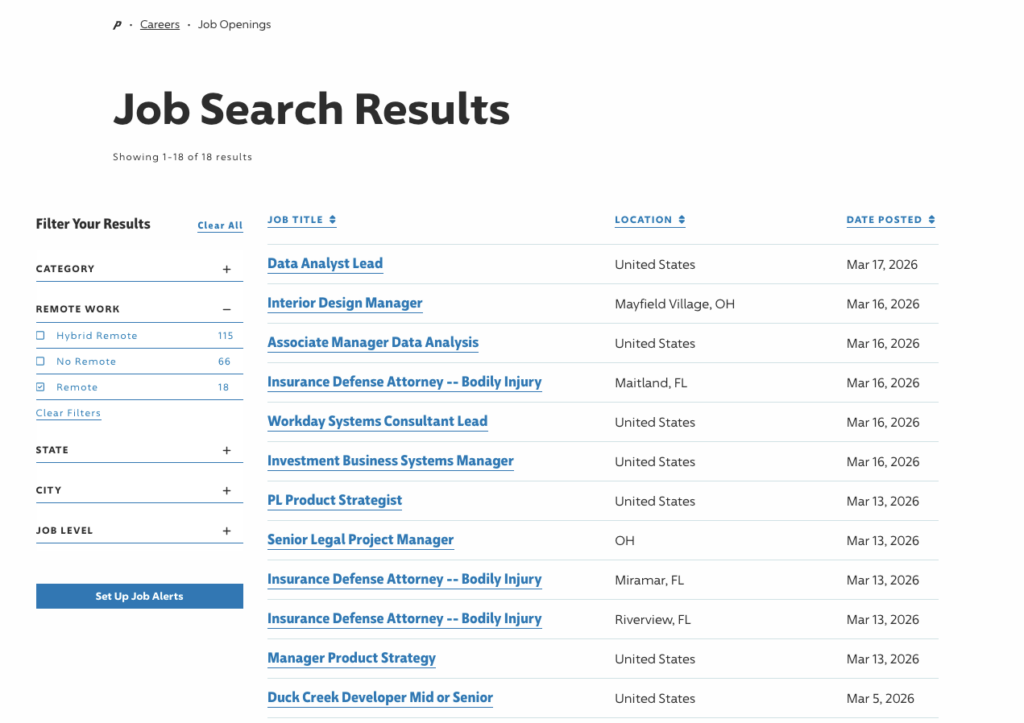
Start with the Progressive remote jobs search page and use the official filters to compare titles, departments, required experience, schedule expectations, and geography rules. It’s also worth reading how Progressive describes its hiring process directly—this gives you a clearer picture of what to expect at each stage.
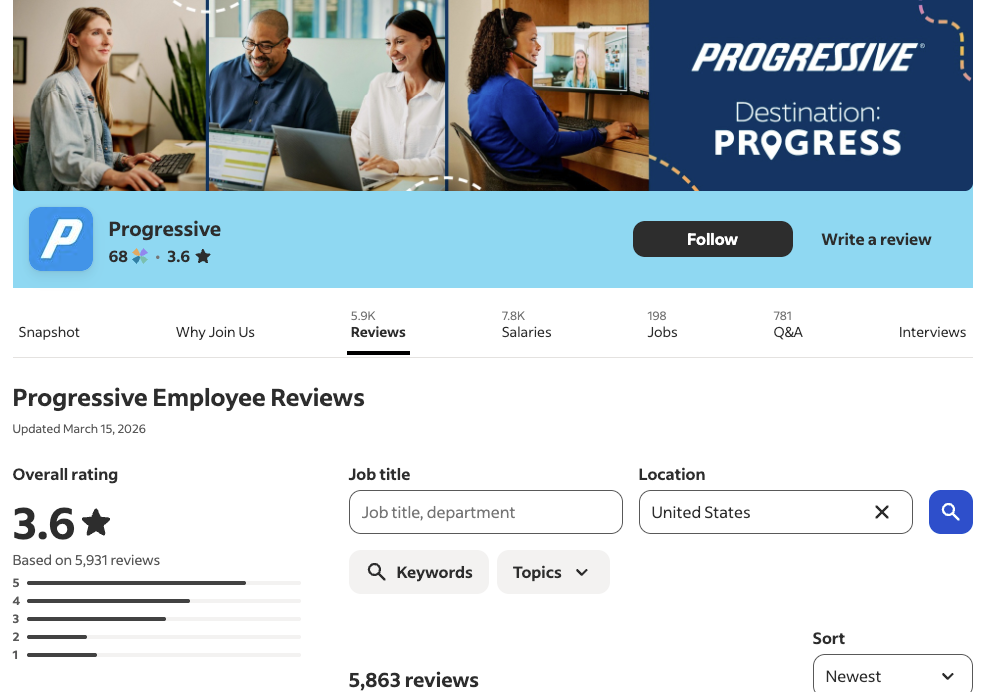
For employee sentiment, Progressive Insurance reviews on Glassdoor and employee feedback on Indeed are useful for pattern spotting—not as absolute truth, but as field notes on team culture, workload expectations, and management style.
For wage research, compare ranges using sources like the U.S. Bureau of Labor Statistics and posted salary bands where available. That gives you negotiation leverage later, even if the first goal is simply landing the interview.
How to compare live roles by team, workload, and remote scope
When I help people screen remote roles, I use a simple scorecard. You can do the same in a spreadsheet.
Check these five things:
- Team type — service, claims, operations, or another function
- Workload pattern — live calls, case queues, documentation, or mixed work
- Remote scope — fully remote, hybrid, or remote only in specific states; Progressive also publishes its work-from-home and flexible work standards (PDF) which is worth reviewing
- Hiring signals — licenses, prior insurance experience, schedule flexibility, equipment rules
- Fit with your background — support metrics, workflow tools, regulated environments, communication strength
This sounds basic. It works because it forces alignment.
If two listings look similar, compare the verbs in the job description. “Resolve,” “document,” “review,” “coordinate,” and “support” each suggest a different daily rhythm. That tells you what resume bullets to surface and what interview stories to prepare.
And if you’re applying broadly, build one resume base and make small edits for each role family. Not a full rewrite every time. Just enough ATS optimization to improve parsing and keyword match without turning your resume into a robot-made mess.
Final Take
If you’re searching for Progressive remote jobs, the opportunity is real, but only if you filter with discipline. The brand name can pull you in. The actual job fit is what gets you interviews.
Who should prioritize Progressive remote jobs
I’d prioritize these roles if you want stable remote work, do well in structured environments, and can show reliable performance through metrics. They can be a smart fit for people from support, operations, trust and safety, customer success, healthcare admin, fintech support, or other process-heavy roles.
They may also make sense for job seekers who need steady income while planning a longer-term move back into tech. That’s not glamorous, but it’s practical. And practical beats panic.
What to check before you apply
Before you hit apply, confirm:
- whether the role is truly remote or location-limited
- whether the job is phone-heavy or casework-heavy
- what experience the posting repeats most often
- whether sponsorship or work authorization language creates a hard stop
- whether your resume shows metrics, accuracy, and workflow discipline clearly
Here’s the harsh truth: mass applying is not a strategy. It’s stress dressed up as effort. Better results usually come from fewer, sharper applications with stronger alignment.
If you’re like me, you don’t need more hype around Progressive insurance remote jobs. You need a cleaner filter, better keyword strategy, and a resume that shows clear ROI. Do that, and you’ll give yourself a better shot at turning a brand search into an actual interview.
We’ve mapped out the mechanics of the Progressive hiring process; now it’s your turn to apply them. Use Jobright.ai to match your skills with verified remote roles and generate a tailored resume for your chosen path. Start your precise job search today.
Frequently Asked Questions About Progressive Remote Jobs
What counts as a Progressive remote job?
A Progressive remote job usually means a remote role at Progressive Insurance, not politically progressive work. These jobs can be fully remote, hybrid, or limited to certain states. Always check the listing for location rules, schedule requirements, licensing needs, and whether the work is phone-based or process-based.
What types of Progressive work from home jobs are most common?
Most Progressive work from home jobs fall into customer service, claims support, operations, and insurance support. Some focus on live customer communication, while others center on documentation, coordination, billing, compliance, or internal workflows. The title alone rarely shows the full day-to-day work, so review responsibilities closely.
How should I tailor my resume for Progressive remote jobs?
For Progressive remote jobs, align your resume with the posting’s keywords and work style instead of using one generic version everywhere. Highlight measurable results like case volume, quality scores, response times, accuracy, and workflow tools. Matching your experience to service, claims, or operations needs can improve ATS fit and interview chances.
Do I need insurance experience to get Progressive insurance remote jobs?
Not always. Progressive insurance remote jobs often value transferable experience from customer support, healthcare admin, financial services, call centers, or other regulated, process-driven environments. Hiring teams typically look for communication, reliability, accuracy, and comfort with structured workflows, especially when the role requires steady output and low-error work.
Are Progressive remote careers good for people leaving tech or product roles?
Yes, Progressive remote careers can be a practical option for people moving from tech, data, or product into more stable remote work. Operations and claims support roles may fit well if you’re comfortable with systems, metrics, queues, and documentation. The strongest candidates frame their experience around process discipline and measurable performance.
Recommended Reads