
Allstate Remote Jobs: Teams, Roles & What to Know
Table of Contents
I’ve seen this exact cycle play out countless times: you search for Allstate remote jobs, fire off a dozen quick applications, and then… absolute silence. It’s incredibly frustrating, and honestly, it feels personal. But as someone who analyzes hiring patterns daily, I can tell you it usually isn’t. The real issue? Most candidates completely misunderstand what “remote” actually means in the insurance sector. Searching for Allstate work from home jobs often pulls in a messy mix of hybrid roles, field positions, and state-restricted gigs that trip up even the smartest applicants. I’m Dora, and I’ve spent months dissecting these exact applicant tracking systems. Let’s stop the guesswork and dive into the specific role patterns, hidden requirements, and exact fit signals you need to actually get a callback.
What Counts as an Allstate Remote Job?
When people search for Allstate remote careers, they often mean one of three things: fully remote jobs, home-based jobs tied to certain locations, or hybrid jobs that show up in remote search filters. Those are not the same.
In my consulting work, I’ve seen candidates lose time because they don’t read the location line carefully. A posting may say remote, but the fine print says you must live in a listed state, travel sometimes, or work set hours in a specific time zone. That matters if you’re planning a move, need visa support, or want true location freedom.
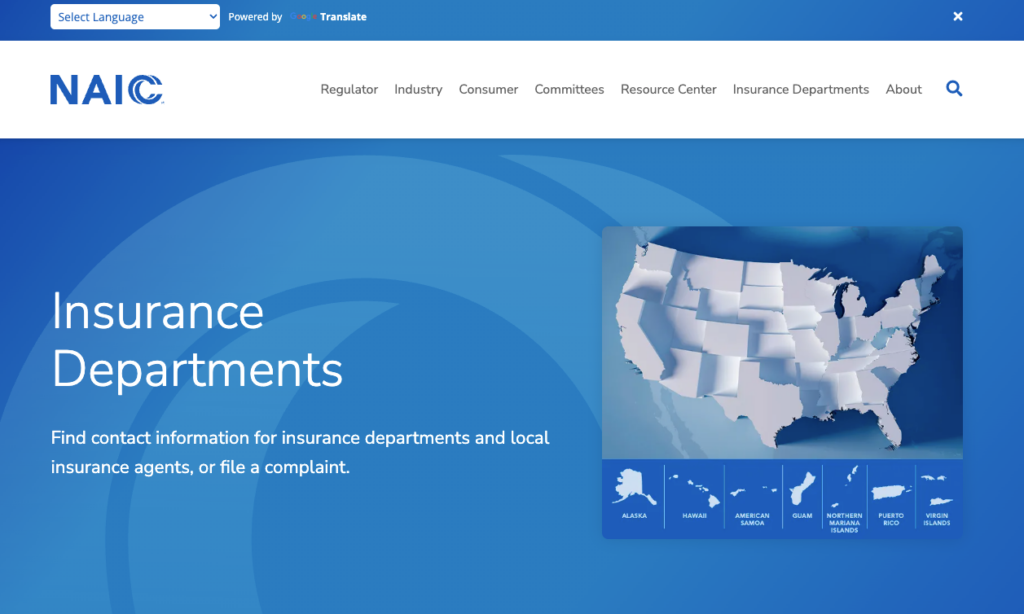
Another detail: some roles are remote in practice but still tied to licensing, state regulations, or local claim handling rules. You can verify your state’s insurance licensing requirements through the NAIC State Insurance Department directory. Insurance hiring has more location logic than many tech candidates expect.
Claims, service, operations, and insurance support roles
Most Allstate insurance remote jobs tend to fall into business functions rather than classic tech functions. Common buckets include:
- customer service and policy support
- claims support and claims handling
- operations and administrative support
- sales support or licensed insurance service
- analytics, corporate support, and occasional tech-adjacent roles
If you come from software, data, or product, this can feel a little off at first. You may expect remote hiring to center on engineering. But for insurance brands, remote scale often shows up in service-heavy teams. Think of it like this: remote work is often used where the workflow is structured, measurable, and easy to track with metrics.
That’s why many roles emphasize service levels, documentation accuracy, handling time, conversion rate, or quality review scores. The work can be stable, but it’s also process-driven.
Why insurance brand searches often mix very different job types
Job boards are messy. One search for Allstate jobs remote can surface direct corporate roles, agency roles, hybrid office jobs, field jobs, and listings reposted by third-party boards. Some may be current, some may be stale, and some may not even reflect the latest remote policy.
That mix creates confusion, especially for anxious job seekers. You think you’re applying to one employer model, but the role may sit under a different hiring path.
Here’s the harsh truth: if you don’t separate corporate jobs from agency-affiliated or location-limited jobs, your application strategy gets sloppy. And sloppy applications get filtered out.
I always tell clients to verify three things before they apply:
- Is the job directly listed on the official Allstate careers site?

- Is it fully remote, hybrid, or remote in specific states only?
- Does the role require licensing, prior claims exposure, or fixed-hour availability?
That simple check improves application ROI fast because it cuts wasted applications and boosts alignment.
The Main Types of Allstate Remote Jobs
If you’re evaluating Allstate remote jobs, it helps to group them by work style, not just title. Titles vary. Work patterns don’t.
Customer-facing and policy support roles
These are often the most visible Allstate work from home jobs. They may involve inbound calls, policy questions, billing help, coverage explanations, or service requests. In some cases, there may be upsell or retention goals too.
That means employers often track metrics like:
- average handling time
- customer satisfaction
- schedule adherence
- documentation quality
- issue resolution rate
If you’ve worked in support, account management, operations, or even product support, you may have stronger transfer value than you think. But your resume needs to quantify it. Don’t say you “helped customers.” Say you handled 40 to 60 cases a day, kept 95% quality scores, or improved resolution time by 18%.
ATS parsing is blunt. It looks for keyword match and role alignment. If the posting asks for customer communication, policy servicing, documentation, and regulated workflow, your resume should reflect those phrases truthfully where they apply.
We can’t guarantee you’ll land that specific Allstate claims role, but Jobright.ai can ensure your resume actually passes their blunt ATS parsers. Explore our smart resume optimization to highlight your metrics and stop wasting time on blind applications.
Operations, claims, and business support paths
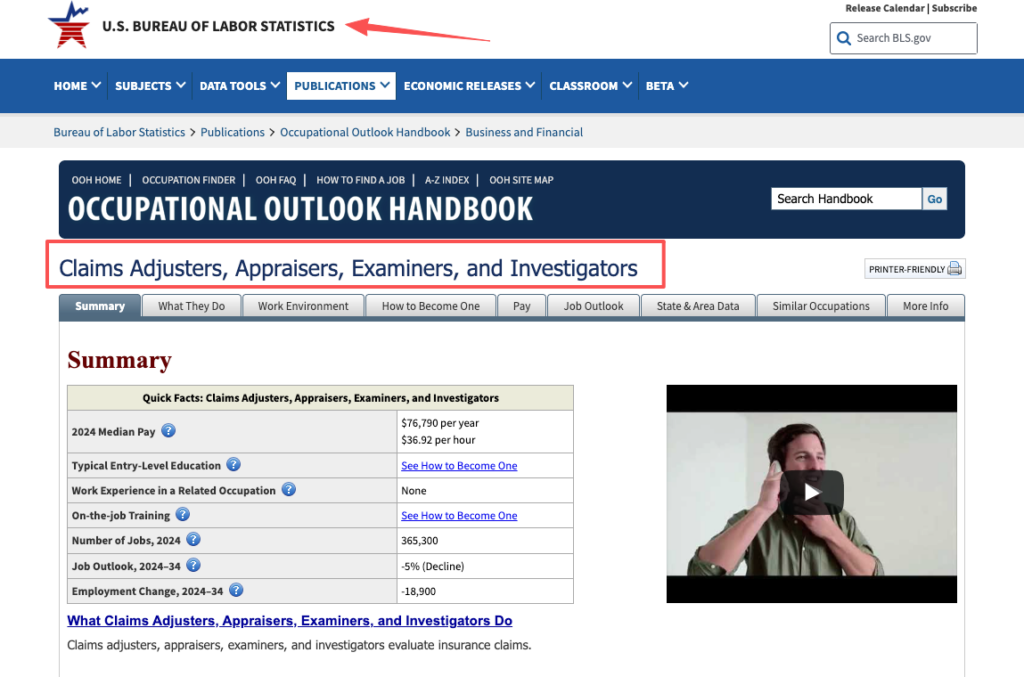
This is where I often see stronger fit for analytical candidates. Claims and operations roles can reward people who like structured process, careful review, and clear decision logic. According to the U.S. Bureau of Labor Statistics occupational outlook for claims adjusters and examiners, this field maintains stable demand with strong remote work penetration. If you’re detail-heavy and calm under pressure, that can be a real value prop.
Claims-related work may involve reviewing documentation, following state or company rules, coordinating with customers, tracking deadlines, and keeping records clean. Operations roles may focus more on internal workflows, support queues, reporting, escalation handling, or business process support.
For tech professionals, this is the key mindset shift: not every strong remote role needs to be a product or engineering role. Some business-side remote jobs offer better entry points, more stable hiring volume, and clearer performance metrics.
Recruiters won’t tell you this, but hiring teams often trust candidates who can show they’ve succeeded inside measured systems. If you’ve worked with SLAs, ticket queues, audits, quality checks, or compliance steps, bring that forward. That language translates well.
And if you’re an international candidate, pause here. Many service and operations jobs may not be designed for visa sponsorship. You need to check the listing carefully and avoid assumptions. A large company name does not automatically mean sponsorship availability.
What Allstate Hiring Usually Looks For
When I review resumes for insurance-adjacent roles, the same issue comes up again and again: smart people pitch themselves too broadly. They write like generalists when the hiring system wants proof of workflow fit.
Stop guessing. Let’s look at the data. Large employers often use ATS screening to rank resumes based on skill match, title relevance, and keyword alignment. If the role is process-heavy, the algorithm usually rewards specific operational language more than abstract potential.
Accuracy, communication, and regulated workflow comfort
Across many insurance roles, hiring teams tend to value three things early:
- accuracy under time pressure
- clear written and verbal communication
- comfort with regulated or rule-based work
That doesn’t sound glamorous, but it matters. Insurance is built on documentation, timelines, and decisions that need to hold up under review. One missed detail can create downstream cost.
So if you want better odds with Allstate remote careers, show evidence like:
- error reduction
- audit pass rates
- case volume managed
- turnaround time
- customer communication results
- escalation handling experience
This is also where resume optimization matters. Use the exact language from the job description when it matches your real experience. That improves ATS parsing and keyword match without gaming the system.
For example, if the posting says “document claim activity” and you’ve done similar case logging, use that wording. If it says “manage a high-volume workload,” quantify your volume. Numbers make your claims easier to trust.
Why insurance or service experience helps
Insurance experience helps because it lowers training risk. Service experience helps because it proves you can manage people, process, and pressure at the same time.
Here’s the harsh truth: employers are not just hiring for intelligence. They’re hiring for predictability. They want to know you can follow a workflow, keep records clean, and not fall apart when the queue spikes.
That’s why adjacent backgrounds can work well too, including:
- banking or financial service support
- healthcare administration
- customer operations
- technical support
- call center or case management work
The BLS Occupational Outlook for Insurance Sales Agents highlights communication and product knowledge as core competencies — skills that transfer directly to many remote service roles. Similarly, the BLS profile for Insurance Underwriters underscores analytical thinking and attention to detail, both of which are valued across remote operations and claims paths.
If you come from tech, don’t hide your structured work. Surface it. Maybe you triaged support tickets, managed incident communication, handled user escalations, or improved internal process documentation. That’s relevant. The trick is alignment.
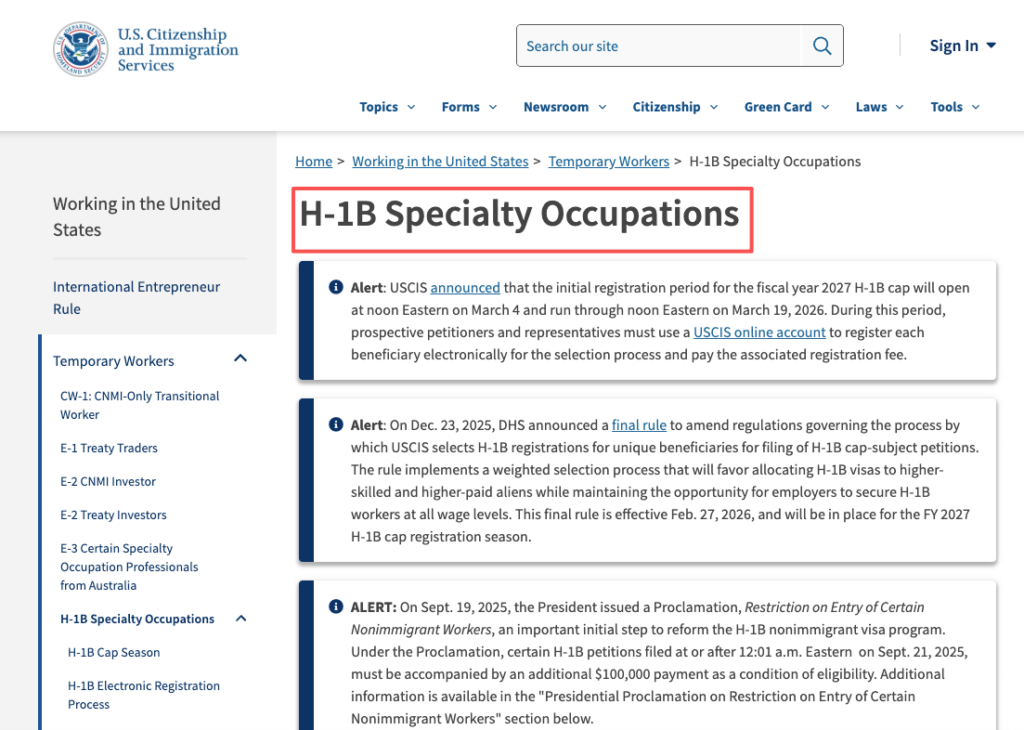
If you need sponsorship, you should also separate role fit from immigration fit. According to USCIS, H-1B roles usually need specialty occupation alignment. Many service-heavy jobs may not meet that standard. So for visa-dependent candidates, the target list should be narrower and more realistic.
Where to Find Better-Fit Allstate Listings
If you’re tired of the application black hole, your search process needs more filtering up front. I’d rather see you apply to eight strong-fit jobs than 80 random ones.
Start with the official Allstate jobs portal and compare that against trusted boards like LinkedIn Jobs and Indeed. Then verify details on the company site before applying. Third-party boards often lag behind policy changes.
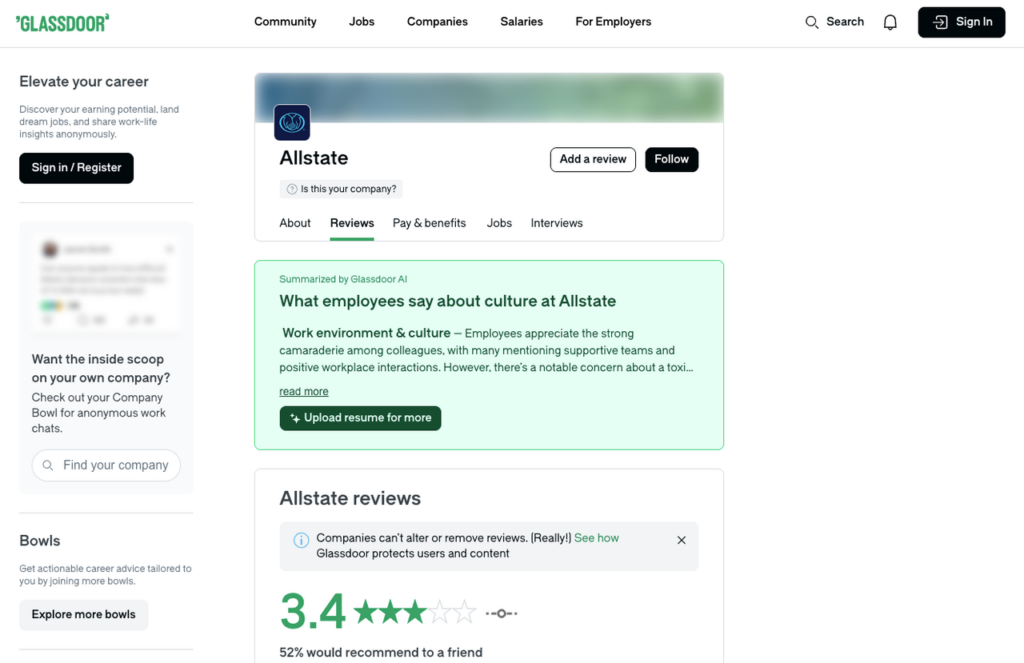
For remote policy context, it also helps to check reputable workplace sources like Glassdoor employee reviews for Allstate for employee-reported patterns. Don’t treat that as law, but use it as a signal.
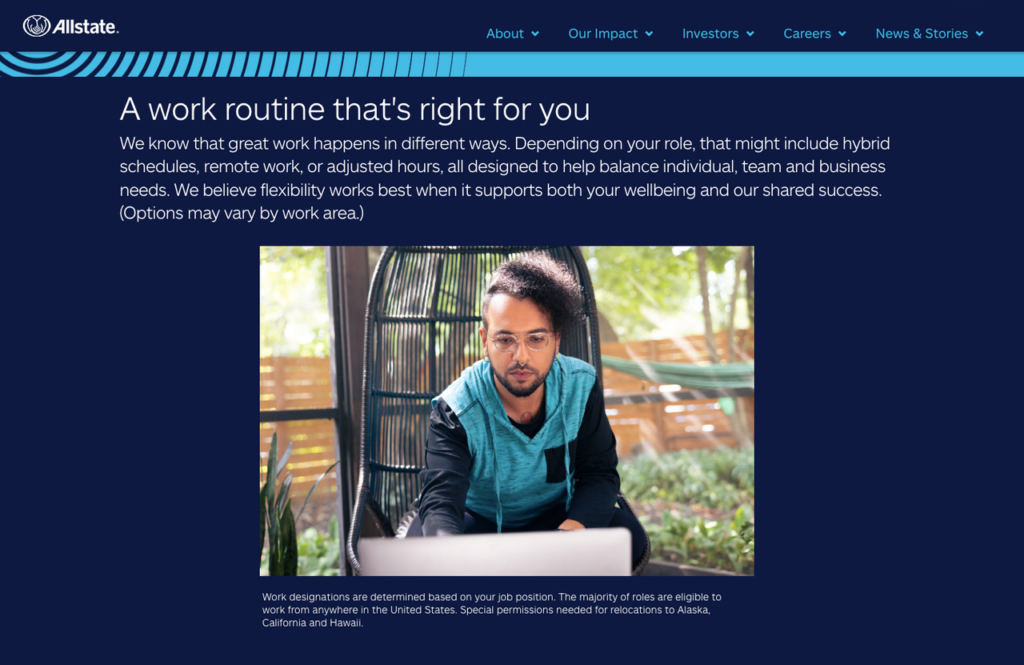
Before you apply, it’s also worth reviewing Allstate’s official US employee benefits page and the Allstate hiring process overview to understand what the company values and how they evaluate candidates. That context sharpens your application framing.
How to compare live roles by team, workload, and remote scope
To see what this looks like in practice, you can review a live remote job listing to spot these hidden requirements. I tell clients to score each listing on a simple grid:
1. Team fit
Is the role in claims, customer service, operations, analytics, or something else? Which of your past wins match that team?
2. Workload style
Is it queue-based, customer-facing, deadline-heavy, or documentation-heavy? Some people thrive in live-call work. Others don’t.
3. Remote scope
Is it fully remote, hybrid, field-based, or remote in selected states only?
4. Requirements match
Do you meet the hard filters, such as licensing, schedule flexibility, years of experience, or language requirements?
5. Visa reality
If you need sponsorship, is there any evidence the role type is compatible with that path? If not, be careful about investing hours.
This is where strategy beats hope. Create a short tracker with columns for title, job ID, remote scope, top keywords, required qualifications, and your matching proof points. That gives you a data-backed application plan.
Recruiters won’t tell you this, but most applicants never do this level of prep. They spray applications and call it effort. It’s not. It’s avoidance dressed up as action.
Also, watch for these small but important listing clues:
- mentions of specific states
- licensing requirements
- evening or weekend scheduling
- productivity metrics
- travel expectations
- internet or home office setup standards
Those details tell you what the day-to-day will likely feel like. And that’s the whole point. You’re not just trying to get an interview. You’re trying to find a role you can actually perform well in.
Final Take
If you’re feeling worn down by job searching, I get it. But random applying won’t fix that. Better filtering will.
Who should prioritize Allstate remote jobs
In my view, Allstate remote jobs make the most sense for people who are comfortable with structure, measured performance, and customer or workflow-driven work. If you like clear rules, stable process, and roles where output can be tracked with metrics, there may be strong fit here.
They can also be worth a look for candidates pivoting from support, operations, banking, healthcare admin, or case-based environments. Some tech professionals may fit well too, especially if they’ve worked in support operations, service systems, or compliance-heavy settings.
But if you only want total flexibility, loosely defined work, or a pure software path, these roles may not be the best match.
What to check before you apply
Before you apply, slow down and confirm:
- the listing is current and official on allstate.jobs
- the remote scope is truly workable for your location
- you meet the must-have requirements per the Allstate hiring process guide
- your resume reflects the right keyword match
- your bullets quantify results, volume, and accuracy
- the role makes sense for your long-term pay and visa goals
That last point matters. A job title can look promising and still be a weak strategic move.
So here’s my closing view: if you want Allstate insurance remote jobs, treat them like a fit exercise, not a lottery ticket. Read closely. Optimize honestly. Show alignment. And if you need sponsorship, be stricter than everyone else.
That’s how you improve conversion rate. Not by applying more, but by applying smarter.
Frequently Asked Questions About Allstate Remote Jobs
What counts as an Allstate remote job?
Allstate remote jobs can include fully remote roles, home-based positions limited to certain states, and hybrid jobs that appear in remote search results. Always read the location details carefully, since some listings may require state residency, fixed time zones, travel, or licensing based on local rules. Check state-specific licensing requirements via the NAIC State Insurance Department directory.
What types of Allstate work from home jobs are most common?
Most Allstate work from home jobs are in customer service, policy support, claims, operations, and administrative support rather than traditional software engineering. The BLS Occupational Outlook for Claims Adjusters confirms that remote work penetration in these roles is growing. These positions often involve structured workflows, performance metrics, documentation accuracy, and customer communication, making them a strong fit for service-oriented and process-driven candidates.
Why am I not hearing back after applying for Allstate remote jobs?
The most common reasons are poor role fit, weak ATS keyword alignment, and misunderstanding the job’s remote scope. Many applicants also apply to hybrid, agency-affiliated, or location-restricted roles without noticing. Tailoring your resume to the listing and verifying requirements through the official Allstate careers portal can improve your response rate.
How can I improve my chances of getting hired for Allstate remote careers?
Focus on showing measurable results that match the job description, such as case volume, quality scores, turnaround time, or customer satisfaction. Use relevant wording from the posting when it reflects your real experience, and confirm the role’s remote scope, licensing needs, schedule expectations, and qualifications before applying. Reviewing Allstate’s employee benefits page can also help you frame your motivations authentically.
Can I apply for Allstate remote jobs without insurance experience?
Yes, especially if you have experience in customer support, banking, healthcare administration, call centers, technical support, or operations. Employers often value accuracy, communication, and comfort with structured workflows. You can cross-reference role expectations against the BLS Insurance Sales Agents outlook to understand what transferable skills align most strongly. Transferable experience with audits, queues, compliance steps, or escalations can make you a competitive candidate.
Recommended Reads