
Call Center Remote Jobs: Pay, Shifts & Hiring Filters
Table of Contents
You’ve likely applied to dozens of Call Center Remote Jobs this week, only to be met with absolute silence. It’s the application black hole, and I see it happening constantly—especially to talented tech workers trying to pivot quickly after layoffs. You have the skills, so why aren’t you getting the screen? The reality is that most generic resumes get filtered out by the ATS before a human ever hears your voice.
I’m Dora, and at JobRight, I analyze hiring data to see what actually works. I know you don’t want another month of guessing; you want income. In this guide, we’re going to bypass the noise. We’ll look at the specific hiring filters blocking your application, the difference between “burnout” outbound roles and sustainable blended support, and how to find a shift that won’t wreck your sleep schedule.
What Call Center Remote Jobs Usually Involve
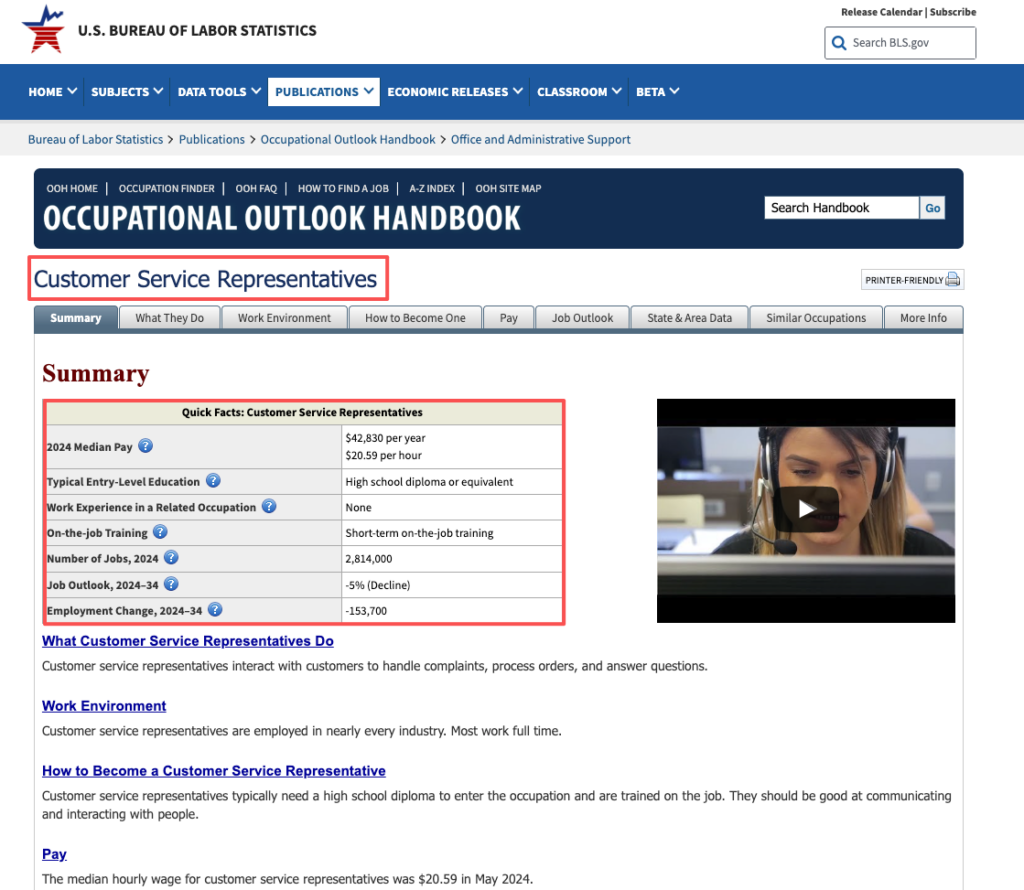
Most work from home call center jobs sound similar in job posts: “answer calls, help customers, follow scripts.” But the day-to-day can feel completely different based on call type, tools, and how strict the metrics are. A call center is basically a system that turns conversations into measurable outputs, defining the daily reality for customer service representatives. The company tracks metrics like handle time, resolution rate, and quality score. Your job is to hit targets without sounding like a robot.
Inbound vs outbound work
Inbound means calls come to you. Think billing questions, account access, password resets, order issues, or basic troubleshooting. This is the most common setup for legitimate remote customer service jobs.
Outbound means you call customers. Sometimes it’s “follow up on an application.” Often it’s sales or collections in disguise.
Recruiters won’t tell you this, but outbound roles usually have tighter pressure and lower forgiveness. You can be polite and skilled and still miss quota because people don’t answer unknown numbers.
Phone-heavy roles vs blended support roles
Some roles are pure phone: back-to-back calls with 30–60 seconds between them. You’re living inside a headset.
Blended support mixes phone with chat and email. If you’re coming from tech (SWE/PM/data), blended roles tend to feel more sustainable because you can think while you type. And you can often quantify your work better (tickets closed, response time, CSAT trends).
If you have a choice, I treat blended as the higher-ROI option. Same “entry-level” label, but less burnout risk.
We know the “application black hole” is exhausting. We built JobRight to scan millions of listings for the sustainable, blended support roles that actually match your skills—skipping the high-burnout churners. Stop guessing and see which roles fit you best.
What the Hiring Process Screens For
The hiring funnel for call center work from home jobs is usually fast: application → quick screen → assessment → short interview → offer. That speed is nice, but it also means automated filters matter more.
Here’s what gets screened, in order.
Voice, speed, and script handling
Most companies test three things:
- Clarity and tone: Can you sound calm when a customer is annoyed?
- Speed + accuracy: Basic typing tests or multi-task simulations.
- Script handling: Can you follow a workflow without going off-road?
This is where ATS parsing and keyword match impacts you. If the posting mentions “CRM,” “ticketing,” “QA score,” or “de-escalation,” and your resume doesn’t, the ATS may not rank you well.
A simple optimization move: mirror the job’s wording in your skills section (truthfully). Example: if you used Zendesk in a campus job, say “Zendesk (ticketing)” instead of “support tool.”
Availability, equipment, and attendance risk
Call centers fear one thing: no-shows. Remote makes it easier to disappear.
So they screen for:
- Stable schedule (nights/weekends willingness is often a plus)
- Hardwired internet (not just Wi‑Fi), quiet workspace
- Equipment: (You need to know what equipment is typically provided versus companies that provide equipment.
- Attendance history (yes, they ask)
If you’re international and need visa sponsorship: most entry-level call center roles do not sponsor. It’s not personal: it’s cost and process. If you need sponsorship, prioritize employers with a history of filing. A credible place to start is the U.S. Department of Labor’s OFLC disclosure data plus reputable H‑1B databases that summarize filings. Don’t rely on TikTok lists.
Here’s the harsh truth: if the role is labeled “seasonal,” “contract,” or “1099,” your odds of sponsorship are near zero.
What Pay and Scheduling Really Look Like
Pay for entry-level remote jobs ranges widely, but the pattern is consistent: the more the schedule hurts, the more leverage you have.
You’ll also see pay tied to performance. That can be fine, if the goals are realistic and transparent.
Why nights and weekends change role quality
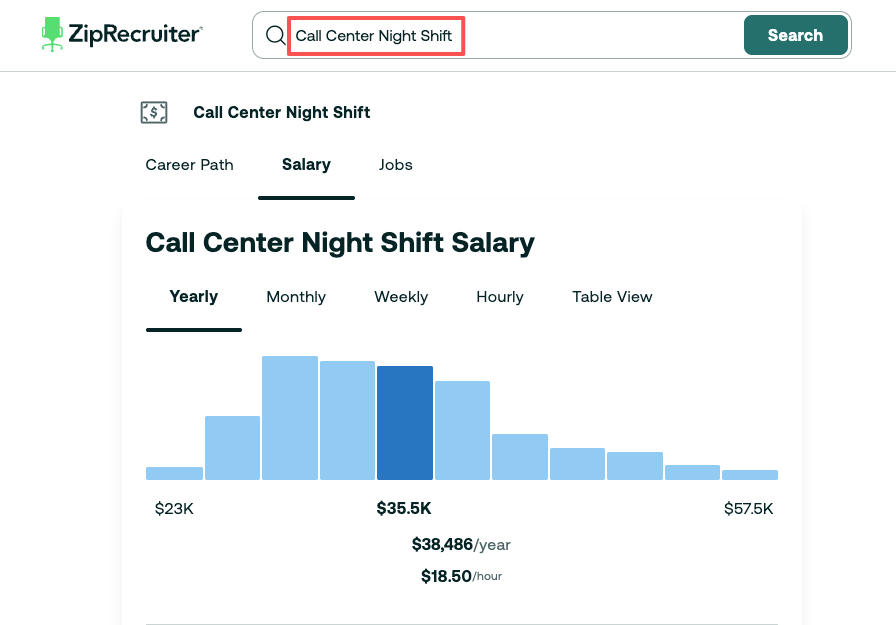
Off-hours shifts (evenings, nights, weekends) can improve your conversion rate from application to interview because fewer people want them. However, you must weigh the lifestyle cost against the potential Call Center Night Shift Salary premium. But role “quality” changes too:
- Some companies run skeleton crews off-hours, so escalations are harder.
- Supervisors may be less available, which can tank your QA score.
- Customer mood is often worse after-hours.
So yes, nights/weekends can be a strategy. But it’s not free money.
If you’re using this as a bridge while interviewing for tech roles, protect your energy. A schedule that wrecks your sleep will also wreck your interview performance.
Which call center roles feel more sustainable
In my consulting work, the most sustainable remote call center jobs usually share these traits:
- Clear scope (billing support beats “general customer happiness”)
- Lower emotional heat (B2B support often beats consumer complaints)
- Blended channels (chat/email included)
- Coaching culture (weekly feedback, not surprise write-ups)
Look for postings that mention structured training, QA rubrics, and realistic call volume. Here is a great example of a sustainable call center remote job that aligns with these healthy metrics.
And one more tough-love point: if you see “unlimited overtime,” it’s often a staffing problem. That’s not leverage. That’s a warning.
Where to Find Better-Fit Call Center Listings
Most people search “work from home call center jobs” on big boards and apply to everything. That’s how you end up back in the application black hole.
A better strategy: choose channels that give you signal, not noise.
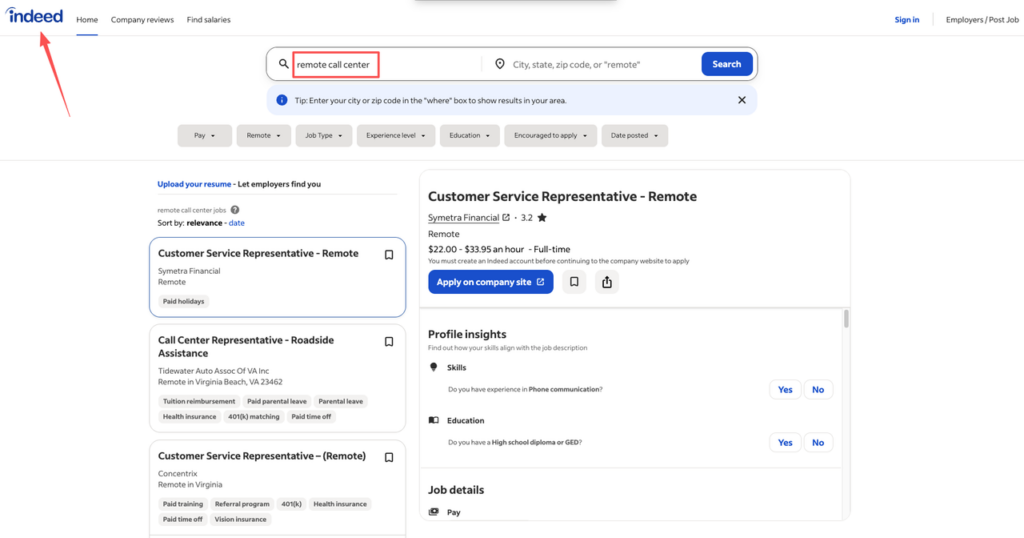
- Company career pages for known employers (telecom, insurance, banks)
- Specialized remote boards (more filtering, fewer scams)
- Staffing firms only if they disclose pay, client, and schedule upfront
Also, if you’re visa-dependent, focus on employers that already have compliance teams. You’re looking for alignment between your needs and their process.
How to compare live listings before you apply
I use a quick scorecard before I send any application:
- Pay clarity: Is hourly pay listed? Is it base + bonus?
- Schedule clarity: Are the hours fixed or “must be flexible”?
- Metrics transparency: Do they name targets (AHT, QA, CSAT)?
- Tech stack: Any CRM/ticketing listed? (Good sign, process exists.)
- Employment type: W2 tends to be safer than 1099.
- Training: Paid training is a must.
Then I tailor the resume for ATS parsing. Not a full rewrite, just keyword alignment.
Stop guessing. Let’s look at the data: if your resume doesn’t match the role’s top terms, your “qualified” application won’t get a screen. That’s not unfair. That’s how the sorting algorithm works.
Red Flags and Better Alternatives
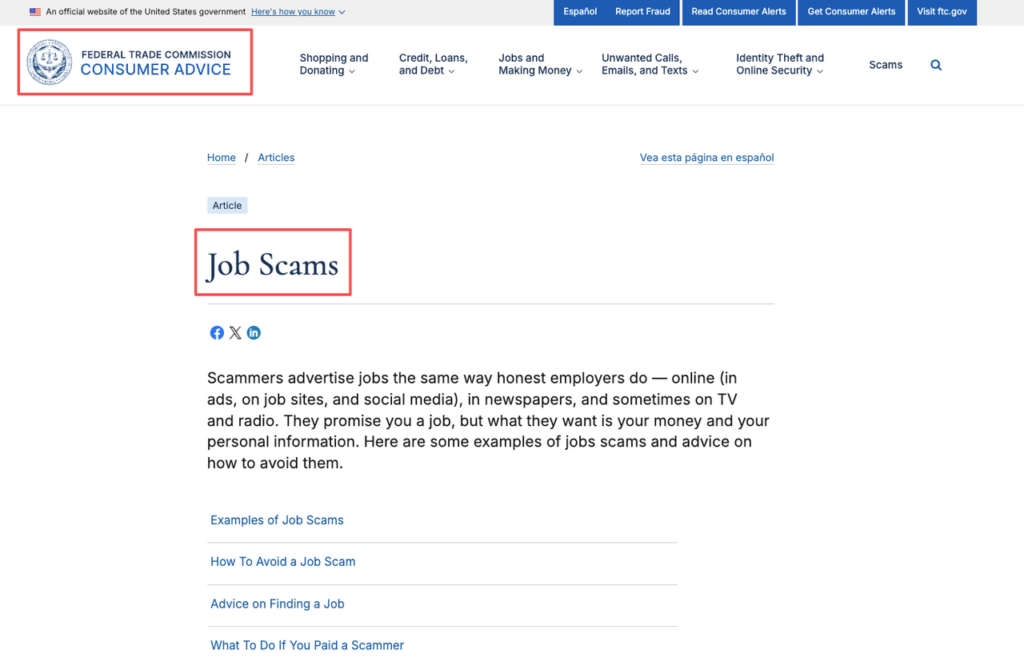
Some remote call center roles are fine. Others are set up to churn people. With the rise in digital hiring, you must also be aware of remote job scams to look out for. If you want stability (or you’re balancing interviews, family, or OPT/CPT deadlines), you need to screen hard against common job scams.
High-pressure sales setups
Watch for these red flags:
- “High earning potential” but no base pay range
- Pay heavily weighted to commission with unclear formula
- Scripts that push urgency or fear
- Short training (like 2–3 days) for complex products
- Reviews mentioning constant write-ups for metrics
Recruiters won’t tell you this, but sales-heavy call centers often measure you on what you can’t control: who answers, who can pay, who is in a buying mood.
If you take one anyway, treat it like a short contract. Set a timeline. Track your own metrics weekly so you can decide with data, not hope.
When broader customer service roles are a better fit
If you’re a tech professional, you may be happier (and build a better story for your resume) in roles like:
- Customer support (SaaS), especially B2B
- Technical support (tier 1), if you can troubleshoot calmly
- Trust & safety or content moderation (less phone-heavy)
- Support operations (tickets + process docs)
These are often advertised as remote jobs no experience required, but the skills translate better back into tech: writing, debugging mindset, and clear value prop.
And for international candidates: while sponsorship is still rare at the entry level, SaaS companies are more likely than random third-party call centers to have a legal process already in place. The key is alignment, not wishful thinking.
Final Take
Call center remote jobs can be a smart bridge. They can also drain your time if you pick blindly.
Who should prioritize call center remote jobs
You should prioritize call center remote jobs if you want:
- Fast hiring cycles and predictable work
- A clear system of metrics you can improve week by week
- A short-term income plan while you keep interviewing
If you need visa sponsorship, be careful. Most remote call center jobs won’t sponsor. If sponsorship is non-negotiable, spend your effort where there’s a realistic path.
What to check before you apply
Before you hit Apply, check:
- Is it inbound or outbound? Phone-only or blended?
- Are the metrics and schedule stated clearly?
- Is it W2, paid training, and stable hours?
- Does your resume match the posting’s keywords for ATS parsing?
Here’s the harsh truth: effort doesn’t beat a broken strategy. A few focused applications, with keyword match, smart listing selection, and one insider connection where possible, will beat 100 random clicks every time.
If you’re like me and you care about steady income and keeping energy for the job you actually want, these roles are worth trying. But skip them if you expect a low-metric, low-pressure vibe. Call centers don’t work that way.
Frequently Asked Questions (FAQs)
What do call center remote jobs usually involve day to day?
Most call center remote jobs revolve around turning customer conversations into measurable outcomes. You’ll handle inbound issues (billing, access, orders, basic troubleshooting) or outbound calls (often sales or collections). Companies track metrics like average handle time, resolution rate, and QA scores, so you must follow workflows without sounding scripted.
Why do applicants get ghosted when applying to call center remote jobs?
A common reason is automated screening. Many call center remote jobs use ATS and basic ranking rules that filter resumes before a human reviews them. If your resume doesn’t match key terms in the posting (CRM, ticketing, QA, de-escalation), you may never reach the phone screen—even if you’re qualified.
Are inbound call center remote jobs better than outbound roles?
Inbound roles are usually more forgiving because customers contact you for help, not persuasion. Outbound work often carries tighter pressure and quota-driven evaluation, and performance depends on factors you can’t control (answer rates, willingness to pay or buy). If you want a steadier bridge job, inbound is typically lower-risk.
What’s the difference between phone-only and blended support in work from home call center jobs?
Phone-only roles are back-to-back calls with minimal breaks, which can increase burnout. Blended support mixes calls with chat/email and tends to feel more sustainable, especially for people coming from tech. It also creates clearer, trackable outputs (tickets closed, response times, CSAT trends) beyond just call volume.
What should I check before applying to call center remote jobs to avoid burnout?
Use a quick scorecard: confirm inbound vs outbound, phone-only vs blended, and whether pay and schedule are clearly stated. Look for transparency on targets (AHT, QA, CSAT), W2 status over 1099, and paid training. Be cautious with “unlimited overtime,” which can signal understaffing and churn.
Do call center remote jobs offer visa sponsorship in the US?
Most entry-level call center remote jobs do not sponsor visas because the cost and process don’t match high-turnover roles. Sponsorship is especially unlikely for seasonal, contract, or 1099 listings. If sponsorship is required, focus on employers with a proven filing history using credible sources like OFLC disclosure data and H-1B databases.