
ChatGPT Careers: How to Use ChatGPT for Career Planning (2026)
Table of Contents
Most tech roles now get filtered by ATS before a human even looks. A 2024 survey showed over 95% of large companies and 75% of mid-size companies use some kind of applicant tracking system. If your strategy is “spray and pray,” the algorithm wins and you lose.
I’m Dora, and in my work as a content strategist, I believe in data over guessing. Here’s the harsh truth I’ve learned: you don’t have a job search problem, you have a career clarity problem. Until you know which roles fit your skills, visa constraints, and salary goals, ChatGPT can’t rescue you from the application black hole. But used correctly, it can be a powerful engine for career planning, role research, and decision-making.
In this guide, I’ll show you exactly how I use ChatGPT for careers: to explore paths, find skill gaps, and make better choices, without pretending it’s a crystal ball or a secret insider connection.
Career Planning vs Job Search – What ChatGPT Helps With
When I talk about using ChatGPT for careers, I’m not talking about “write my resume and I’ll be rich.” That’s fantasy.
When to Use ChatGPT for Career Questions
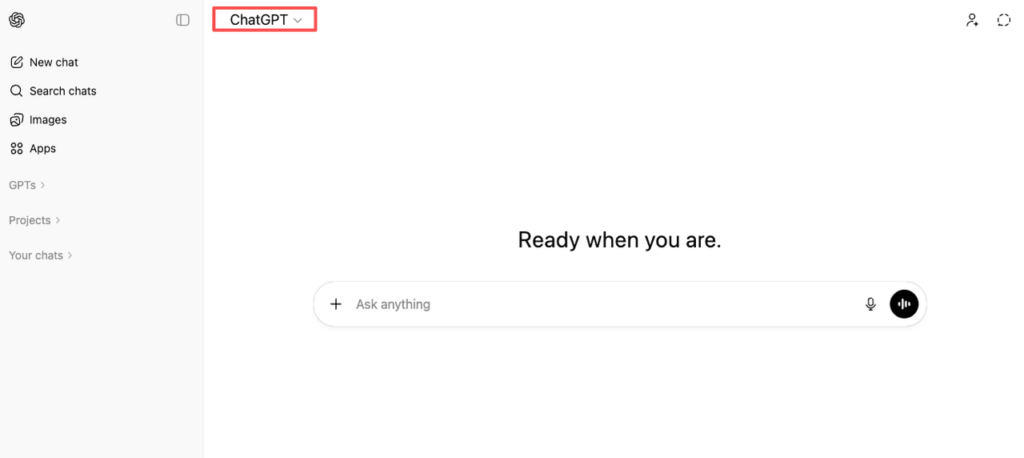
Here’s where ChatGPT gives you high ROI:
- Clarifying direction
If you’re stuck between SWE, data, and product, you can:
- Map your interests to real roles.
- Compare day-to-day work across jobs.
- Pressure-test how each path lines up with H‑1B sponsorship chances and market demand.
- Understanding the market
You can ask for overviews of:
- How AI is changing traditional “chatgpt careers” like prompt engineering, AI product management, or ML ops.
- Typical interview loops for FAANG vs mid-size companies (then verify with engineering blogs like Meta Engineering or Google Developers Blog).
- Building ATS-ready strategy
Recruiters won’t tell you this, but the ATS doesn’t care how “unique” your resume looks. It cares about keyword match and parsing.
- You can paste a job description and ask ChatGPT:
“What are the top 15 skills and keywords this ATS is looking for?”
- Then you align your bullet points to those skills (without lying).
While manual prompting is effective, we can use JobRight.ai to automate this ATS analysis and instantly surface the roles that actually match our specific skill sets.
Stop guessing. Let’s look at the data:
- Levels.fyi compensation data shows top offers go to candidates who already know exactly which role/seniority to target, not those “open to anything.”
- USCIS H‑1B data shows certain roles (software, data) dominate approvals. If your path doesn’t align with sponsorship-heavy roles, your odds drop.
So I use ChatGPT before mass applying, to sharpen my signal and cut noise.
Limitations (No Crystal Ball, No Insider Info)
Now the boundary conditions.
Here’s the harsh truth: ChatGPT doesn’t know which company will sponsor you or which recruiter will reply.
What it can’t do:
- Predict exact H‑1B or green card outcomes (check USCIS.gov for that).
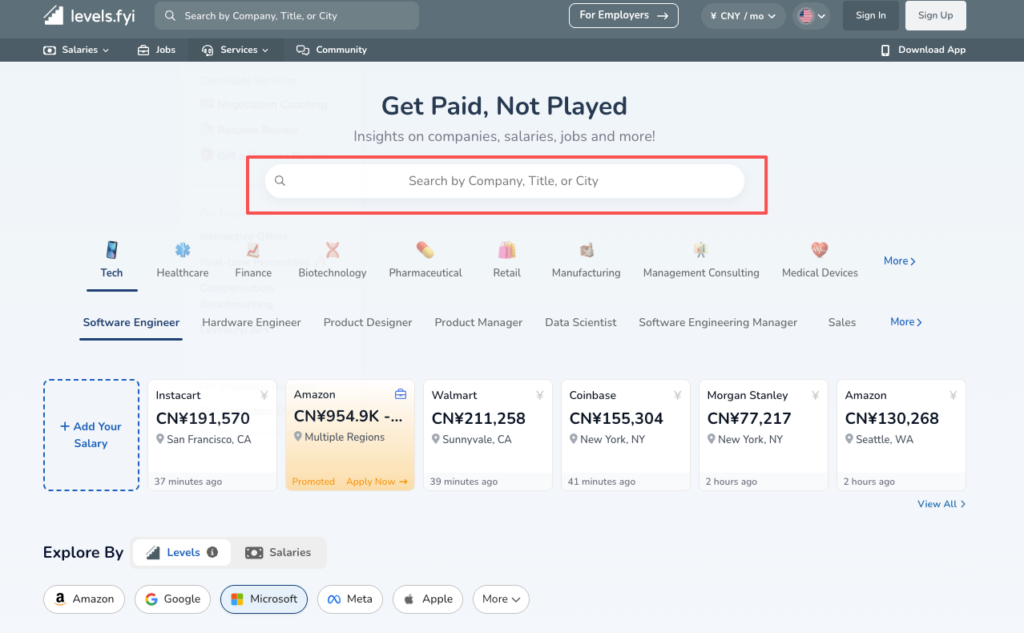
- Give you confidential salary data (use Levels.fyi and LCA data from the US Department of Labor).
- Replace real networking and insider connections.
If you treat ChatGPT as:
- A career GPS: great.
- A lottery ticket: you’ll keep feeding the application black hole.
I use it to clarify, plan, and rehearse, then I take those outputs into real-world conversations, portfolio work, and targeted applications.
Explore Career Paths with ChatGPT
When you search “chatgpt careers” online, you see hype about prompt engineers and AI overlords. Ignore that noise for a second. The real value is using ChatGPT to map your skills to clear, realistic roles.
Career Exploration Prompt (Interests to Roles)
If you’re not sure what you want, this is where I start.
Prompt to use:
I’m a [current role] with [X years] experience. My favorite tasks are [A, B, C]. I dislike [D, E]. My target countries are [list]. I need visa sponsorship: [yes/no]. Suggest 5 realistic tech career paths for me over the next 3–5 years, and for each, list: typical responsibilities, required skills, common titles, and whether this path is often sponsored for H‑1B in the US.
What this does:
- Forces you to quantify what you like and hate.
- Connects interests to sponsorship-heavy roles using known patterns (SWE/Data > random niche roles).
You should fact-check any visa claims against USCIS and official LCA data, but this prompt gives you a structured starting map instead of vague dreams.
Industry Research Prompt
Stop doing this immediately, “I want to work in AI because it’s cool” is not a strategy.
Use this instead:
Prompt to use:
Pick 3 industries where my skills as a [role] are in demand: [brief background]. For each industry, summarize: current hiring trends in 2026, how AI/automation is changing roles, typical ATS keywords used in job postings, and which types of companies are more likely to sponsor visas in the US.
This gives you:
- A signal-first list of industries where your profile converts better.
- A rough ATS keyword set to test your resume against.
I like to turn this output into a small comparison chart:
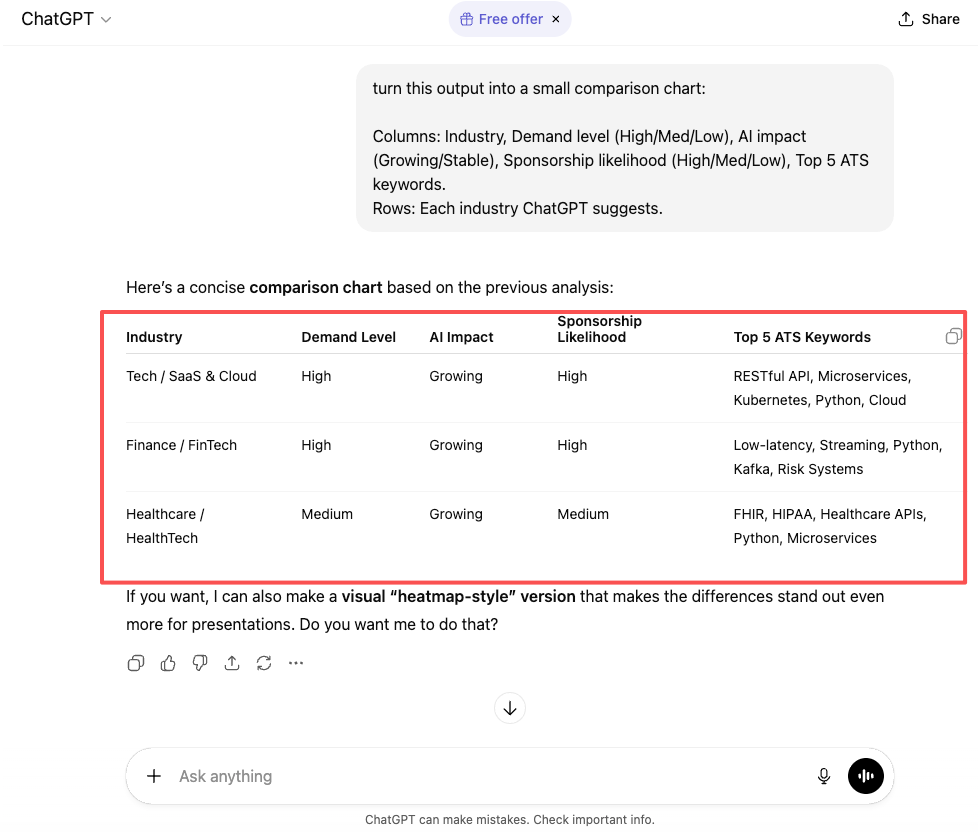
Just reading that table forces you to pick one or two industries instead of applying everywhere.
Role Comparison Prompt
If you’re stuck between two offers or two paths (say, Data Engineer vs ML Engineer):
Prompt to use:
Compare [Role A] vs [Role B] for someone with [background]. Create a table with: day-to-day tasks, most-used skills, typical interview process, remote-work flexibility, average US compensation ranges (label as low/med/high, don’t guess numbers), and long-term visa sponsorship trends based on public data.
You’ll get a side-by-side view that’s much easier to reason about than random Reddit threads. Then you verify comp ranges on Levels.fyi and check visa data via USCIS/DOL.
Recruiters won’t tell you this, but clarity about target role and level is one of the strongest signals you can send in outreach and interviews.
Identify Skill Gaps and Build a Learning Plan
Most people ask, “Is my resume okay?” That’s the wrong question. The right one is: “Does my skill set match what the ATS and hiring manager need?”
Skill Gap Analysis Prompt
Here’s the harsh truth: if you can’t name your top 5 target skills, you’re not job hunting, you’re gambling.
I use ChatGPT like this:
Prompt to use:
I’m targeting [role] positions in [country]. Here is my current skill set: [list]. Here are 3 job descriptions I’m interested in: [paste]. Create a table that compares: skills I already match, skills where I’m partially matched, and skills I’m missing. For each missing or partial skill, rate priority as High/Medium/Low based on how frequently it appears across the 3 postings.
The visual is a 4-column table:
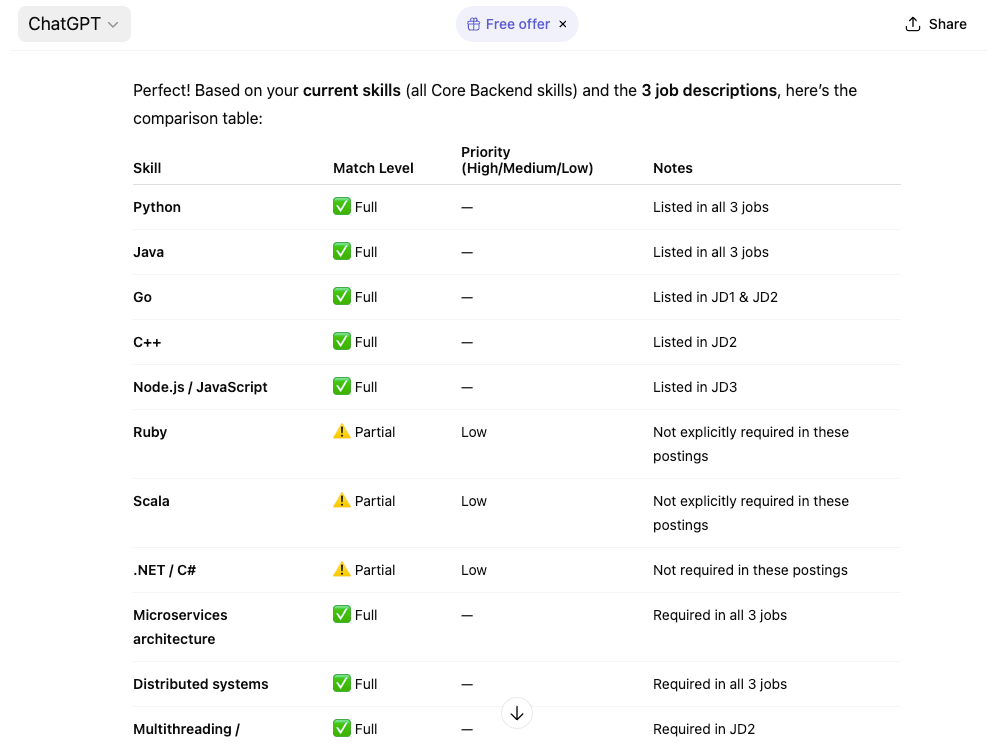
This turns vague doubt into quantified gaps. You can even ask for:
Highlight the top 5 High-priority missing skills that would maximize my interview conversion rate.
Now you know exactly where to invest your next 30–60 days.
30-Day Learning Plan Prompt
Once gaps are clear, I move to short, focused sprints, not massive “learn everything” plans.
Prompt to use:
Based on this skill gap table: [paste], create a 30-day learning plan for a full-time professional. Limit to 1–2 hours per day. For each week, specify: skill focus, concrete learning resources (official docs, top engineering blogs, or reputable courses), and 1 measurable project or deliverable that I can show on my resume or portfolio.
To keep this signal-first, I add constraints:
- Prioritize official docs and reputable sources (e.g., Python docs, AWS docs, Meta/Google engineering blogs).
- Include at least one small project per week I can turn into a portfolio link or GitHub repo.
I then track progress in a simple diagram:
- Week boxes from Week 1 to Week 4.
- Under each, 3 bullets: Skill focus, Resources, Output.
- I color “done” in green, “in progress” in yellow, “blocked” in red.
This diagram makes your growth visible, for yourself, and later in interviews when you talk about your learning strategy.
Make Career Decisions with ChatGPT
Career clarity isn’t a one-time moment: it’s a series of decisions: which offer to accept, whether to move countries, when to switch from IC to PM.
ChatGPT won’t choose for you. But it can help you structure the decision so you’re not ruled by fear.
Pros/Cons Framework Prompt
When I’m torn between options (for example, FAANG contract vs mid-size full-time with sponsorship), I start here:
Prompt to use:
I’m choosing between these options: [Option A details], [Option B details], [Option C details]. My priorities are: [ranked list – e.g., visa stability, compensation, learning, work-life balance, location]. Create a structured pros/cons list for each option, focusing on my stated priorities and ignoring minor factors.
This gives you:
- A filtered pros/cons list that matches your actual values.
- Language you can reuse when you talk to mentors or family.
Important: you still verify salary expectations with Levels.fyi and official LCA data, and you double-check any visa advice against USCIS or an immigration lawyer.
Decision Matrix Prompt
If I’m still stuck, I move to a decision matrix. This is where ChatGPT shines at reducing noise.
Prompt to use:
Using the same options and priorities, build a decision matrix. List options as rows, priorities as columns. Score each option from 1–5 for each priority, and explain each score in one sentence. Then compute a weighted total score based on my priority ranking.
The resulting table (which you can recreate in a spreadsheet) looks like:
| Offer | Visa stability | Compensation | Learning growth | Brand signal | Work-life balance | Location |
| Offer A | ||||||
| Offer B | ||||||
| Offer C |
You see:
- A numeric score for each cell (1–5).
- A brief explanation (“Offers 3 years of H‑1B sponsorship history based on public LCA data”).
- A final weighted score per offer.
Recruiters won’t tell you this, but most candidates never do this level of structured thinking. They choose based on brand or fear. You can do better.
Action challenge: Don’t just nod and close this tab.
Right now, pick one of these prompts:
- Career Exploration,
- Skill Gap Analysis, or
- Decision Matrix.
Open ChatGPT, paste the prompt, customize the brackets with your data, and generate one concrete output today. Then look at that output and ask: “What is one resume change or learning task I can execute in the next 24 hours?”
That’s how you turn “chatgpt careers” from another buzzword into a clear, data-backed strategy that beats the application black hole.
Frequently Asked Questions About Using ChatGPT for Careers
How can I use ChatGPT for career planning instead of just job applications?
Use ChatGPT to clarify direction before you apply: map your interests to realistic roles, compare paths like SWE vs data vs product, analyze which roles are more likely to sponsor visas, and understand market demand. Then build a focused target role list instead of applying randomly to every posting.
What are the limitations of ChatGPT for job search and visa sponsorship decisions?
ChatGPT can’t predict who will hire you, which company will sponsor you, or exact H‑1B/green card outcomes. It also doesn’t have confidential salary data. Use it for structure—career paths, skill gaps, decision frameworks—then verify visas on USCIS.gov and salaries on Levels.fyi and official LCA data.
How do I use ChatGPT to identify skill gaps for my target role?
Paste 2–3 target job descriptions plus your current skills into ChatGPT and ask for a table showing matched, partial, and missing skills with priority levels. This converts vague doubt into a ranked gap list, so you can design a 30‑day learning plan focused on high-impact, frequently requested skills.
Can ChatGPT actually improve my chances with ATS and online applications?
Yes—if you use it correctly. Have ChatGPT extract the top skills and keywords from each job description, then align your resume bullets to those terms without exaggerating. This improves ATS keyword match and relevance. It won’t replace networking, but it can significantly sharpen your application quality and targeting.
Are “ChatGPT careers” like prompt engineering still worth pursuing in 2026?
Standalone prompt engineering roles are maturing, but broader AI-related careers are stronger bets: AI product management, ML ops, data/ML engineering, and software roles that integrate LLMs. Treat “chatgpt careers” as AI-augmented tech paths, not a single hype job title, and build durable fundamentals in software, data, and systems.
Recommended Reads