
CVS Health Remote Jobs: Teams, Roles & Remote Fit
Table of Contents
If you’ve spent any time scrolling through job boards lately, you already know the massive headache of searching for CVS Health remote jobs. You excitedly click on a promising listing, only to bury yourself in the fine print about strict geographic restrictions, mandatory wired internet setups, and rigidly fixed shift blocks. It’s exhausting. My name is Dora, and I’ve dug through thousands of these misleading postings so you don’t have to. I don’t just guess; I verify. In this breakdown, we’re going to cut through the corporate jargon to uncover the real teams, the daily realities, and the hidden requirements of CVS Health work from home jobs, so you can finally figure out if it’s a genuine fit for your lifestyle before hitting apply.
What Counts as a CVS Health Remote Job?
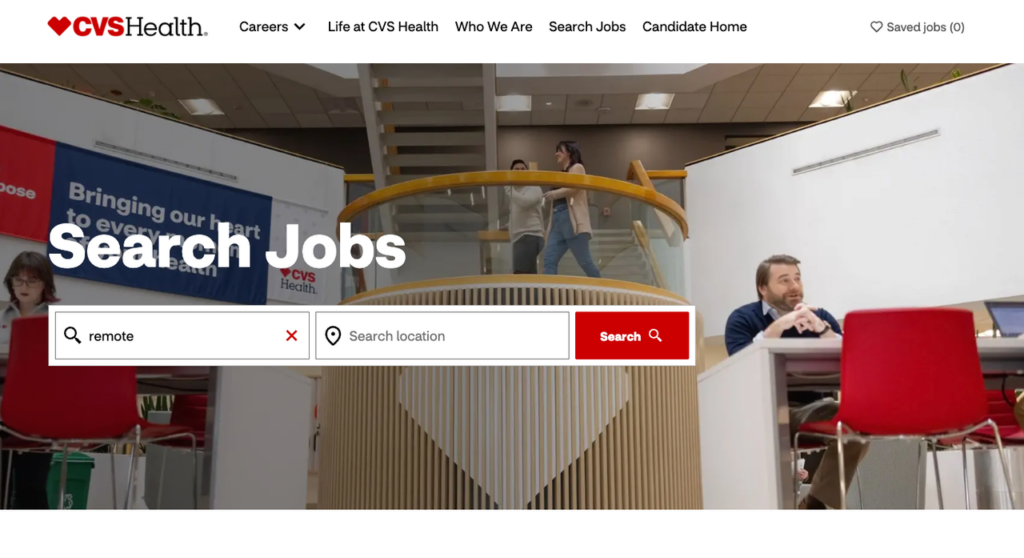
When people search for CVS Health remote careers, they’re often imagining one clean category: fully remote jobs you can do from home with a laptop, a headset, and decent Wi-Fi. In practice, it’s messier than that.
Some listings are truly home-based, some are hybrid, and some are remote within a limited geographic area. And some sit under the broad CVS Health umbrella but belong to very different parts of the business, which changes the actual nature of the work quite a bit.
Customer support, operations, and corporate functions
At a high level, CVS Health remote jobs usually fall into a few buckets.
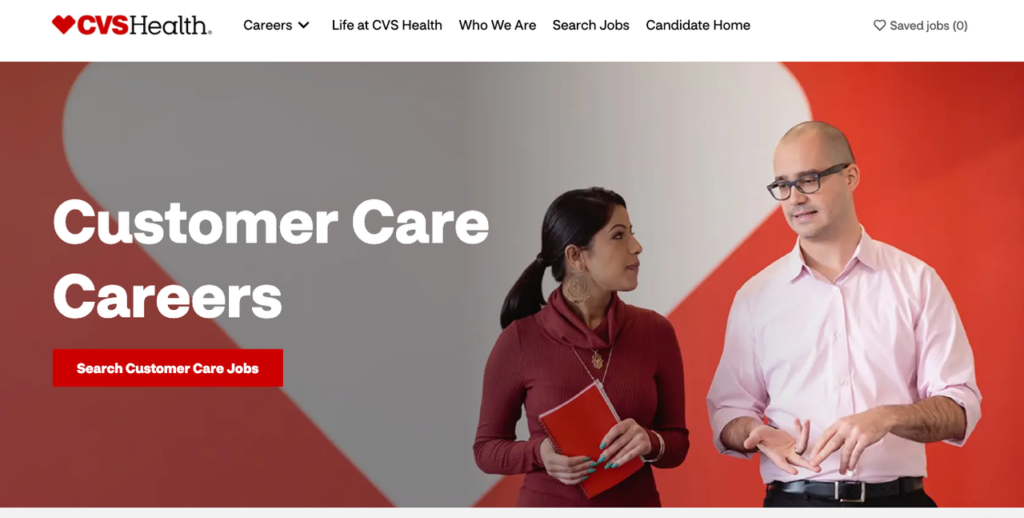
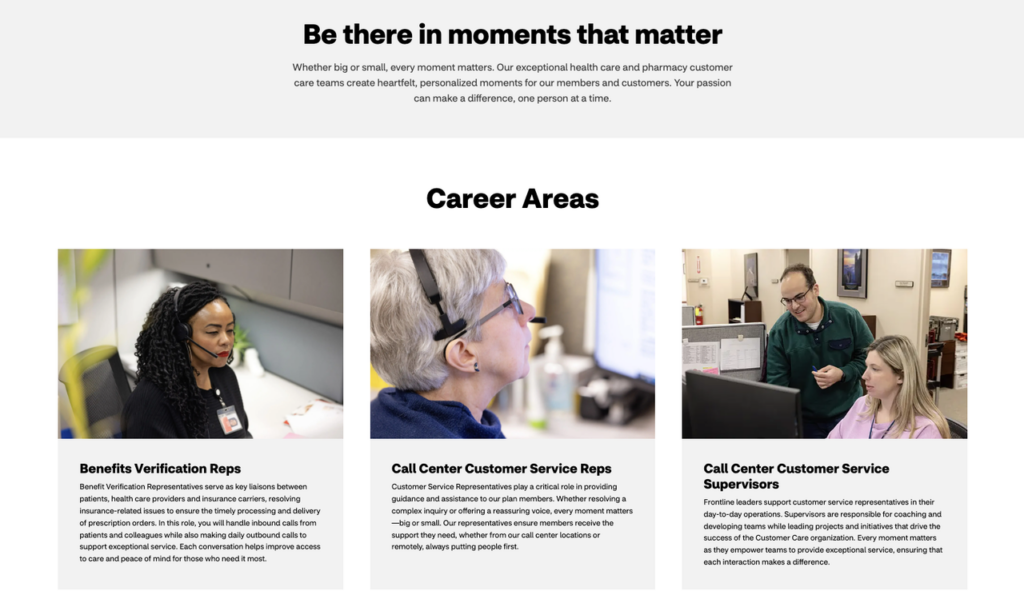
The first is customer and member support. These are the roles most people picture when they search for CVS customer care remote jobs: helping members, handling account questions, explaining benefits, resolving billing or claims-related issues, or routing people to the right internal team. If you’ve worked in service-heavy environments before, these are often the most recognizable listings.
Then there are operations and coordination roles. These can include administrative support, case coordination, scheduling, documentation, claims-related processing, pharmacy-adjacent support, and other workflow-centered jobs. These aren’t always flashy job titles, but they’re often where process discipline matters more than personality.
And then there are the corporate functions, the side people sometimes forget exists when they search for CVS corporate remote jobs. Depending on current hiring needs, that can include project coordination, analytics, tech, HR, finance, compliance, marketing, or other business support roles. These jobs usually ask for more specialized experience and tend to read very differently from front-line member support roles.
Why healthcare brand searches often mix very different role types
This happens a lot with large healthcare employers. The company name is familiar, so people search broadly. But healthcare brands don’t hire for just one kind of remote work.
A support representative, a care coordinator, a claims specialist, and a corporate analyst might all technically show up in the same search for CVS Healthwork from home jobs. That doesn’t mean they require the same background, offer the same schedule flexibility, or involve the same pressure.
I’ll be honest, this is where a lot of job seekers lose time. A listing may sound remote and promising until you notice the hidden qualifiers: certain licenses preferred, fixed shift windows, prior health plan experience, call-center metrics, or multi-system documentation requirements. None of that makes the role bad. It just means you need to read beyond the headline.
If you’re serious about finding a good fit, treat CVS Health remote jobs less like one category and more like a label covering several very different work styles.
The Main Types of CVS Health Remote Jobs
Once I looked past the broad search term, the patterns became clearer. Most CVS remote jobs tend to cluster around service, process management, and healthcare-adjacent support.
Member support and service-focused roles
This is usually the most visible category. Member service representatives and similar positions often involve high-volume communication, problem-solving, documentation, and strict adherence to approved processes. In plain English: you’re helping people who have questions, confusion, or issues, and you’re expected to handle those interactions carefully and consistently.
For the right person, that can be stable, straightforward work. But I’d pay attention to what kind of service role it is.
Some CVS customer service remote jobs are heavily phone-based. Others blend calls with chat, email, or case follow-up. Some center on insurance or benefits questions. Others focus on pharmacy support or plan navigation. That difference matters more than people think. A benefits-heavy role may require comfort explaining structured information repeatedly, while a general support role may lean more on de-escalation and quick issue triage.
If you’ve worked in customer support, contact centers, healthcare administration, or insurance service, these jobs may feel familiar, and if you haven’t, the learning curve could be steeper than the listing suggests.
If you are looking for a concrete example, this active CVS customer service remote job illustrates the typical balance of phone handling and documentation requirements in a large-scale healthcare environment.
Operations, coordination, and specialized healthcare support roles
This category is where CVS Health remote careers get more interesting, and often more specific.
You’ll see roles tied to case coordination, utilization support, claims workflows, documentation review, quality processes, scheduling, and cross-team communication. Some positions may support clinicians or internal healthcare teams rather than members directly. Others may sit in a back-office lane where the job is less about constant conversation and more about getting details right, every time.
These roles can be appealing if you prefer structured work over nonstop live interactions. But they often ask for prior experience with regulated processes, healthcare terminology, medical documentation, benefits systems, or compliance-heavy environments.
That odd line aside, and yes, I noticed it, too, the bigger point is that specialized support jobs often hide their difficulty behind neutral titles. “Coordinator” can mean a calm admin role in one company and a multi-system, deadline-driven job in another. I’ve seen enough listings to know the title is not the job.
So when reviewing CVS Healthwork from home jobs, I’d focus less on the name and more on the daily rhythm: Is it queue-based? Is it metrics-heavy? Does it require documentation across multiple systems? Are you supporting members, providers, internal teams, or all three? That’s what tells you whether the role will actually suit you.
What CVS Health Hiring Usually Looks For
Large healthcare employers usually hire for reliability first. That may not sound exciting, but it’s true. And in remote roles, reliability tends to show up as communication, precision, and the ability to follow regulated workflows without constant supervision.
Accuracy, communication, and regulated workflow experience
Across many CVS Healthremote jobs, the recurring theme is accuracy under structure. Can you document interactions correctly? Can you follow scripts or approved guidance when needed? And can you communicate clearly without creating confusion or risk?
That doesn’t just apply to service roles. It shows up in operational and corporate jobs too. Healthcare-adjacent companies tend to value people who can work within established systems, handle sensitive information responsibly, and keep details straight even when the volume is high.
If I were tailoring an application, I wouldn’t waste space with generic claims about being a “people person.” I’d highlight the things healthcare hiring teams actually care about:
- experience handling complex customer or member issues
- comfort with documentation and multiple software systems
- ability to work in deadline-driven or metric-based environments
- familiarity with privacy-sensitive information
- consistency in remote communication and follow-through
That’s especially relevant for CVS corporate remote jobs too. Even when the role isn’t customer-facing, employers still tend to want evidence that you can function in process-heavy environments where precision matters.
Why healthcare process familiarity matters
This is the part many applicants underestimate. Healthcare work doesn’t just come with “tighter rules”—it operates under strict federal regulations, which leaves zero room for improvising.
According to the U.S. Bureau of Labor Statistics (BLS), roles involving health information and medical records require a high degree of precision in data management, coding, and confidentiality. You aren’t just taking calls; you are handling sensitive Patient Health Information (PHI).
Because of this, remote CVS Health workers must adhere strictly to the HIPAA Privacy Rule outlined by the HHS. In a remote setting, this often translates to mandatory requirements like:
- Working in a completely private room with a locking door.
- Using hardwired Ethernet connections rather than shared or public Wi-Fi.
- Ensuring screens are angled away from windows or family members.
I always give a fair shot when comparing job listings. But when I compare healthcare roles to general remote customer support, the difference is stark: healthcare employers don’t treat process discipline as an optional soft skill. It is a legal necessity.
That means experience in insurance, pharmacy support, medical administration, or any similarly regulated environment carries immense weight. If the job description keeps repeating terms tied to compliance, secure systems, or benefit workflows, believe it. They are looking for someone who already knows how to operate inside a legally structured environment without needing to be micromanaged.
Where to Find Better-Fit CVS Health Listings
If I were actively applying, I wouldn’t rely on broad search results alone. They’re fine for spotting volume, but not for finding the roles you’re most likely to land, or tolerate.
The better approach is to compare live listings directly on the company careers site and then cross-check with trusted job platforms like LinkedIn’s CVS Health remote job postings if needed. That lets you see how CVS Health groups openings by function, team, and qualifications, which is usually more useful than searching CVS remote jobs as one giant pile.
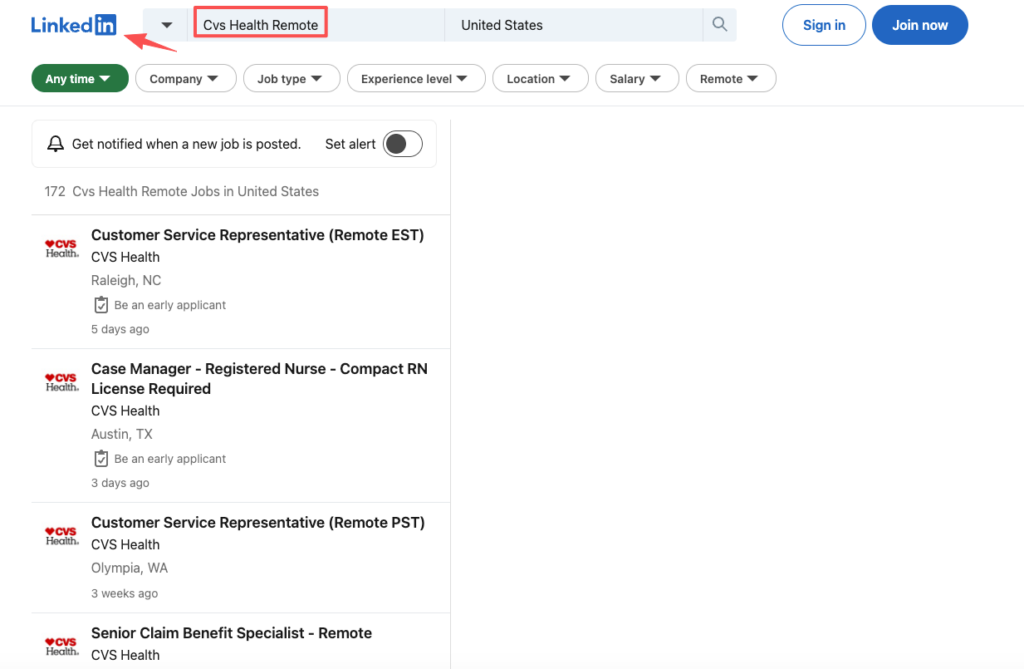
How to compare live listings by team and workload
This is how I’d do it without turning the process into a second job.
First, scan for the team or business function. A member-facing support team has a different pace from a back-office operations team. A corporate analytics role has almost nothing in common with a service queue, even if both are technically remote.
Second, read for workload clues. This is the bit most people miss. Listings often hint at the real day-to-day through phrases like:
- high-volume inbound calls
- productivity or quality metrics
- case management deadlines
- cross-functional coordination
- rotating schedules or weekends
- licensing or certification requirements
That language tells you far more than the title.
Third, compare qualifications against your actual background, not your aspirational one. If a role strongly prefers healthcare systems experience and you’ve mainly worked general admin, that’s worth noting before you spend an hour rewriting your résumé.
And fourth, watch for remote fine print. Some CVS Health remote jobs are remote only in certain states or regions, or they require specific home office setups, fixed hours, or travel for training. I mostly work from home myself, with the occasional trip and 3–5 video calls a week, so I pay attention to schedule reality fast. A role can sound flexible until you realize it anchors your entire day.
If you want better-fit CVS Health remote careers, compare listings like you’re trying to understand the work, not just win the keyword search. It saves time, and usually a bit of disappointment too.
Decoding healthcare job descriptions takes time you might not have. Explore Jobright.ai for free to let our system analyze CVS listings against your resume. See if our approach makes your search a bit more straightforward.
Final Take
After reviewing the landscape, my view is pretty simple: CVS Health remote jobs can be a solid option if you like structured work, can handle process-heavy environments, and don’t mind expectations that are usually clearer, and stricter, than in a lot of general remote roles. It’s also incredibly helpful to read employee reviews of remote CVS Health roles to understand the reality of the day-to-day work from people currently in those positions.
Who should prioritize CVS Health remote jobs
I’d put these higher on the list if you already have experience in customer support, insurance, healthcare administration, pharmacy support, claims, benefits, or any job where documentation and accuracy mattered daily.
They also make sense for people who prefer clearly defined responsibilities over vague startup-style everything-jobs. If you like knowing the rules, following a process, and being measured against specific standards, there’s a decent chance some of these roles will feel familiar rather than frustrating.
For service-oriented applicants, CVS customer service remote jobs may be the most accessible entry point. For more specialized candidates, operations and corporate paths may be the better long-term fit.
What to check before you apply
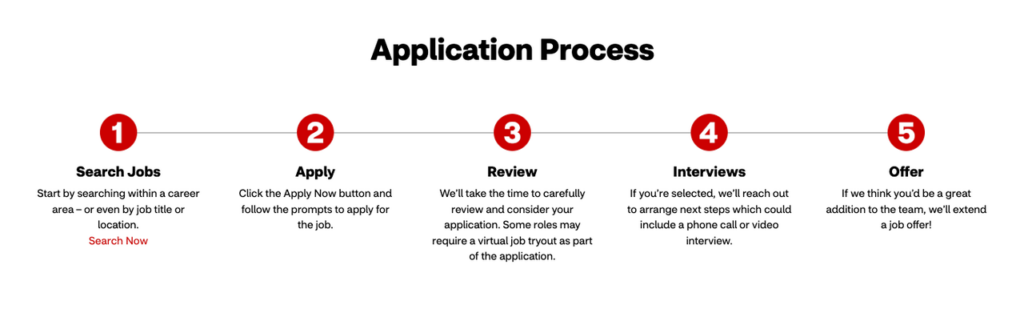
Before applying, I’d check five things:
- Whether the role is fully remote or conditionally remote. Don’t assume.
- What the work actually centers on. Calls, cases, coordination, analysis, or compliance all create very different days.
- Whether healthcare experience is preferred or essential. There’s a difference.
- How schedule-specific the role is. Fixed hours can be fine: hidden rigidity is less charming.
- What success is measured by. Speed, quality, accuracy, satisfaction scores, or throughput all point to different pressures.
That’s my colleague-level verdict: if you want loosely defined, highly flexible remote work, these listings may not be your first choice. But if you want structured CVS Healthwork from home jobs with clearer expectations and you’ve got the background to match, they’re absolutely worth a closer look.
The result is fine. Not dramatic. Just: clear enough to know whether it’s worth your time. Which, honestly, was all I needed.
Frequently Asked Questions About CVS Health Remote Jobs
What counts as a CVS Health remote job?
CVS Health remote jobs can include fully home-based roles, hybrid positions, or jobs that are remote only within certain states or regions. That’s why it’s important to read the listing details carefully instead of assuming every CVS Health work from home job offers the same flexibility.
What types of CVS Health remote jobs are most common?
Most CVS Health remote jobs fall into three broad categories: customer or member support, operations and coordination, and corporate functions. Common examples include CVS customer service remote jobs, claims or case support roles, scheduling and documentation work, plus specialized jobs in analytics, HR, finance, and compliance.
What does CVS Health usually look for in remote candidates?
CVS Health remote careers often prioritize reliability, accuracy, and clear communication. Many roles also value experience with documentation, multiple systems, privacy-sensitive information, and regulated workflows. For healthcare-related openings, background in insurance, pharmacy support, medical administration, or benefits operations can make you a stronger fit.
How can I tell if a CVS Health work from home job is actually a good fit?
Look beyond the title and scan for workload clues like high-volume calls, quality metrics, case deadlines, rotating schedules, or licensing requirements. The best way to evaluate CVS Health work from home jobs is to compare the daily tasks, success metrics, and qualifications against your real experience.
Are CVS customer service remote jobs fully remote?
Not always. Some CVS customer service remote jobs are fully home-based, while others may be hybrid, location-restricted, or tied to fixed schedules and home office requirements. Always check for fine print on training, state eligibility, shift windows, and whether the role involves phone-heavy performance metrics.
Recommended Reads