
Dental Remote Jobs: Roles, Reality & What to Check
Table of Contents
Have you ever typed “remote dental jobs” into a search bar, excited by the endless pages of results, only to realize half of them are actually hybrid bait-and-switches? It’s incredibly frustrating. I constantly hear from job seekers who are exhausted by applying to “dental work from home jobs” that secretly require three days at the front desk. You’re not doing anything wrong; the system is just noisy. My name is Dora, and I spend my days analyzing job market data to separate the real remote opportunities from the disguised in-office roles. In this guide, we are going to cut through the confusion. I’ll show you exactly which dental roles actually let you work in your sweatpants, what hiring managers are secretly screening for, and how to spot a fake remote listing before you waste your time applying. If you’re specifically interested in billing work, remote dental billing jobs represent one of the most stable and measurable segments of this market.
What Counts as a Dental Remote Job?
When most people hear “dental job,” they picture a hands-on clinic role. That’s the first mismatch. A lot of dental work depends on physical care, which means only some support functions can move online.
Administrative, insurance, and patient-facing support roles
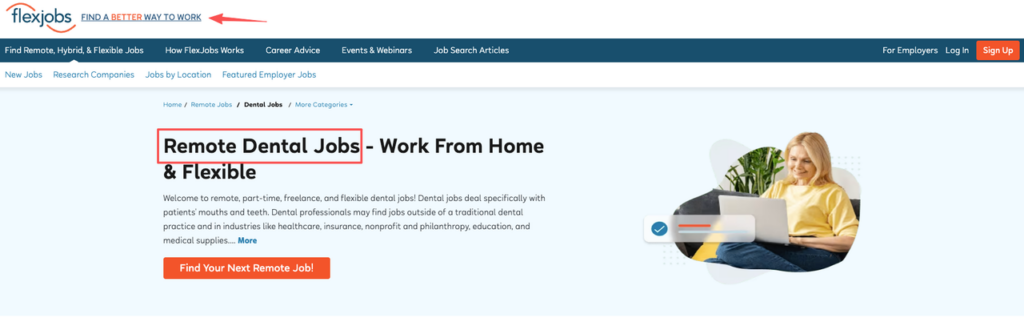
In practice, most dental work from home jobs sit on the admin and support side. Think scheduling, insurance verification, claims follow-up, billing support, treatment coordination calls, patient reminders, and customer support for dental groups or insurance plans.
I’d put these into three buckets:
- Administrative work: appointment setting, intake follow-up, updating charts, managing inboxes
- Insurance and revenue cycle work: claims review, eligibility checks, prior authorizations, billing questions, payment posting
- Patient-facing support: phone support, care coordination, answering benefit questions, post-visit follow-ups
These roles are common because the mechanism is simple: the work happens in software, on phones, and in workflows that can be tracked with metrics. Employers can measure call volume, claim resolution speed, error rate, and conversion rate on appointment bookings. That makes remote oversight easier.
Some larger dental service organizations, benefit administrators, and insurance carriers also hire for remote dental support jobs tied to member services or provider operations. Those can be more stable than small private office roles because the process is already standardized.
Why many dental jobs are not fully remote
Here’s the harsh truth: many dental roles can’t be remote because the core job requires hands-on care. Dental assistants, hygienists, lab roles involving physical materials, and chairside support have to happen in person.
Even some office jobs stay on-site because the office has old systems, paper-heavy workflows, or a manager who wants staff physically present. Parsing charts, scanning forms, collecting co-pays, and handling walk-in patients still pull many jobs back into the office.
Recruiters won’t tell you this, but some listings use “remote” loosely. They may mean remote for training, remote for part of the week, or remote only if you live near a specific office. That’s why keyword match alone is not enough when searching remote dental jobs. You have to read the workflow details, not just the title.
The Main Types of Dental Remote Jobs
If you want a cleaner search strategy, focus on the job families that show up again and again. That’s where your optimization effort pays off.
Scheduling, billing, and insurance-related work
This is the biggest cluster. You’ll often find roles like:
- Remote scheduler
- Dental billing specialist
- Insurance verification specialist
- Claims coordinator
- Revenue cycle support
- Patient account representative
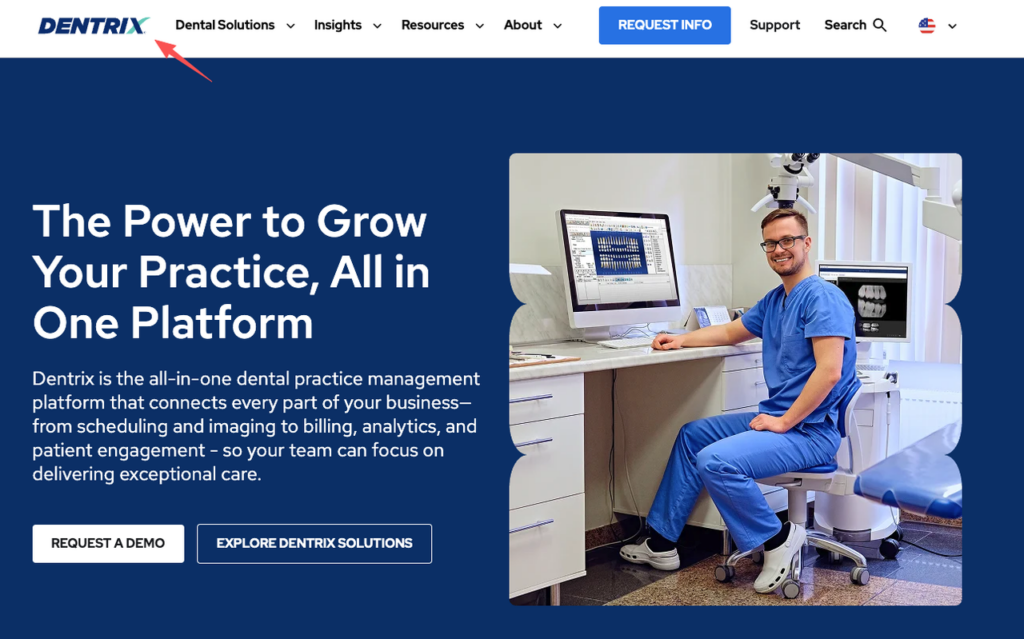
A lot of dental admin remote jobs live here. The daily work usually involves practice management software like Dentrix, phone systems, spreadsheets, insurer portals, and tight process rules. Accuracy matters. Speed matters too.
This is also where dental insurance remote jobs stand out. Insurance-heavy roles can be more remote-friendly because they follow structured rules and clear documentation paths. If a company can measure your output through claims handled, turnaround time, denial rate, and audit accuracy, remote work becomes easier to justify.
In consulting work, I’ve seen candidates undersell this experience. They’ll say, “I answered calls and checked benefits.” That’s weak. A stronger value prop is: “Managed insurance verification for 40 to 60 patients per day, reduced eligibility errors, and improved front-end claim accuracy.” Quantify the work. Metrics give employers confidence.
Support roles tied to dental providers and plans
The second cluster includes support jobs connected to dental groups, DSOs, insurers, and benefits companies. These may include:
- Provider support specialist
- Member services representative
- Treatment coordinator
- Case support associate
- Dental customer care representative
These jobs often sit between the patient, provider, and payer. You may help a patient understand coverage, support a provider office with claim status, or resolve plan questions. Some roles lean call-center, while others are more operations-focused. If you want to see what this looks like in practice, here’s an example of a current remote scheduling role that shows typical responsibilities and how larger healthcare organizations structure staffing workflows.
For job seekers moving from another field, this is where transfer skills can help. If you’ve worked in customer support, healthcare operations, or claims processing, there may be alignment. But don’t assume any support job qualifies you. Employers usually want proof that you can handle dental terms, insurance logic, and patient communication without slowing down the workflow.
That’s the big filter. Not all support experience converts into remote dental support jobs unless your background matches the actual system and process needs.
What Employers Usually Look For
If you’re applying to dental remote jobs, employers are not just hiring a pleasant voice on the phone. They’re hiring someone who won’t break the workflow.
Accuracy, patient communication, and workflow familiarity
The top signals are usually simple:
- Strong written and phone communication
- Accurate data entry
- Comfort with scheduling and insurance systems
- Ability to follow repeatable workflows
- Calm handling of patient issues
That sounds basic, but the algorithm behind hiring often favors these terms because they map to daily risk. One wrong date, one missed eligibility check, or one sloppy note can create billing delays or patient frustration.
So your resume needs keyword match around the actual work: ATS, scheduling, claims, insurance verification, patient communication, EHR or practice management systems, billing, collections, and documentation. That doesn’t mean stuffing keywords. It means showing clear alignment.
For example, instead of writing:
- “Helped with office tasks”
write:
- “Handled appointment scheduling, insurance verification, patient follow-up calls, and chart updates in a fast-paced dental office.”
See the difference? One version says nothing. The other helps both human reviewers and ATS parsing.
Why dental office or insurance experience helps
Most employers prefer candidates with direct exposure to dental workflows. That could mean experience in a dental office, an orthodontic practice, an insurance carrier, or a healthcare billing team.
Why? Because training takes time, and dental offices are usually lean. Managers want someone who already understands terms like PPO, waiting period, breakdown of benefits, claim denial, and pre-treatment estimate.
If you lack that background, you’re not automatically out. But you do need a bridge story. Maybe you worked in medical billing, maybe you handled insurance calls, and maybe you supported a high-volume healthcare desk and can show accuracy metrics. The point is to reduce perceived risk.
Here’s the harsh truth: if a listing asks for dental experience and you have none, spraying applications won’t fix that. Your strategy should shift. Target entry-level support roles, emphasize adjacent healthcare experience, and tailor your resume for each posting. That’s how you improve conversion rate, not by sending 200 generic applications.
We know an AI cannot give you dental billing experience if you have none. But if you have transferable skills, Jobright.ai can help you translate them into an ATS-optimized resume. See how we can structure your background for your next application.
Where to Find Better-Fit Dental Listings
Most people search too wide. Then they wonder why the listings feel fake, mismatched, or impossible to land.
A better strategy is to check a few types of employers:
- Large dental support organizations and multi-location groups
- Dental insurance carriers and benefit administrators
- Healthcare BPO and revenue cycle companies
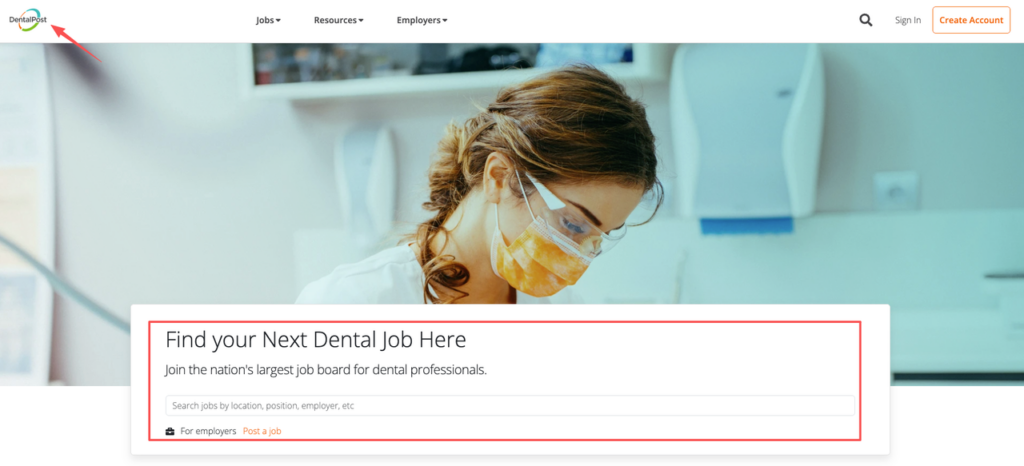
- Major job boards with remote filters, including dental-specific job boards like DentalPost that focus exclusively on the dental industry
- iHireDental, which aggregates dental-specific listings and allows targeted remote filtering
- Employer career pages directly
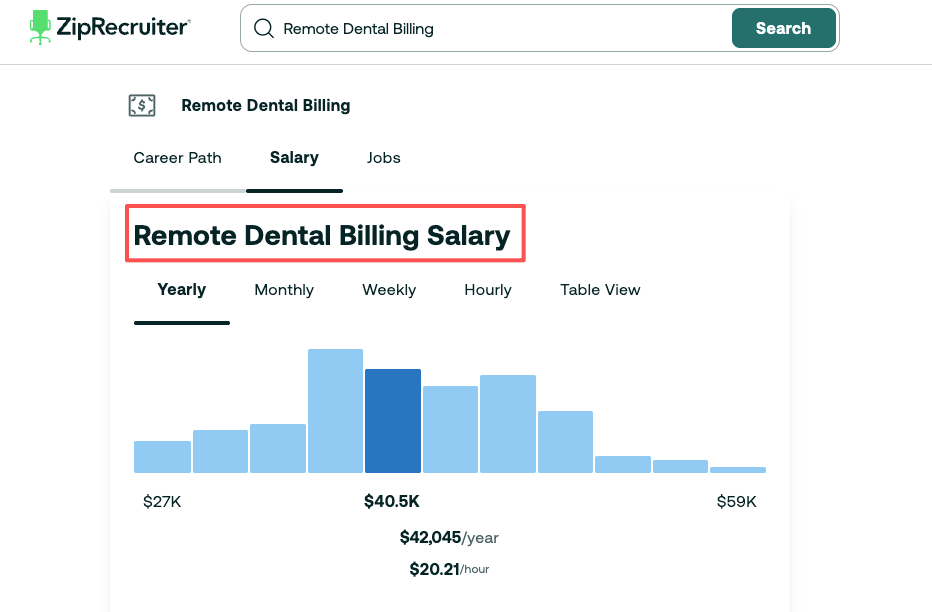
Before you apply, it’s also worth benchmarking compensation. Public remote dental billing salary data can help you evaluate whether an offer is competitive before you invest time in the interview process.
If visa sponsorship matters to you, be extra careful. Many dental support roles are not built for sponsorship, especially at smaller practices. For international candidates, it’s smarter to verify whether the employer has a sponsorship history before investing hours. Public data tools like the U.S. Department of Labor disclosure data and employer immigration history platforms can help you avoid dead ends.
Also, if the role touches insurance, claims, or healthcare privacy, check whether the employer expects U.S. work authorization without future sponsorship. A lot of postings hide that line near the bottom.
How to judge whether a dental role is truly remote
This part matters more than people think. Some dental work from home jobs are remote in title only.
I look for these signals:
- The posting says fully remote, not hybrid or remote possible
- It lists remote workflow tools, not front-desk walk-in duties
- It explains phone, billing, claims, or coordination tasks clearly
- It does not require daily handling of physical paperwork or in-office patient check-in
- It names time zone requirements or home office setup expectations
Red flags include phrases like:
- “May assist at the office as needed”
- “Remote after training” with no timeline
- “Must live within commuting distance”
- “Front office support including patient arrival and check-in”
Recruiters won’t tell you this, but a vague remote listing often signals messy internal planning. And messy planning usually means a messy job.
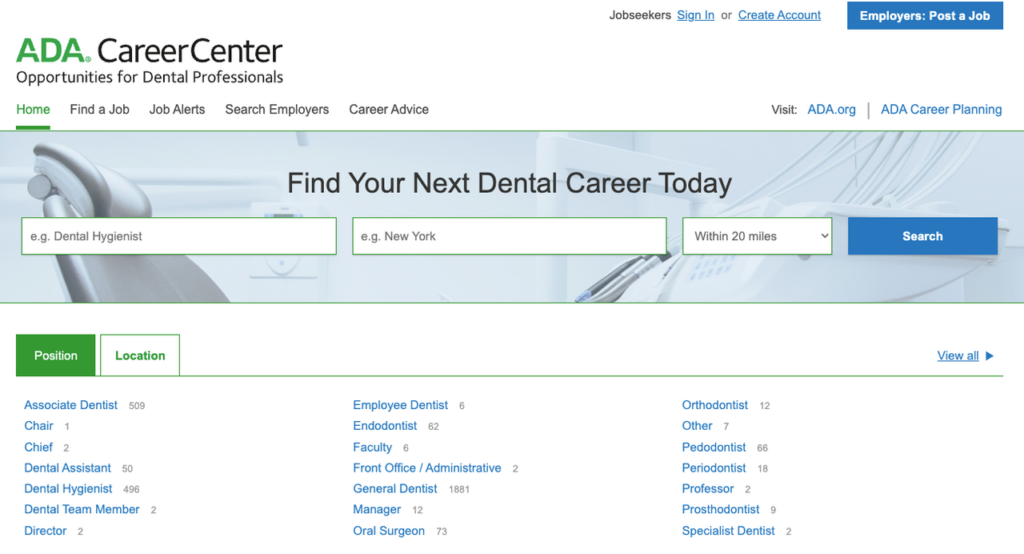
Before you apply, check the company website, read employee reviews carefully, and compare the job ad against official role descriptions if available. The American Dental Association career center and major insurers’ career pages can also help you understand how these roles are framed in the real market. That context helps you spot inflated or misleading job titles faster.
Final Take
If you’re hoping for a huge world of fully remote clinical dental jobs, that market doesn’t exist. But if you’re open to admin, insurance, scheduling, and support work, there are real options.
Who dental remote jobs suit best
These roles tend to fit people who are:
- Detail-oriented
- Comfortable on calls and in structured workflows
- Familiar with billing, scheduling, or insurance rules
- Steady under pressure
- Fine with repetitive process work tied to metrics
In other words, remote dental jobs suit people who can stay accurate without constant supervision. If you like clear systems, defined tasks, and measurable ROI, you may do well here.
What to check before you apply
Before you hit apply, slow down and ask:
- Is the role actually fully remote?
- What software or systems does it require?
- Does it want dental office, insurance, or billing experience?
- Is compensation aligned with the workload?
- If you need sponsorship, does the employer have any record of offering it?
Stop guessing. Let’s look at the data. The strongest applications for dental admin remote jobs and dental insurance remote jobs are the ones that show direct alignment, clean keyword match, and measurable past work.
My advice is simple: don’t mass apply. Build a focused list, tailor your resume for ATS parsing, and go after roles that match your background for real. That’s how you avoid the application black hole and give yourself a fair shot.
Frequently Asked Questions About Dental Remote Jobs
What counts as a true dental remote job?
A true dental remote job is work that can be done fully online without in-office patient care or front-desk duties. Most dental remote jobs involve scheduling, billing, insurance verification, claims follow-up, treatment coordination, or patient support using software, phone systems, and documented workflows.
Which dental remote jobs are most common?
The most common dental remote jobs are remote scheduler, dental billing specialist, insurance verification specialist, claims coordinator, revenue cycle support, patient account representative, treatment coordinator, and dental customer care roles. These jobs are more remote-friendly because employers can track output, accuracy, and turnaround times through clear performance metrics.
Why are so many listings for dental work from home jobs actually hybrid?
Many listings use “remote” loosely, even when the role still includes office-based tasks like patient check-in, paper handling, scanning forms, or collecting payments. Some employers also have outdated systems or want local hires for flexibility, so reading the full workflow details matters more than the job title alone.
What do employers look for when hiring for dental remote jobs?
Employers usually want accurate data entry, strong phone and written communication, familiarity with scheduling or insurance systems, and the ability to follow repeatable workflows. Experience with dental offices, billing, claims, EHR platforms, or practice management software can make candidates stronger for dental remote jobs.
Can I get a dental remote job without dental office experience?
Yes, but it is usually easier if you can show related healthcare experience. Backgrounds in medical billing, insurance calls, healthcare customer support, or revenue cycle work can help. To compete, explain your transferable skills clearly and tailor your resume to the exact dental remote job requirements.
Recommended Reads