
Kaiser Remote Jobs: Roles, Requirements & Remote Reality
Table of Contents
Picture this: you’re optimizing your resume, targeting the latest Kaiser remote jobs, and feeling incredibly confident about your tech background. You submit your profile for what looks like the ideal Kaiser Permanente work from home job, dreaming of finally ditching your commute. Then… crickets. Sound familiar? I’m Dora, I constantly review candidate journeys, and this specific “remote reality” trap is incredibly common. You’re likely getting caught in the translation gap. You see “remote”; the ATS sees “needs to live within 50 miles of a clinic for compliance reasons.” Navigating healthcare hiring requires a completely different playbook focused on operations, regulated workflows, and strict location boundaries. Let’s walk through exactly how you can spot the true remote roles, align your background, and stop feeding the application black hole with your free time.
What Counts as a Kaiser Remote Job?
When most people picture remote work, they think fully location-free. That’s not always how Kaiser remote careers work.
In many cases, a Kaiser remote job means you work from home within an approved state or metro area. The role may be remote for daily work, but still require local training, occasional office visits, or licensing tied to a region. Recruiters won’t tell you this, but the word remote in healthcare often comes with fine print.
Administrative, support, and healthcare operations roles
The most common Kaiser healthcare remote jobs are not broad “work from anywhere” positions. They usually sit in administrative and operational teams. Think scheduling, member services, patient support, claims-related coordination, referral processing, case support, and other back-end functions.
These jobs often rely on systems work, documentation, phone support, and process accuracy. In ATS terms, the keyword match usually leans toward EMR familiarity, scheduling platforms, health plan support, compliance, documentation, and customer-facing healthcare operations. If your background is in tech, your value prop is often your systems thinking, speed with tools, and ability to track metrics without dropping details.
Why many Kaiser roles are hybrid rather than fully remote
Healthcare is heavily regulated. Kaiser has to protect patient data, maintain team coordination, and meet state-based care rules. That’s one reason many listings are hybrid instead of fully remote.
There’s also a practical reason. Some teams need people close enough for onboarding, equipment pickup, secure access setup, or workflow training. So when you see Kaiser jobs remote, read the location line as carefully as the title. If you skip that step, you’re feeding the application black hole with your own time.
The Main Types of Kaiser Remote Jobs
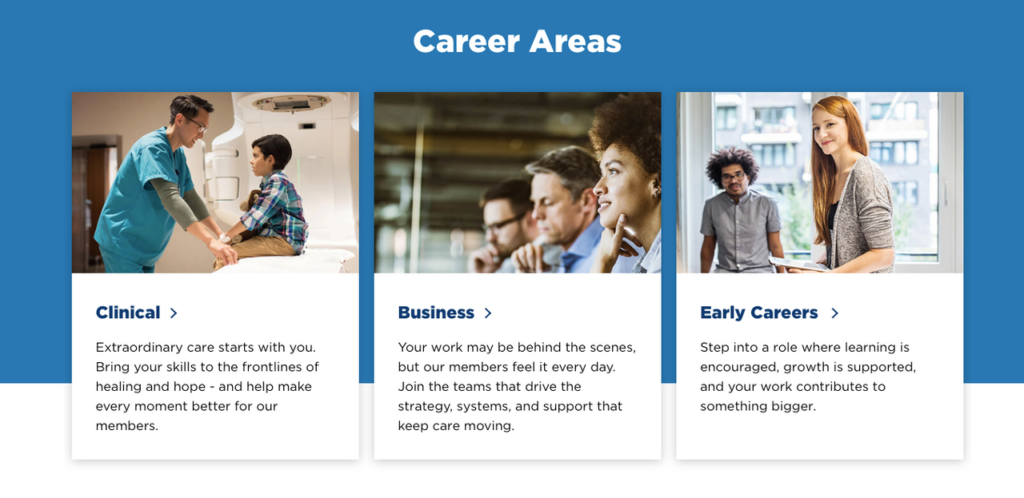
I’ve noticed a simple pattern: the best-fit remote openings at Kaiser usually fall into support-heavy, process-driven work rather than broad corporate remote categories.
Member support and scheduling roles
These are often the most visible entry points. You may see jobs tied to appointment scheduling, call center support, member services, intake, referrals, and patient communication. Some are fully phone-based. Others mix phone, chat, and system updates.
If you’re coming from tech, don’t undersell transferable skills. Queue management, ticket handling, CRM use, documentation quality, and service metrics all matter here. A hiring team may not care that you worked in SaaS if you can quantify results like response time, resolution rate, or error reduction. That kind of data-backed framing improves ATS parsing and helps your resume show alignment.
Operations, coordination, and specialized support paths
Beyond front-line support, there are operations roles that focus on coordination and systems flow. These may include project support, authorizations, claims support, revenue-cycle-adjacent tasks, quality coordination, or department-specific admin work.
This is where many candidates miss the signal. They apply because the title sounds remote-friendly, but the algorithm is screening for healthcare terms, not general office skill. Stop guessing. Let’s look at the data: if the posting repeats words like compliance, Epic, referrals, authorizations, medical terminology, or regulated documentation, those are not filler. They are ATS anchors.
For international candidates, this matters even more. A remote title does not imply visa sponsorship. You need to confirm work authorization requirements early, because healthcare employers often set strict limits around sponsorship, location, and licensing.
What Kaiser Hiring Usually Looks For
Kaiser is not usually hiring for vague “smart generalists.” It hires for reliable execution in structured environments.
Accuracy, compliance, and system familiarity
The first thing hiring teams want is trust. Can you handle sensitive information, follow process, and keep errors low? In healthcare, one small mistake can slow care, billing, or access.
That’s why resumes for Kaiser Permanente work from home jobs should show accuracy and process discipline. Use numbers where you can: volume handled, turnaround time, service-level metrics, audit scores, or documentation quality. Quantify your ROI. Even simple metrics help, like reducing scheduling errors by 18% or improving case throughput.
And yes, ATS optimization matters. If the listing asks for EHR, EMR, HIPAA awareness, call center systems, or healthcare operations software, reflect the exact language when it’s true. Parsing systems are looking for keyword match before a human ever sees your file.
Why healthcare workflow experience matters
Here’s the harsh truth: healthcare workflow experience is often the difference between getting screened in and getting ignored. Kaiser teams often prefer candidates who already understand referrals, patient access, insurance flow, care coordination, or clinical admin support.
That does not mean tech professionals have no shot. It means you need an insider connection in your resume narrative. Show that you’ve worked in complex workflows, managed sensitive data, followed regulated steps, or supported users in high-stakes systems. The closer your examples feel to healthcare operations, the stronger your conversion rate from application to interview.
Where to Find Better-Fit Kaiser Listings
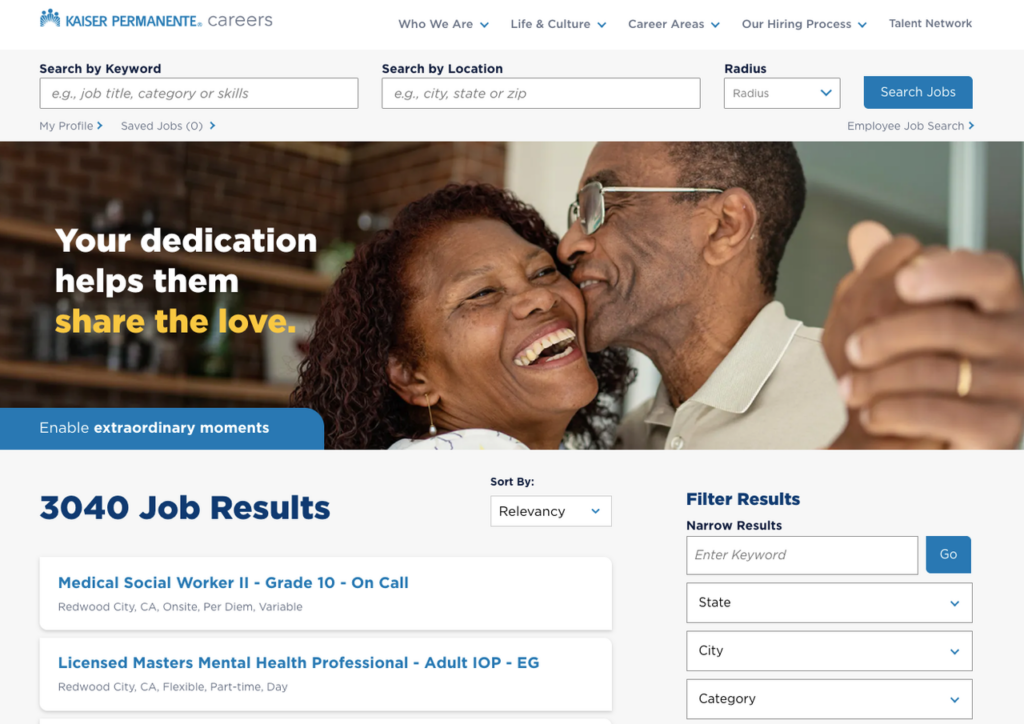
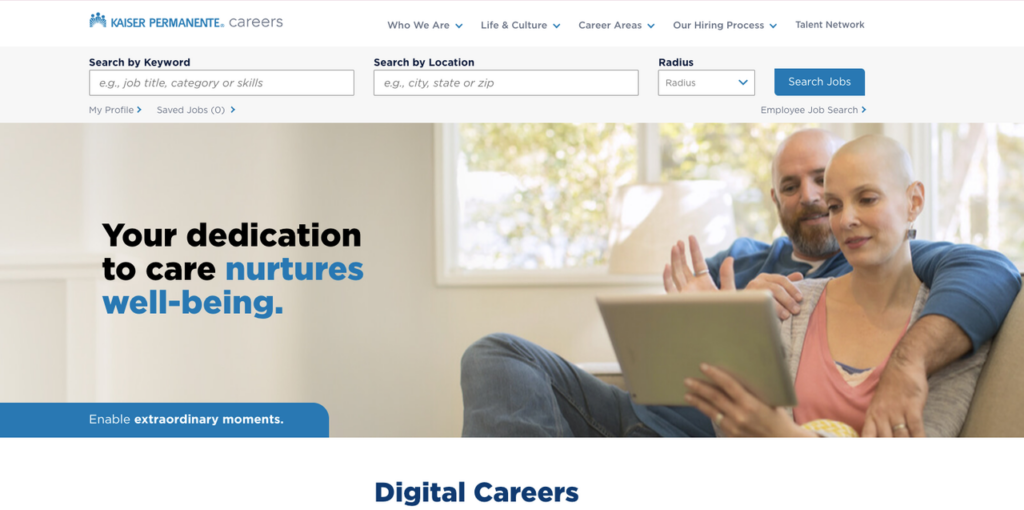
The best place to start is Kaiser Permanente’s official careers site, where remote and hybrid filters are usually clearer than on third-party job boards. You can also cross-check roles on major boards, but always verify against the original posting.
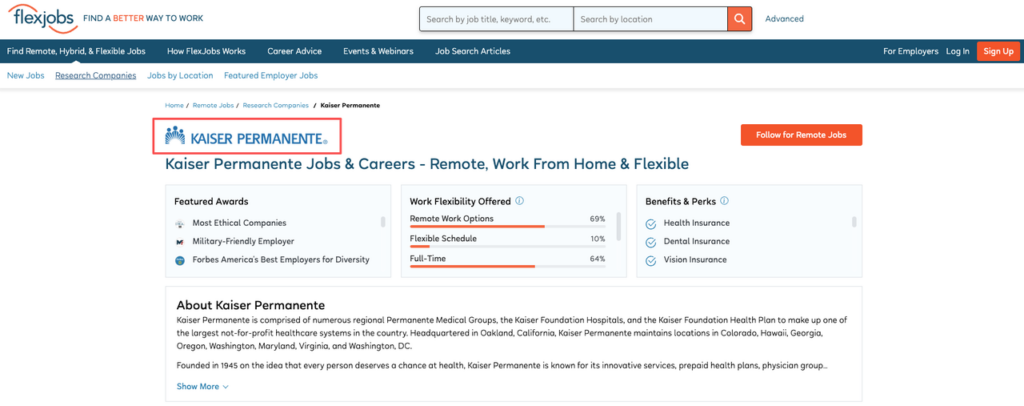
For current openings and policy language, review the official Kaiser Permanente careers page and compare it with details on Kaiser Permanente’s main careers information pages. For remote work expectations, also pay attention to location notes and compliance requirements in the listing itself.
How to tell whether a listing is truly remote or location-bound
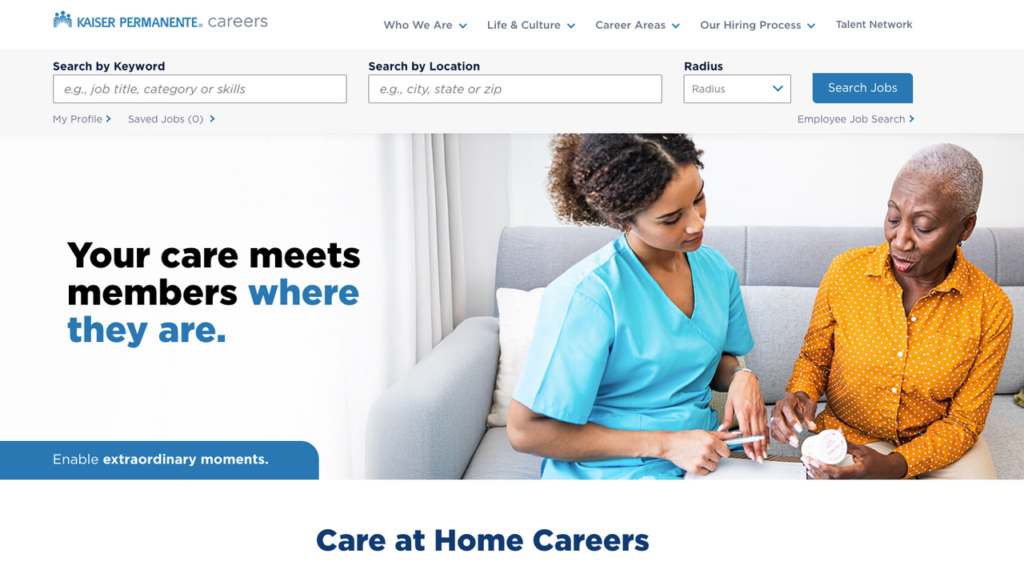
Before you apply, it helps to study a real-world example. If you look at a live remote healthcare support listing, you will see exactly how these compliance details are formatted. I tell clients to scan four parts of the posting before they hit submit:
- Location field, If it names a city or state, the job may be remote but not location-free.
- Travel or onsite language, Watch for phrases like occasional onsite meetings, training, or equipment pickup.
- Licensing requirements, Some roles require state-based credentials or local eligibility.
- Work authorization language, If you need sponsorship, check this before spending an hour tailoring your resume.
Recruiters won’t tell you this, but many “remote” listings are remote only for people already in the hiring zone. If you want better odds, build a tight strategy: target roles where your background, geography, and authorization status already align.
Final Take
If you’ve been mass applying to Kaiser remote jobs with no response, I wouldn’t assume the market is random. More often, the issue is alignment.
Who should prioritize Kaiser remote jobs
These roles make the most sense for people with admin, support, healthcare ops, customer service, or regulated workflow experience. They can also fit tech professionals who know how to translate their background into process reliability, systems fluency, and measurable outcomes.
If you need visa sponsorship, be more selective. Don’t assume Kaiser remote jobs will match sponsorship needs just because the work can be done from home. That’s not how this market works.
What to check before you apply
Before you hit submit, check five things: remote vs hybrid status, approved work location, required systems, healthcare workflow keywords, and sponsorship language. Then tailor your resume for ATS parsing and keyword match.
That may sound strict. It is. But it’s also how you avoid wasting 40 applications on roles that were never a fit. If you’re like most of the people I advise, you don’t need more applications. You need better ones.
Navigating regulated healthcare hiring is complex, but you don’t have to do it alone. We invite you to use Jobright.ai as your career co-pilot to filter for genuine H1B-friendly or location-specific roles before you hit submit. Explore our platform for free and stop guessing which listings are a real fit for your life.
Frequently Asked Questions About Kaiser Remote Jobs
What counts as a Kaiser remote job?
A Kaiser remote job usually means work-from-home within an approved state, city, or hiring region rather than fully location-free employment. Many roles include fine print such as local training, occasional onsite meetings, equipment pickup, or state-based licensing requirements, so the location details matter as much as the title.
Why are many Kaiser remote jobs listed as hybrid instead of fully remote?
Many Kaiser remote jobs are hybrid because healthcare employers must protect patient data, follow compliance rules, and support secure team workflows. Some departments also need employees close enough for onboarding, training, secure access setup, or periodic office visits, even when most daily tasks are done from home.
What types of Kaiser Permanente work from home jobs are most common?
The most common Kaiser Permanente work from home jobs are administrative, member support, scheduling, referrals, claims coordination, case support, and other healthcare operations roles. These positions often require strong documentation, phone or chat support, system accuracy, and comfort working in structured, process-driven environments.
How can I improve my chances of getting Kaiser remote jobs?
To improve your odds with Kaiser remote jobs, tailor your resume to the posting, use matching terms like EMR, HIPAA, referrals, or authorizations when accurate, and show measurable results. Hiring teams often look for compliance, workflow accuracy, customer support metrics, and healthcare-related systems experience before interviewing candidates.
Can I apply for Kaiser remote jobs if I do not have healthcare experience?
Yes, but you need to show strong transferable skills. Candidates from tech, customer service, or operations backgrounds should highlight regulated workflows, sensitive data handling, documentation quality, ticket or queue management, and measurable performance. The closer your examples align with healthcare operations, the better your chances.
Recommended Reads