
Network Engineer Remote Jobs: Skills, Scope & Best Fits
Table of Contents
If you’ve ever typed “network engineer remote jobs” into a search bar, saved 40 listings, and then realized half of them require “occasional” on-site rack-and-stack, you’re not alone. I’m Dora, and I’ve spent years helping tech talent navigate the messy reality of job descriptions that don’t match the title. It’s frustrating to land an interview only to find out “remote” actually means “field tech with a home office.” In this guide, I’m stripping away the noise. We’ll look at how to spot a truly remote-friendly stack—like cloud connectivity and automated firewall changes—versus roles that will eventually drag you back to the data center. Let’s stop the application burnout and find a role that actually fits your life.
What Counts as a Network Engineer Remote Job?
Remote network engineer jobs usually involve planning, managing, monitoring, or troubleshooting network systems without being in a company office every day. That can include enterprise routing and switching, firewalls, VPNs, cloud connectivity, SD-WAN, wireless environments, and incident response.
But titles can mislead you. I’ve seen network engineering remote jobs posted under names like network operations engineer, NOC engineer, infrastructure engineer, network reliability engineer, and even cloud network engineer. Recruiters won’t tell you this, but the title matters less than the day-to-day work, escalation level, and tooling stack.
Network operations, infrastructure, and support paths
Most remote roles fall into three broad buckets.
Operations roles focus on uptime. You monitor alerts, handle tickets, investigate packet loss, check device health, and escalate when needed. These often overlap with remote network support jobs.
Infrastructure roles go deeper. You may manage routing policies, firewall rules, VPN design, cloud interconnects, load balancer changes, or automation for network changes.
Support-heavy roles sit closer to users or customers. In MSPs and telecom environments, that can mean helping clients troubleshoot circuits, SD-WAN edges, DNS issues, or remote access failures.
All three can be remote. But they’re not equal in pay, autonomy, or interview difficulty.
Why some network roles are easier to do remotely than others
The easiest network jobs to do remotely are the ones where most of the work happens through dashboards, SSH sessions, ticketing systems, runbooks, and documented change control. If a company already has remote monitoring, strong documentation, and smart hands onsite, remote works fine.
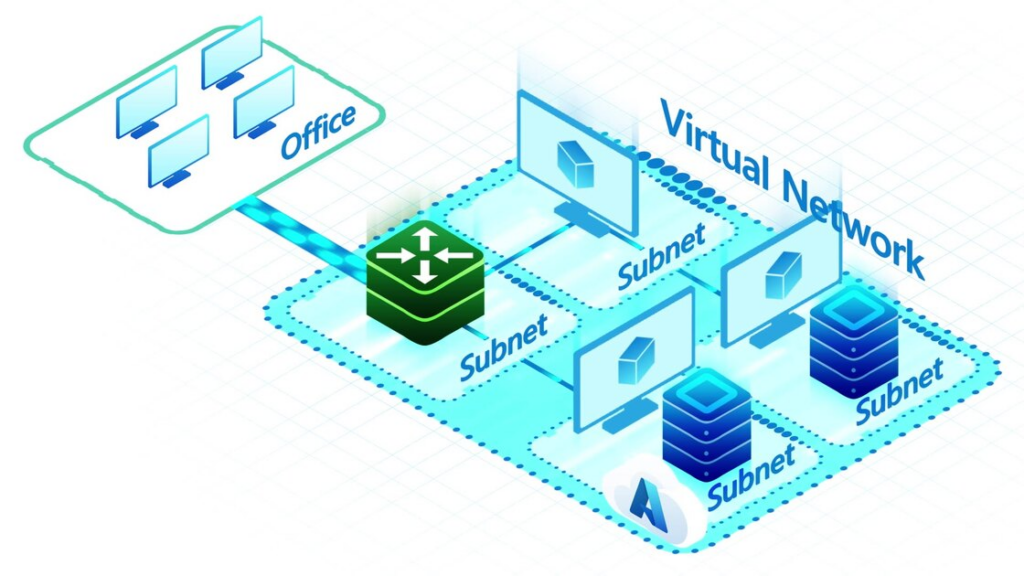
To better understand what cloud networking actually involves at the infrastructure level, it helps to see how modern environments are designed around remote visibility and control from the ground up.
Harder-to-remote roles usually involve physical hardware swaps, cable tracing, data center work, rack-and-stack tasks, or branch office deployments. If the job says “remote” but also asks for regular onsite installs, that’s not true work from home, it’s field work with a home office.
I usually tell candidates to scan for clues like these:
- Remote-friendly: monitoring tools, incident queues, firewall changes, cloud networking, documentation, automation
- Less remote-friendly: travel to sites, physical installs, cabling, IDF/MDF work, hardware refreshes
That distinction saves time. Especially if you’re targeting work from home network engineer jobs and don’t want surprises after the recruiter call.
The Main Types of Network Engineer Remote Jobs
Once you know titles are loose, the next step is pattern matching. Most remote network engineer jobs cluster into a few categories.
Monitoring, support, and operations roles
These are common entry and mid-level paths. You’ll usually see titles like:
- Network Operations Center (NOC) Engineer
- Network Support Engineer
- Network Operations Engineer
- Infrastructure Support Engineer
The work often includes alert triage, log review, incident response, ticket updates, route or interface checks, VPN issues, and basic change execution. You may use tools like SolarWinds, PRTG, Datadog, LogicMonitor, Cisco DNA Center, or ServiceNow.
These jobs can be a strong fit if you’re solid at troubleshooting and calm under pressure. The downside? Some have heavy on-call load, overnight shifts, or high ticket volume. That affects quality of life more than the title does.
According to the U.S. Bureau of Labor Statistics outlook for network and computer systems administrators, demand for these roles remains steady, with strong representation across remote-friendly industries like finance, healthcare, and IT services.
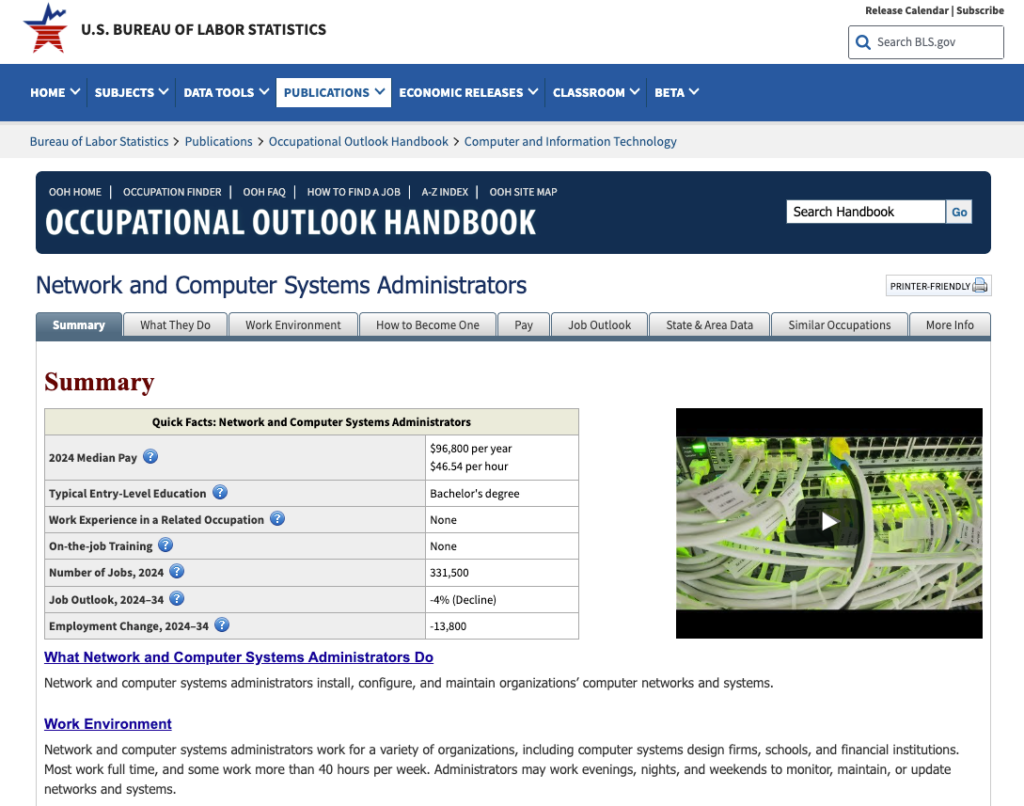
If you’re moving from help desk, sysadmin, or telecom support into networking, this is often the cleanest entry point into remote network support jobs.
Architecture, security, and higher-responsibility infrastructure roles
These roles usually expect stronger design judgment. Think:
- Network Engineer
- Senior Network Engineer
- Cloud Network Engineer
- Network Security Engineer
- Infrastructure Engineer
Here the work may include firewall policy design, BGP troubleshooting, SD-WAN planning, segmentation, cloud VPC/VNet connectivity, zero trust projects, and automation. You’re not just reacting. You’re improving the system.
The BLS career data for computer network architects shows that these positions command significantly higher median pay, with many roles concentrated in companies that already operate distributed or cloud-first infrastructure.
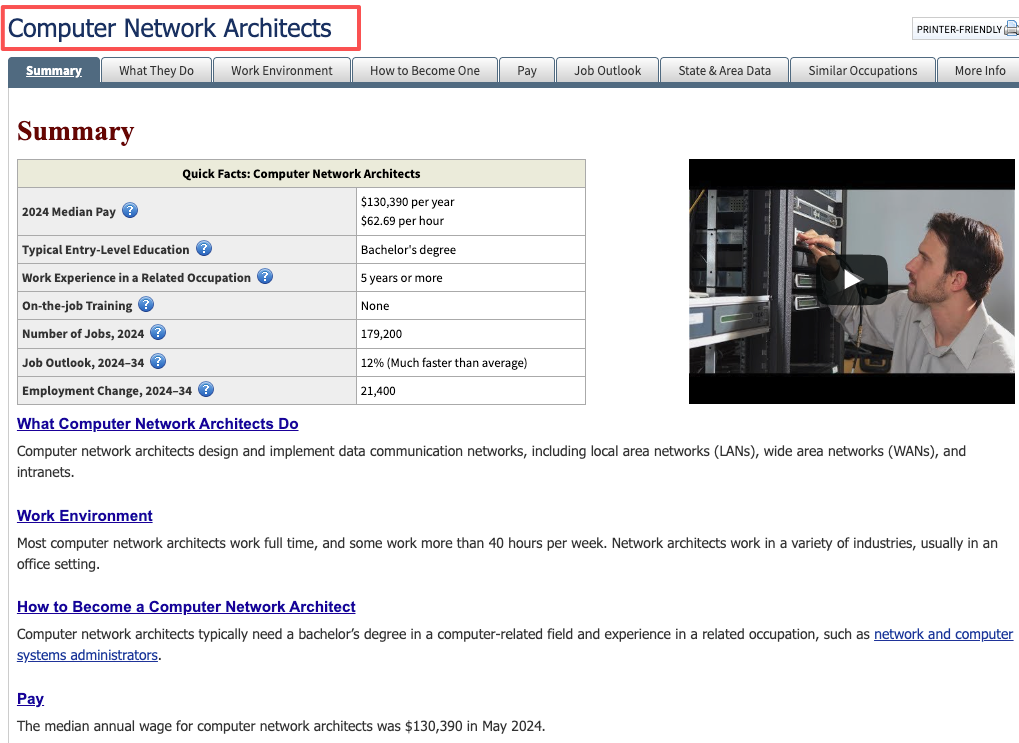
These roles often pay more because the blast radius is bigger. A wrong config can take down an office, a region, or customer traffic.
That’s why employers look for clear metrics and proof of judgment. Don’t just say you “managed networks.” Quantify impact: reduced incident volume by 18%, cut mean time to resolution, supported 200+ sites, improved change success rate, or automated repetitive checks.
For job seekers interested in remote infrastructure jobs, this is where networking starts to overlap with cloud, SRE, and security. And yes, that overlap is growing. Cisco’s enterprise research has consistently shown that automation, visibility, and security are now tied closely to modern network operations, not treated as separate side work.
What Employers Usually Look For
Let’s get practical. If you’re applying and hearing nothing back, your resume may have weak keyword match, weak proof, or poor alignment with the role.
Networking fundamentals, troubleshooting, and documentation
Employers want evidence that you understand the basics well enough to solve live problems. That usually means:
- TCP/IP, DNS, DHCP, NAT, VLANs, VPNs
- Routing and switching fundamentals
- Firewall concepts and access rules
- Troubleshooting method under pressure
- Clear ticket notes and change documentation
Understanding how the network layer works is foundational. Cloudflare’s learning resources offer a clear, vendor-neutral explanation of Layer 3 concepts that hiring managers often test for in technical screens.
ATS systems do basic parsing and keyword match. They don’t read your intentions. If the listing mentions BGP, Palo Alto, Cisco, Fortinet, Meraki, SD-WAN, or AWS networking, and you’ve done that work, say it plainly.
Here’s the harsh truth: a vague resume gets filtered out, even if you’re capable. “Worked on network issues” tells nobody anything. “Troubleshot Layer 2/3 issues across 80 branch sites using Cisco and Meraki environments” gives the algorithm and the hiring manager something real.
While no tool can replace your professional judgment, we believe Jobright.ai can make your networking job search much more efficient. Here’s an example of a live remote role listing that shows how clean and detailed their postings are: live remote role listing on Jobright.ai. Try our AI-driven matching and resume optimization to verify if our platform fits your specific career goals in cloud or network infrastructure.
Documentation matters more than candidates expect. In remote teams, written clarity is part of the job. Bad notes create repeat incidents, messy handoffs, and low trust.
Why hands-on environment experience still matters
A home lab helps. Certs help too. But production experience still carries the most weight.
Recruiters won’t tell you this, but many hiring managers use labs and certifications as tie-breakers, not substitutes. They want to know whether you’ve made changes safely, handled outages, worked with escalation paths, and dealt with the messy reality of shared systems.
That said, if you’re early-career, don’t write yourself off. You can still build credibility with:
- A home lab using Cisco, Juniper, or virtual tools like GNS3/EVE-NG
- Cloud networking practice in AWS or Azure
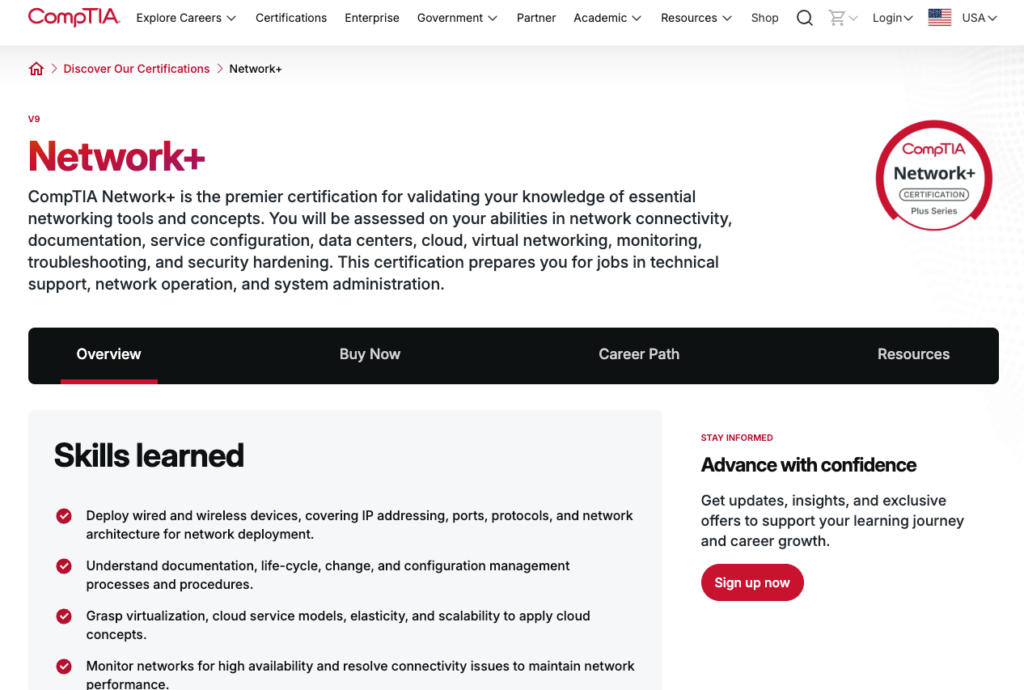
- Certs like CompTIA Network+, vendor firewall training, or the Cisco CCNA certification

- Resume bullets that show measurable ROI or conversion rate of your work into business value
For example, one client I coached had no formal network engineer title. But he had years of incident work in IT operations. We reframed his experience around routing issues, VPN support, DNS troubleshooting, and documentation quality. His callback rate improved because the resume matched the role more honestly and more tightly.
For hands-on cloud networking practice, the official Amazon VPC documentation and Microsoft Azure Virtual Network overview are strong references for understanding how enterprise-grade cloud environments are actually architected.
Where to Find Better-Fit Network Engineer Listings
The problem usually isn’t a lack of listings. It’s low-quality filtering.
I’ve watched candidates spray applications across giant job boards with no strategy, then blame the market. Some of the market is rough, yes. But mass applying to weak-fit roles kills your conversion rate.
Remote work has become significantly more normalized across technical roles, with FlexJobs’ research showing sustained employer adoption in IT and infrastructure categories — which means the pipeline is real, but competition has sharpened.
Better sources often include:
- LinkedIn with tight filters and alert tuning
- Company career pages for telecom, cloud, SaaS, MSP, and cybersecurity firms
- Niche infrastructure and security communities
- Referral channels and insider connection outreach
If you need visa sponsorship, go one layer deeper. Check whether the company has a history of filing H-1B petitions using databases like H-1B Employer Data Hub or salary disclosure tools such as MyVisaJobs. It’s not perfect, but it helps you avoid wasting time on employers with no track record.
How to compare live roles by tooling, on-call load, and seniority
When I review network engineering remote jobs with clients, I use a simple scorecard. Not fancy. Just useful.
Compare each role on these points:
- Tooling — What systems will you actually touch? Look for firewall vendors, cloud platforms, monitoring tools, ticketing systems, and automation expectations.
- On-call load — Read for phrases like “24/7 rotation,” “after-hours changes,” or “follow the sun support.” Ask how often pages happen in real life, not just on paper.
- Seniority signal — If the role owns design, architecture reviews, or cross-team standards, it’s likely mid-to-senior. If it focuses on ticket queues and runbooks, it may be support or operations.
- Remote reality — Is it fully remote, hybrid, or remote-with-travel? “Remote within 50 miles” is hybrid with softer wording.
- Value prop — Can you explain in two lines why you fit?
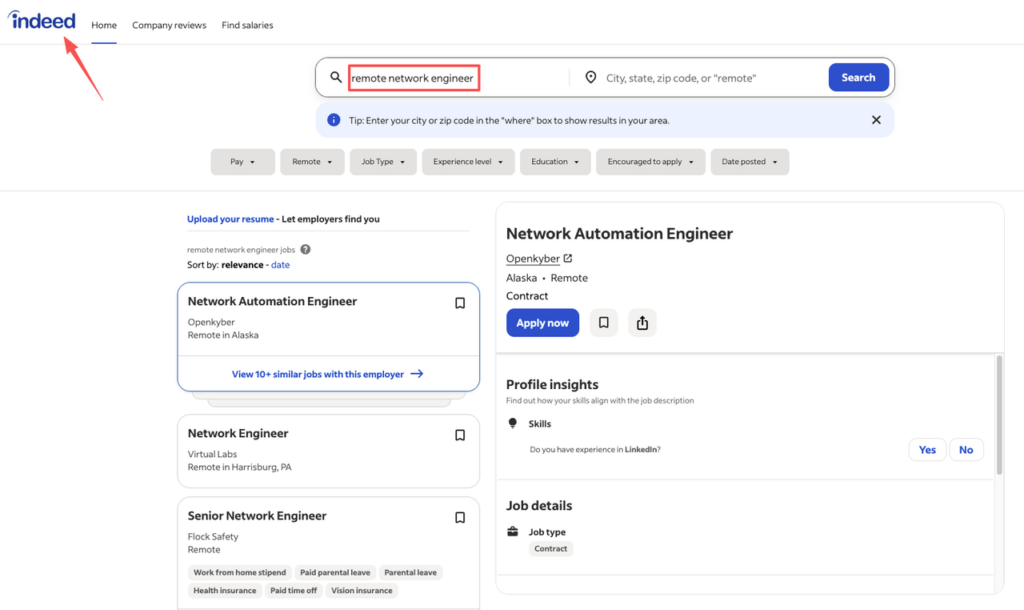
If your background matches 70% of the core stack, the on-call load is acceptable, and the seniority level fits your experience, that role is usually worth the application. If not, move on fast. You can also browse active remote network engineer listings on Indeed to benchmark what the current market actually looks like in terms of seniority distribution and required tooling.
Final Take
The best network engineer remote jobs go to candidates who know what kind of work they want and can prove fit fast.
Who network engineer remote jobs suit best
These roles suit people who like systems, patterns, and pressure without panic. You need patience, clean troubleshooting, and strong written communication. Remote work adds one more layer: you must explain clearly without standing next to the rack or the teammate.
They’re also a strong fit for candidates who want a path into cloud networking, infrastructure, or security. Many remote infrastructure jobs start with network depth.
What to do before you apply
Before you send anything, do these four things:
- Match your resume to the exact tools and protocols in the listing.
- Quantify outcomes with metrics, not vague task lists.
- Check whether the role is truly remote or partially field-based.
- If you need sponsorship, verify the employer’s history before investing hours.
Recruiters won’t tell you this, but a focused job search beats 100 random applications every time. If you want better odds, build alignment first, then apply.
If you’re like many of the people I work with, you don’t need more motivation. You need a tighter strategy. And for work from home network engineer jobs, that’s usually the difference between silence and callbacks.
Frequently Asked Questions About Network Engineer Remote Jobs
What counts as a network engineer remote job?
A network engineer remote job typically involves planning, monitoring, managing, or troubleshooting networks without daily office attendance. Common responsibilities include routing and switching, firewalls, VPNs, SD-WAN, wireless, cloud connectivity, and incident response. The title matters less than the actual tools, escalation level, and day-to-day scope.
How can I tell if a remote network engineer job is truly remote?
Check the description for signs of remote-friendly work, such as monitoring tools, SSH access, ticket queues, documentation, automation, and change control. Be cautious if it mentions travel, hardware installs, cabling, rack-and-stack, or branch deployments. Those usually signal field work rather than a true work-from-home network engineer job.
What do employers look for in network engineer remote jobs?
Most employers want clear evidence of networking fundamentals, troubleshooting ability, and written documentation skills. That often includes TCP/IP, DNS, DHCP, VLANs, VPNs, routing, switching, firewalls, and vendor tools like Cisco, Meraki, Palo Alto, or Fortinet. Resume keywords and measurable results strongly affect interview chances.
Are certifications enough to get hired for remote network engineer jobs?
Certifications like CCNA, Network+, or vendor firewall training can help, especially early in your career, but they rarely replace production experience. Hiring managers usually prefer candidates who have handled outages, made safe changes, and worked in live environments. Labs and certs are strongest when paired with measurable hands-on project or operations work.
What are the best types of companies for network engineer remote jobs?
Telecom providers, SaaS companies, cloud platforms, MSPs, cybersecurity firms, and enterprises with mature remote operations often offer better-fit network engineer remote jobs. These employers are more likely to have monitoring systems, documented processes, and onsite support in place, which makes remote networking work more practical and sustainable.
Recommended Reads