
Project Manager Remote Jobs: Role Types, Fit & Hiring Filters
Table of Contents
There is a massive disconnect in the market for project manager remote jobs right now. On one side, you have applicants picturing a relaxed work-from-home setup where they manage a few calendars and keep people updated. On the other side, you have hiring teams desperate for someone who can step into absolute chaos, track complex dependencies, and ruthlessly protect delivery timelines. Guess which side the algorithms are filtering for? Navigating this gap is what we focus on at Jobright.ai.
I’m Dora, and I can tell you that the candidates who actually get hired aren’t just “highly organized communicators”—they are targeted problem-solvers who know how to speak the employer’s specific domain language. If you want to stop getting filtered out, let’s compare the generic PM applications with the hyper-targeted strategies that are actually winning these remote roles today.
What Project Manager Remote Jobs Usually Involve
When people picture work from home project manager jobs, they often imagine a calendar, a few meetings, and a task board. That’s only the surface. The real job is creating order when multiple teams, deadlines, and priorities start pulling against each other.
In my consulting work, I’ve seen strong candidates miss this point. They describe themselves as “detail-oriented” and “great communicators,” but they don’t explain the mechanism of how they kept delivery on track. Recruiters won’t tell you this, but that gap matters. Hiring teams want evidence, not adjectives.
Delivery, timelines, and stakeholder coordination
Most project manager remote jobs revolve around delivery. That means building plans, tracking milestones, managing dependencies, and spotting risks early enough to do something about them. You’re often the person watching the whole system while everyone else is focused on their own lane.
A typical week might include status updates, timeline changes, blocker removal, and stakeholder communication. You may be working across engineering, design, operations, legal, finance, or customer teams. In remote PM roles, this gets trickier because you can’t rely on hallway chats. You need clear written communication, clean meeting notes, and follow-through people can trust.
Think of the role like air traffic control. You usually don’t fly the plane, but you help prevent collisions.
Good employers will expect you to quantify your impact. Did you improve on-time delivery from 62% to 88%? did you cut handoff delays by 30%? and did you reduce scope creep by setting a tighter intake process? Those metrics show value prop fast, both to humans and to ATS parsing systems looking for keyword match around delivery, timelines, risk, and cross-functional work.
How project management differs from product roles
This confuses a lot of applicants, especially people moving from tech. According to Atlassian’s guide to product vs. project management, product managers decide more of the why and what, while project managers usually own more of the how, when, and who. There’s overlap, yes. But the center of gravity is different.
If you’re applying to virtual project manager jobs and writing your resume like a product lead, you may create weak alignment. A project hiring manager wants to see planning, execution, coordination, dependency management, budget awareness, and risk tracking. They’re less impressed by vision language if it isn’t tied to delivery.
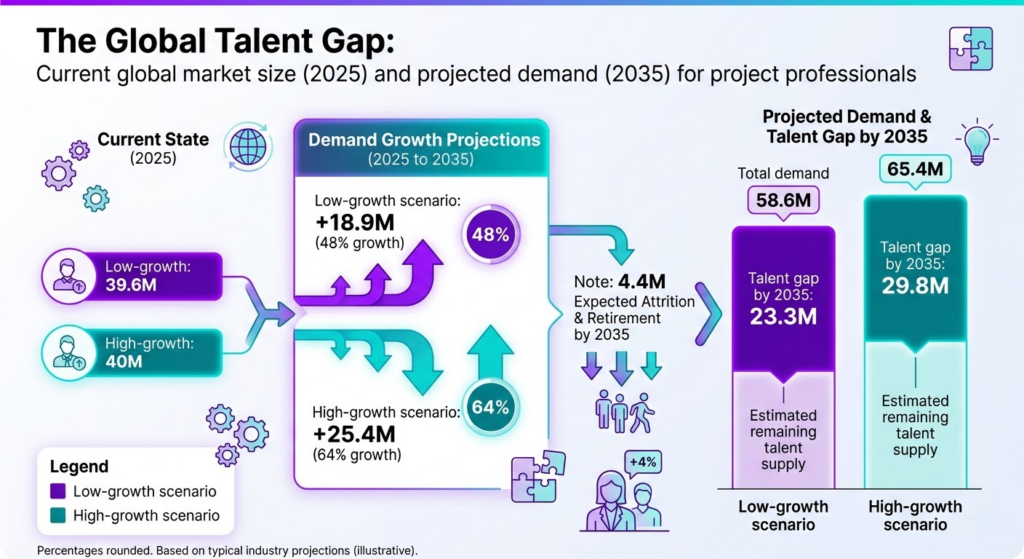
Stop guessing. Let’s look at the data. The U.S. Bureau of Labor Statistics occupational outlook for project management specialists shows continued demand for coordination-heavy work, while PMI’s global project management talent gap research has long projected strong need for project talent across industries. That doesn’t mean every applicant is competitive. It means the market rewards clear specialization and proof of execution, not title inflation.
The Main Types of Project Manager Remote Jobs
Not all remote project manager jobs ask for the same kind of background. If you apply to all of them the same way, your conversion rate drops fast.
Operations and internal delivery roles
These roles often sit inside business operations, customer onboarding, internal systems, implementation, or process improvement teams. The focus is less on building software and more on keeping repeatable work moving with fewer errors.
You might manage vendor rollouts, CRM migrations, internal reporting cycles, or support process changes. These project management remote jobs usually reward candidates with strong organization, timeline control, and stakeholder handling. If you’ve led internal launches, process cleanups, or cross-team operations work, this lane may fit you well.
The ATS optimization play here is simple: mirror the language of the role. If the job asks for implementation, SOPs, stakeholder updates, and risk logs, don’t bury that under generic phrasing. Use the exact concepts where they truthfully match your experience.
Technical and cross-functional project roles
These roles sit closer to engineering, data, security, platform, or enterprise systems work. And yes, they usually expect more domain context than applicants hope.
I’ve seen software engineers and analysts do well here when they frame their background correctly. If you’ve coordinated releases, managed dependencies across teams, led migration planning, or handled incident follow-up, you may be closer to a technical PM profile than you think.
But here’s the harsh truth: if the role depends on understanding technical tradeoffs, hiring teams can spot vague experience fast. They don’t need you to code. They do need you to understand enough to ask sharp questions, track technical risk, and translate issues between teams.
For international applicants, this category can matter even more. Some larger employers hiring for remote PM roles also have more mature sponsorship processes. Before you spend hours applying, check whether the company has filed H-1B petitions in prior years through public datasets and cross-check role location rules on the employer’s careers page. It’s not perfect, but it’s a far better strategy than mass applying blind.
What Employers Usually Look For
Employers don’t just want a calm coordinator. They want someone who lowers chaos.
Organization, communication, and risk tracking
This is the core. In most work from home project manager jobs, employers look for three things first: can you organize work, can you communicate clearly, and can you track risk before deadlines slip.
According to Indeed’s breakdown of top project manager skills, employers consistently prioritize planning systems, stakeholder management, and measurable delivery outcomes. If you say you “managed multiple projects,” that tells me almost nothing. If you say you ran weekly risk reviews across five teams, tracked 20-plus dependencies, and helped improve launch predictability by 18%, now I know your mechanism.
Parsing and algorithm-based screening tools work the same way. ATS systems don’t understand potential the way a mentor might. They look for alignment signals: project plans, stakeholder management, RAID logs, implementation, delivery, budget tracking, Jira, Asana, Smartsheet, cross-functional coordination. Your keyword match won’t get you hired on its own, but poor optimization can block you before a human even reads your work.
Why domain context matters more than many applicants expect
This is where many smart people lose momentum. They assume project management skill transfers cleanly across industries. Sometimes it does. Often, not enough.
A healthcare implementation team wants someone who understands compliance pressure. A SaaS onboarding team wants someone who gets customer rollout patterns. A technical program team wants someone who can follow engineering tradeoffs. Domain context is like having the map, not just the car.
Recruiters won’t tell you this, but many hiring decisions come down to perceived ramp time. If your background suggests you can start adding value in 30 days instead of 90, you move up the list.
So if you’re pivoting, build an insider connection between your past work and the target role. Don’t just say, “I’m adaptable.” Show overlap. Name the systems, workflows, timelines, and stakeholder patterns you’ve already handled. That’s how you create confidence.
Where to Find Better-Fit Project Manager Listings
The best remote PM roles are not always hidden, but they are often filtered badly by applicants. Title search alone is weak strategy.
Start with company career pages, not just big job boards. Then expand to LinkedIn, Jobright.ai’s remote project manager job listings, FlexJobs’ remote project management listings, and other remote-focused boards to widen the net. If sponsorship matters, add a visa filter to your process: shortlist employers with a history of sponsorship, then inspect whether the current role is truly remote and open across states or countries. Many “remote” jobs still have tax, legal, or time-zone limits.
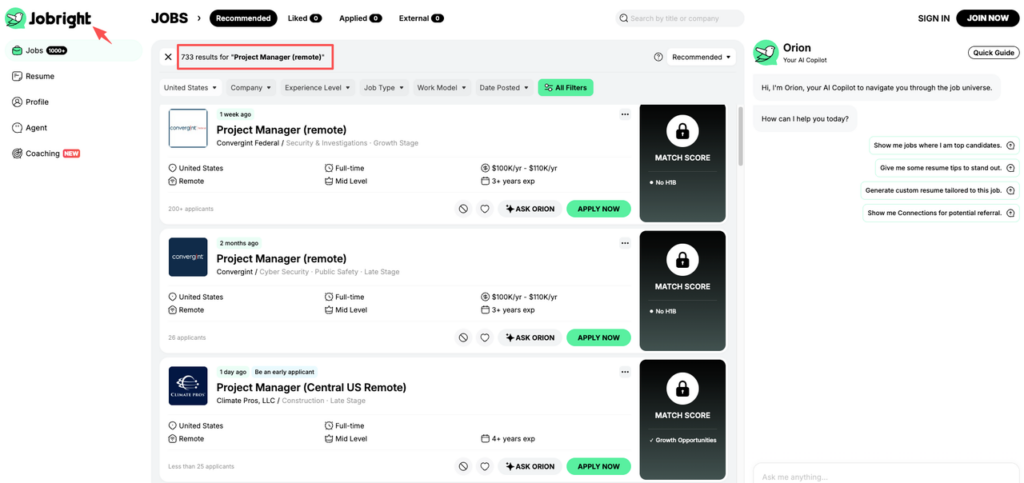
I also tell clients to read three parts of every listing closely: responsibilities, success measures, and team placement. That tells you more than the title. A “Project Manager” posting can mean internal ops coordinator at one company and technical delivery lead at another.
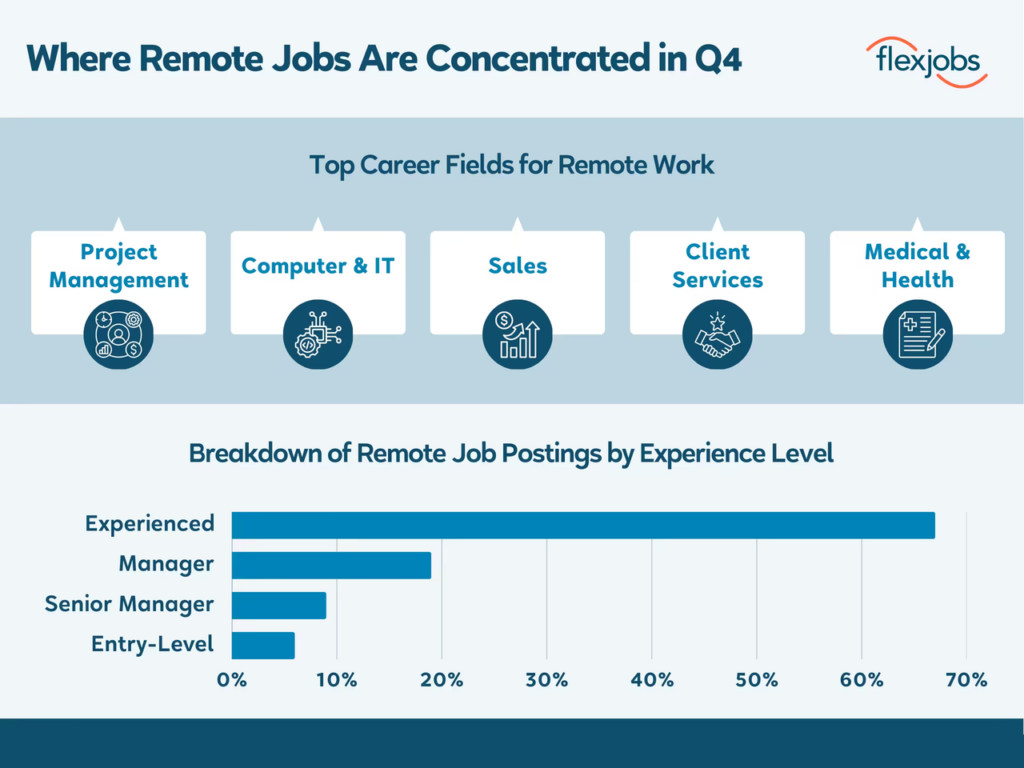
According to FlexJobs’ remote work economy index, project management consistently ranks among the most in-demand remote job categories — which means competition is real, and differentiation matters.
How to compare live roles by scope and ownership
Here’s a simple screen I use when reviewing a live project manager remote job to see if it’s actually worth your time:
- Scope: Are you managing one workflow, one client portfolio, or a multi-team program?
- Ownership: Are you only tracking updates, or are you driving decisions and escalations?
- Stakeholders: Will you work with one function or many?
- Complexity: Are there technical dependencies, budgets, vendors, or compliance needs?
- Success metrics: How will they measure results, delivery speed, launch quality, customer outcomes, cost control?
If a listing is vague on all five, be careful. Vague job posts often lead to messy roles.
And for ATS strategy, tailor by role cluster, not one-off applications. Build one resume for operations-heavy jobs and another for technical delivery roles. That small change can improve your conversion rate without doubling your workload. Same story for your LinkedIn headline and summary. Alignment beats volume almost every time.
Final Take
If you’re feeling worn out by the search, I get it. The market can make capable people question themselves fast. But don’t let that push you into random applications.
Who project manager remote jobs suit best
These roles suit people who like structure, follow-through, and calm problem-solving. You’ll likely do well if you enjoy making plans visible, reducing confusion, and helping teams move together. If you need constant novelty or want to own product strategy, some remote project manager jobs may feel too execution-heavy.
For tech professionals, remote PM roles can be a smart pivot or next step when your background already includes coordination, delivery, and cross-functional work. For international candidates, they can also be attractive because some larger firms have defined hiring systems and clearer sponsorship history. But you still need evidence of fit.
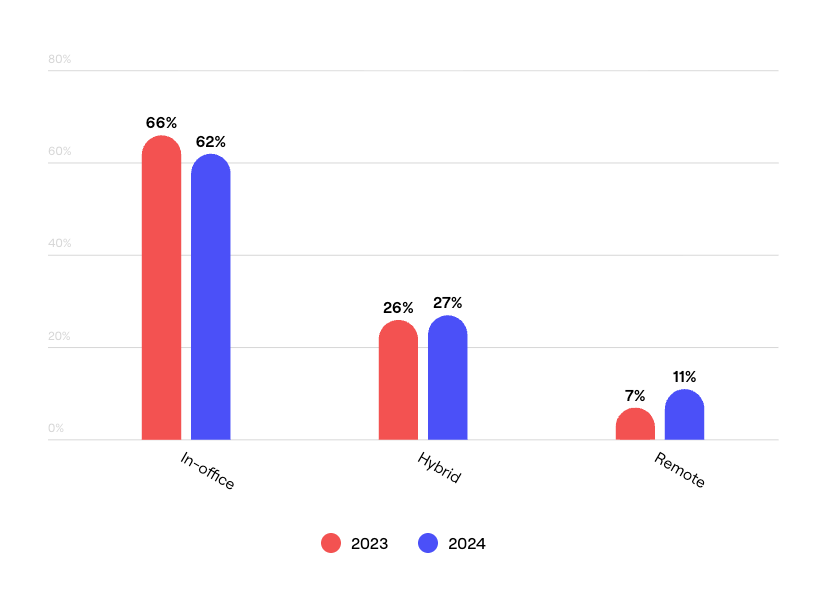
Owl Labs’ 2024 State of Hybrid Work report confirms that remote and hybrid roles now come with higher communication and coordination expectations — which is exactly the skill set strong project managers bring.
What to do before you apply
Before you apply, do four things:
- Match the role type. Separate operations roles from technical ones. Monday.com’s overview of what a project manager does is a useful sanity check if you’re still mapping out which lane fits you best.
- Fix your resume for ATS. Use accurate keywords tied to the posting, not filler.
- Quantify outcomes. Show metrics, impact, and ROI wherever you can.
- Check constraints early. For visa needs, location limits, and sponsorship history, verify before investing hours.
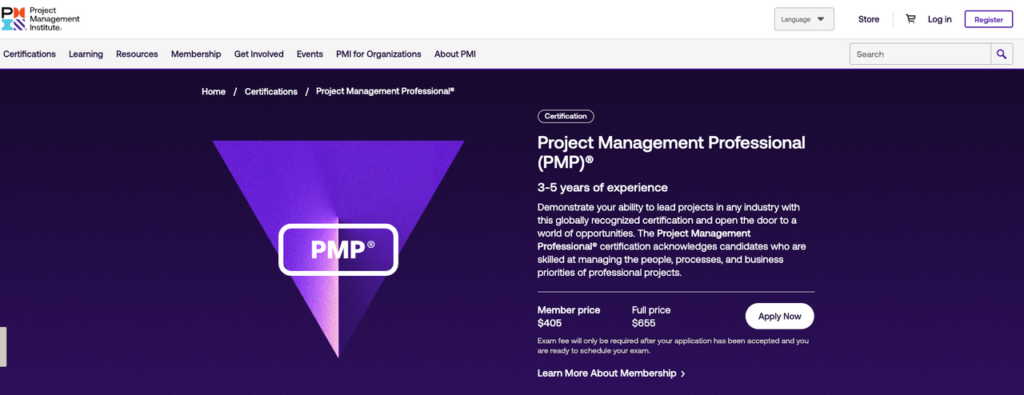
If you’re serious about credentials, the PMP certification from PMI remains the most recognized PM credential globally and can meaningfully strengthen your application — particularly for technical or enterprise roles. PMI also publishes PM standards and frameworks that many employers reference directly in their job descriptions.
Here’s the harsh truth: mass applying is often a hiding strategy. It feels productive, but it burns time and weakens focus. A tighter, data-backed strategy usually wins.
You already know that mass applying blind is a losing strategy for project manager roles. We built Jobright.ai to help you filter out the noise and match your specific delivery experience with the right remote opportunities. Start your targeted search today.
If you’re like many people I work with, the goal isn’t just to find project manager remote jobs. It’s to find one where your experience makes sense on day one. That’s the bar. Aim there.
Frequently Asked Questions About Project Manager Remote Jobs
What do project manager remote jobs usually involve day to day?
Project manager remote jobs usually focus on delivery, timelines, stakeholder coordination, and risk tracking. Day-to-day work often includes running status updates, managing dependencies, resolving blockers, documenting decisions, and keeping cross-functional teams aligned through clear written communication and reliable follow-through.
How are project manager remote jobs different from product manager roles?
Project manager remote jobs are typically centered on execution: how work gets done, when it ships, and who owns each step. Product managers usually focus more on why a product should be built and what should be prioritized. Employers expect PM applicants to show planning and delivery impact.
What do employers look for in work from home project manager jobs?
Most employers look for strong organization, communication, and proactive risk management. They want evidence that you can build project plans, track milestones, manage stakeholders, and improve outcomes. Resume bullets with metrics, tools, and delivery results tend to perform much better than generic soft-skill descriptions.
Do I need technical experience to get remote project manager jobs?
Not always. Many remote project manager jobs in operations, onboarding, or internal delivery do not require deep technical expertise. However, technical PM roles usually expect enough domain knowledge to understand dependencies, ask informed questions, and communicate effectively with engineering or data teams.
Where is the best place to find project manager remote jobs?
The best approach is to start with company career pages, then expand to LinkedIn, Wellfound, and remote-focused job boards like FlexJobs. Look beyond the title and review responsibilities, success metrics, and team placement. This helps you identify better-fit project manager remote jobs and avoid vague postings.
Recommended Reads