
Telus Remote Jobs: Customer Support Roles & What to Expect
Table of Contents
Let’s be brutally honest: you are probably exhausted from firing off dozens of resumes into the void, which is exactly why you’re now searching for stable Telus remote jobs. I get it. When the job market feels like a black hole, a massive, familiar brand feels like safety. But before you apply to one of their many customer support roles, we need to talk strategy. At JobRight.ai, I spend my days analyzing ATS algorithms and candidate conversion rates, and I constantly see brilliant tech workers getting ghosted simply because they throw an engineering resume at a workflow-heavy service gig. Stop guessing and hoping for the best. Let’s break down what these listings actually demand and how you can optimize your application to actually land the interview.
What Kind of Remote Jobs Telus Usually Shows Up For
When people search Telus jobs remote or Telus remote careers, they often expect a broad mix of remote roles. In practice, the listings that show up most often tend to cluster around support, service, and operations work.
That doesn’t make them weak roles. It just means you need alignment between what the job is and what you want next.
Customer support, service, and operations-adjacent roles
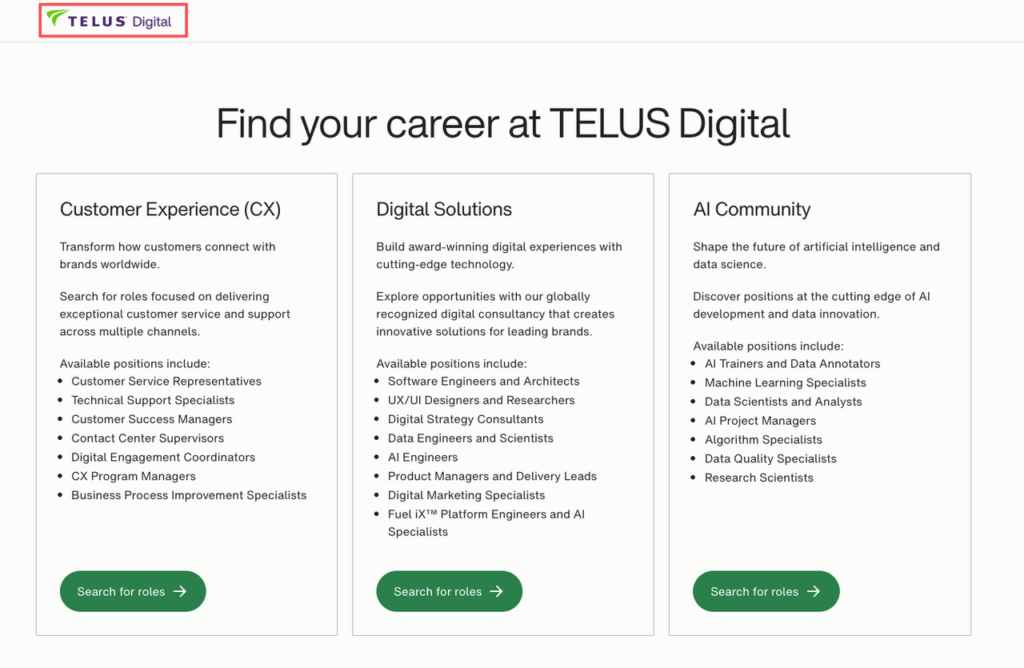
From what I’ve seen, Telus customer support remote jobs and similar service roles are the most common entry points people find first. These may include customer service representatives, service coordinators, sales support, back-office operations, and other workflow-heavy roles.
The common thread is not deep technical build work. It’s communication, queue management, ticket handling, and process follow-through. Think of it like being the air traffic controller of a service system. You’re not building the plane, but you are helping it land on time.
This matters if you come from software, data, or product. If your resume is packed with SQL, sprint planning, analytics, or feature delivery, your value prop may not match unless you translate it. ATS parsing systems and recruiter screening algorithms usually look for keyword match tied to the listing. If the posting emphasizes CRM tools, call handling, escalation flow, and customer metrics, then your resume needs that alignment or your conversion rate drops fast.
We won’t promise you a guaranteed job offer at Telus. But JobRight.ai will help you structure your past experience to accurately match their ATS requirements. Explore our tools to give your application the fair shot it deserves.
I’ve seen applicants lose time because they applied to a support role with a pure engineering resume. Strong candidate. Weak fit signaling.
Why Telus often appears in remote customer job searches
There’s a simple reason Telus appears so often in these searches: large customer-facing employers tend to hire at volume, and remote support work is easier to distribute across locations than many office-bound roles.
That means their listings can surface often on job boards, search engines, and career aggregators. It also means competition can be high. A job that feels “more accessible” often gets flooded with applications, which creates the same application black hole people were trying to escape.
If you’re applying, don’t treat it like a lottery ticket. Treat it like optimization. Read the posting closely. Mirror the exact language where it’s honest. Quantify support-related wins. Show metrics like resolution time, CSAT, retention, queue volume, SLA performance, or cross-team handoff accuracy.
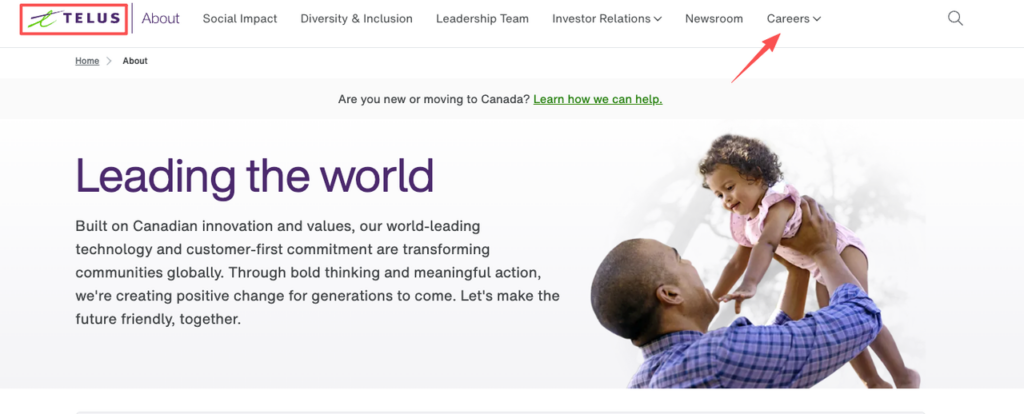
For current openings and role categories, start with the official TELUS Careers site. That gives you cleaner signal than random reposts.
What Telus Hiring Usually Looks Like
If you’re looking at Telus remote jobs, the hiring pattern often rewards people who look dependable, clear, and process-friendly more than flashy.
That sounds obvious, but many applicants still miss it.
Communication, responsiveness, and support workflow fit
In my consulting work, I’ve noticed that support-focused employers care a lot about whether you can handle structured work without drama. Can you reply clearly? Can you follow a workflow? Can you document issues without making a mess for the next person?
That’s the core signal.
Your resume should show proof, not claims. Don’t write “great communicator.” That’s empty. Write something like: “Managed 60+ weekly customer cases with 95% SLA compliance” or “Reduced escalation backlog by 18% through cleaner triage notes.” That’s data-backed. That gives the recruiter and the ATS algorithm something to grab onto.
And yes, responsiveness during hiring matters too. If the employer asks for availability, a quick response, or a simple step and you delay for days, that can hurt. In customer-facing hiring, the process itself often tests the behavior they want on the job.
Why schedule flexibility can matter in customer-facing roles
Many remote customer roles need coverage across time zones, peak hours, weekends, or rotating shifts. That’s not a flaw. It’s part of the operating model.
But it can change the ROI of the job for you.
If you’re a tech professional trying to protect time for interviews, portfolio work, visa paperwork, or upskilling, a flexible-looking remote job may still box in your week. Before applying, check the hours, training period, required location, equipment rules, and whether the role is fully remote or hybrid after onboarding.
This is especially important for international job seekers. If you need visa sponsorship, don’t assume that a remote listing equals sponsorship support. Always verify through official role details and employer policy pages. You can review TELUS corporate information and company background and compare that with visa-related public data if sponsorship is part of your decision. For broader context on how remote work is reshaping global employment, McKinsey’s research on the future of work offers valuable data-backed perspective.
Here’s the harsh truth: remote does not mean flexible, and flexible does not mean career-building.
What Role Quality Can Look Like at Telus
Not every remote listing has the same quality. Some roles are steady and manageable. Others carry heavy volume and tight performance expectations.
If you want to avoid regret, inspect the day-to-day pressure before you click apply.
Support volume, expectations, and day-to-day pressure
Customer-facing work usually runs on metrics. That can include handle time, resolution speed, quality audits, schedule adherence, customer satisfaction, or conversion rate if the role has a sales element.
That’s normal. But the intensity matters.
When I review listings with clients, I tell them to scan for clues: words like “fast-paced,” “high-volume,” “multitask,” “meets targets,” or “performance-driven” often signal tighter measurement. None of that is automatically negative. It just means you need the right energy and work style.
If you hate constant queue pressure, this may drain you fast. If you like clear goals and structured workflows, it can feel stable.
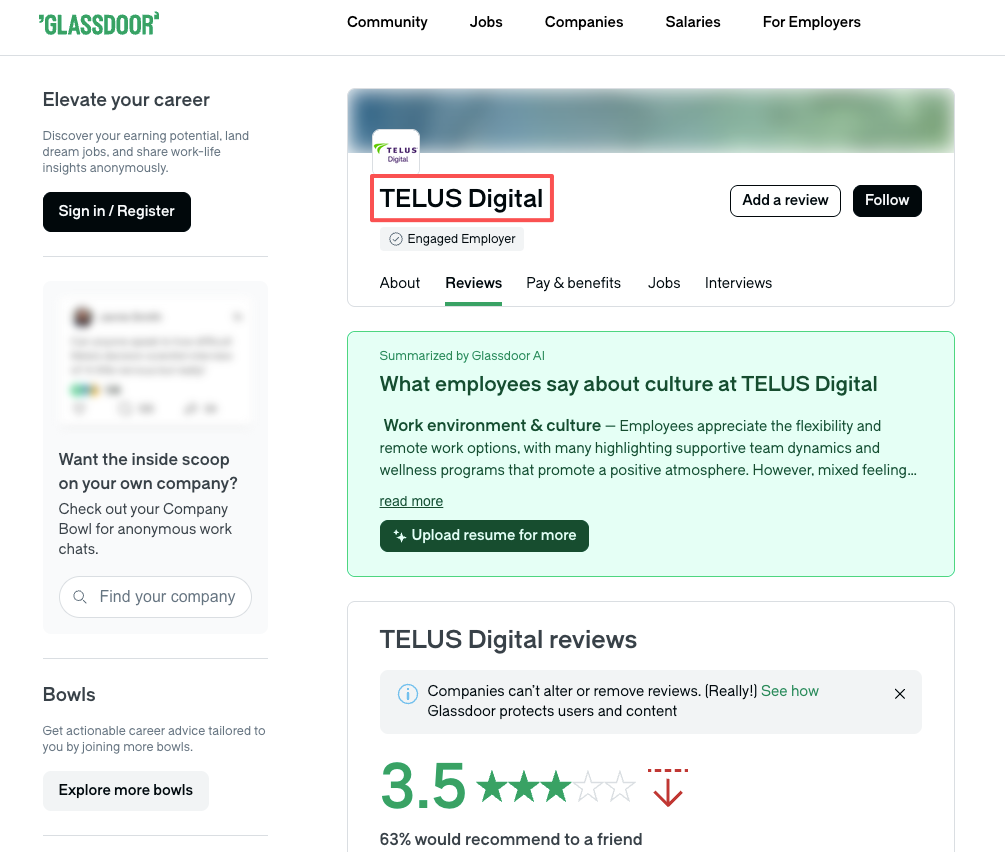
The best way to sanity-check role quality is to compare the posting with real employee feedback on Glassdoor’s TELUS Digital employee reviews and compensation data on Indeed’s TELUS Digital company reviews. I use these as reference points, not final truth, because reviews are noisy. But patterns matter. If multiple people mention schedule rigidity, heavy call volume, or strong team support, that gives you signal.
Which applicants are more likely to fit these roles
The strongest fit is usually someone who is calm under pressure, writes clearly, follows process, and doesn’t need constant novelty to stay engaged.
That could be a career support professional. It could also be a tech worker in transition who needs stable remote income for six to twelve months.
But if your main goal is to move deeper into software engineering, analytics, or product, be careful. A support role can help with short-term cash flow, but it may not move your long-term story forward unless you frame it well. You’ll need to show transferable wins: operations optimization, process improvement, tooling feedback, customer insight loops, or cross-functional coordination.
In other words, don’t just take the role. Build a strategy around it.
And for visa-dependent candidates, this point is even sharper. If work authorization is central, you need to check whether the role’s location, employment type, and company policy match your legal path. Don’t rely on job board summaries. The U.S. Bureau of Labor Statistics publishes verified employment and wage data that can help you benchmark compensation and demand before committing.
Where to Find Better-Fit Telus Listings
If you’ve decided to explore Telus work from home jobs, your edge comes from filtering hard before you apply.
Most people don’t do this. They mass apply, then wonder why nothing lands.
How to compare live customer-facing listings before you apply
Start with the official careers page, then compare it with trusted job boards. I’d open three tabs: the TELUS Digital work from home job listings, a job board version, and your resume. Then check five things:
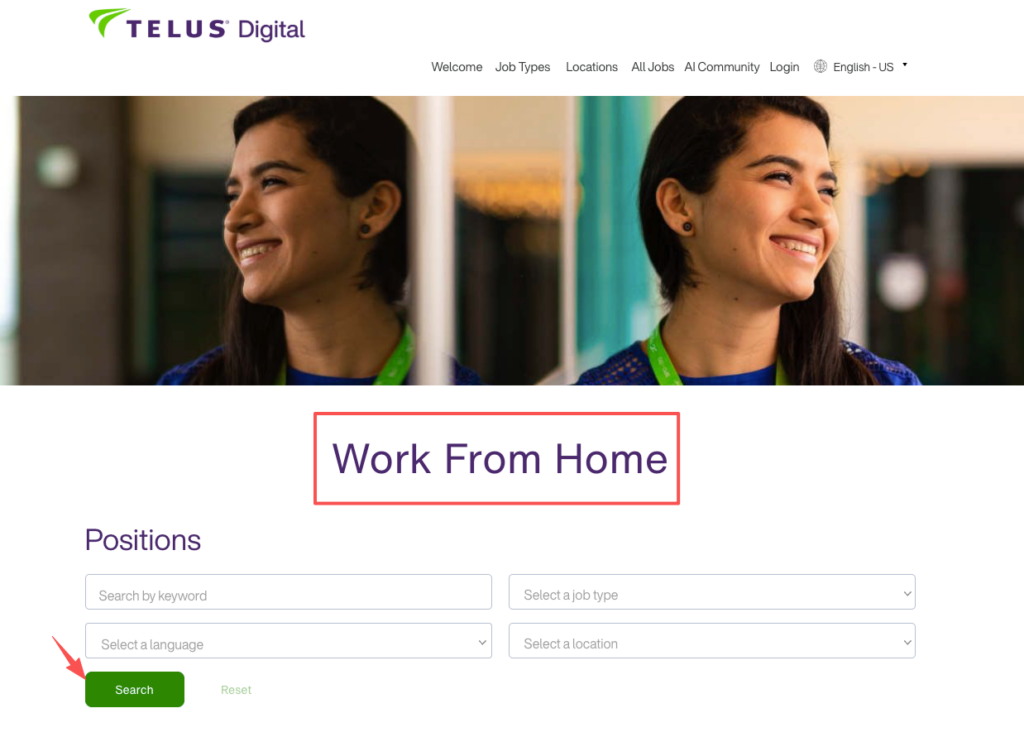
- Title match: Does the role title clearly signal support, operations, or sales-adjacent work?
- Keyword match: Can you honestly match 60–70% of the required language for ATS parsing?
- Metrics: Do you have numbers that prove fit, volume, SLA, CSAT, retention, turnaround time?
- Work setup: Is it fully remote, location-limited, shift-based, or temporary?
- Visa reality: If you need sponsorship, is there any official sign the employer supports it for this role?
Stop guessing. Let’s look at the data. For context, here is an example of a live customer service remote listing that shows what a clean, metric-driven job description actually looks like. If you cannot tailor your resume to a posting like that in 15–20 minutes with honest alignment, the fit is probably weak.
I also recommend checking the TELUS Digital LinkedIn jobs page if your search includes customer experience and digital operations roles, since many people confuse TELUS and TELUS International listings.
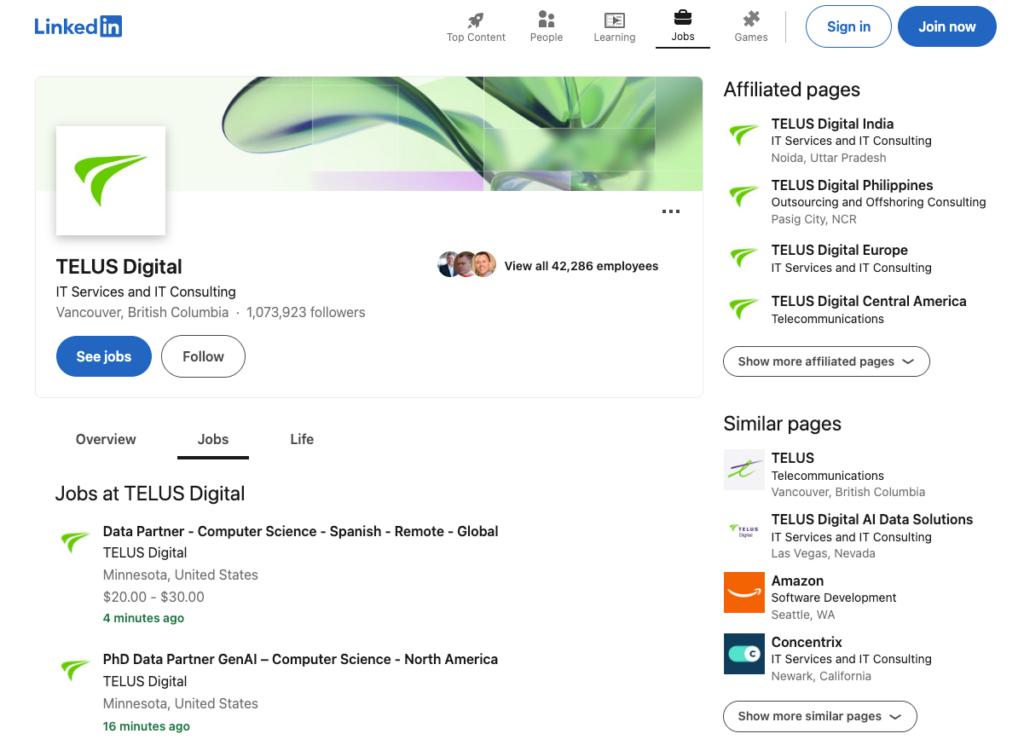
One more tough-love note: don’t apply through ten reposts of the same job. Pick the source closest to the employer, tailor once, and track your applications in a spreadsheet. Measure response rate. That’s how you improve your job search algorithm, not by spraying resumes into the void. Before applying anywhere online, it’s also worth reviewing the FTC’s official guide on identifying job scams to protect yourself from fraudulent listings that mimic real employers.
Final Take
Who Telus remote jobs suit best
Telus remote jobs can make sense for people who want structured remote work, clear service workflows, and a known employer name. They often fit applicants who are organized, responsive, and comfortable being measured on service metrics.
They can also work for tech professionals who need a bridge role. Maybe you need steady income while you keep interviewing. That’s fair. Just be honest with yourself about whether the role supports your next move.
What to check before you apply
Before you apply, check four things: the true job function, the schedule, the performance expectations, and the work authorization reality.
Recruiters won’t tell you this, but the fastest path is not more applications. It’s tighter alignment. If the role is support-heavy, show support metrics. If the job is shift-based, decide whether that fits your life. If you need sponsorship, verify it early.
That’s the difference between a smart application and another trip into the application black hole.
If you’re like me, you don’t want hype. You want signal. So yes, explore Telus remote careers if the listing matches your strengths. But skip the fantasy version of the job. Read the posting like a strategist, tailor like a pro, and protect your time.
Frequently Asked Questions
What kinds of TELUS remote jobs show up most often?
Most TELUS remote jobs that surface most often tend to be customer support, service, and operations-related roles rather than core engineering, product, or data positions. Common examples include customer service, service coordination, sales support, and back-office workflow roles with strong communication and process requirements.
Are TELUS work from home jobs good for tech professionals?
TELUS work from home jobs can work for tech professionals as a short-term bridge role, especially if you need stable remote income. However, many listings are support-heavy, so they may not directly advance a software, analytics, or product career unless you clearly frame transferable skills and measurable outcomes.
How should I tailor my resume for TELUS remote jobs?
For TELUS remote jobs, match your resume to the exact language in the posting where it is truthful. Highlight support metrics like SLA compliance, CSAT, queue volume, resolution time, retention, or escalation handling. Recruiters and ATS tools often reward clear evidence of workflow fit over broad, generic claims.
Does remote mean flexible in TELUS remote careers?
Not always. TELUS remote careers may still involve fixed shifts, time-zone coverage, weekends, training requirements, location limits, or strict schedule adherence. A role can be fully remote without being flexible, so review the hours, onboarding terms, equipment rules, and performance expectations before applying.
Where should I apply for TELUS remote jobs to avoid duplicate or outdated listings?
The best place to start is the official TELUS Careers site, since it usually provides the cleanest and most accurate listing details. You can also compare openings with trusted job boards, but avoid applying through multiple reposts of the same role and verify whether it is TELUS or TELUS International.
Recommended Reads