
Executive Assistant Remote Jobs: Duties, Fit & Hiring Reality
Table of Contents
Sending out dozens of applications for executive assistant remote jobs and getting absolutely zero interviews? Trust me, I’ve seen this exact frustration from thousands of job seekers testing our matching tools at JobRight.ai. The mistake usually happens because candidates treat all these roles as identical, sending them straight into the ATS application black hole. I’m Dora, and analyzing job market data is my daily reality. In my experience, these roles vary wildly—from managing a chaotic founder’s calendar to practically running operations for a distributed team. In this guide, I’ll break down the actual duties, what hiring managers are secretly screening for, and how to tell if a role is a genuine fit. Let’s stop the guessing game and get your resume noticed.
What Executive Assistant Remote Jobs Usually Involve
Remote executive assistant jobs usually sit at the intersection of time, communication, and trust. On paper, the title sounds administrative. In practice, the role often acts like air traffic control for a busy leader or team.
Calendar, communication, and coordination work
A lot of work from home executive assistant jobs center on protecting someone’s time. That means calendar management, meeting prep, inbox triage, travel booking, note-taking, follow-ups, and keeping priorities from slipping.
I’ve reviewed enough job descriptions to notice the pattern: companies rarely just want a scheduler. They want someone who can spot conflicts early, adjust plans fast, and keep communication clean across Slack, email, Zoom, and docs. That’s where optimization matters. If a leader has ten meetings, the assistant’s job is not only to place them on a calendar. It’s to make sure the day still works.
In remote settings, this gets more important. There’s less hallway context. So strong virtual executive assistant jobs often include written updates, task tracking, and gentle pressure on people who owe a response.
How executive assistant roles differ from general admin support
Recruiters won’t tell you this, but executive assistant roles are usually less about tasks and more about judgment. Understanding the key differences between executive assistant and administrative assistant roles helps clarify what hiring managers actually expect. A general admin role may focus on repeatable support. Executive admin remote jobs often require context, discretion, and decision-making without constant direction.
For example, a general admin assistant might schedule a meeting when asked. An executive assistant may decide whether that meeting should happen at all, who needs to be there, and what prep must happen first. That difference is huge. For instance, if you look at an active remote executive assistant opening, you’ll see the emphasis is rarely on just ‘typing’—it’s about managing the flow of information.
It also changes how you present your value prop. If your resume says only “managed calendar,” you’re underselling yourself. Better language would quantify impact: reduced scheduling conflicts, improved response time, increased meeting readiness, or supported X leaders across Y time zones. Metrics help hiring teams see ROI, not just activity.
The Main Types of Executive Assistant Remote Jobs
Not every remote executive assistant job has the same pace, stress level, or decision load. I’d split most listings into two buckets.
Founder and leadership support roles
These roles support a CEO, founder, VP, or senior leadership team. They often move fast, change often, and require strong alignment with that person’s style.
You may handle confidential emails, board meeting prep, investor scheduling, travel changes, and last-minute shifts. Some of these jobs sound polished in the listing, but the real mechanism is simple: can you help a busy leader think clearly and move faster?
If you like high visibility work and can stay calm when plans change, this can be a strong fit. But if you need a fixed routine, these roles may wear you down.
Team coordination and operations-heavy assistant roles
Other remote admin assistant jobs lean more toward systems and team support. You might coordinate cross-functional meetings, manage documentation, track action items, help with onboarding, submit expenses, and support internal operations.
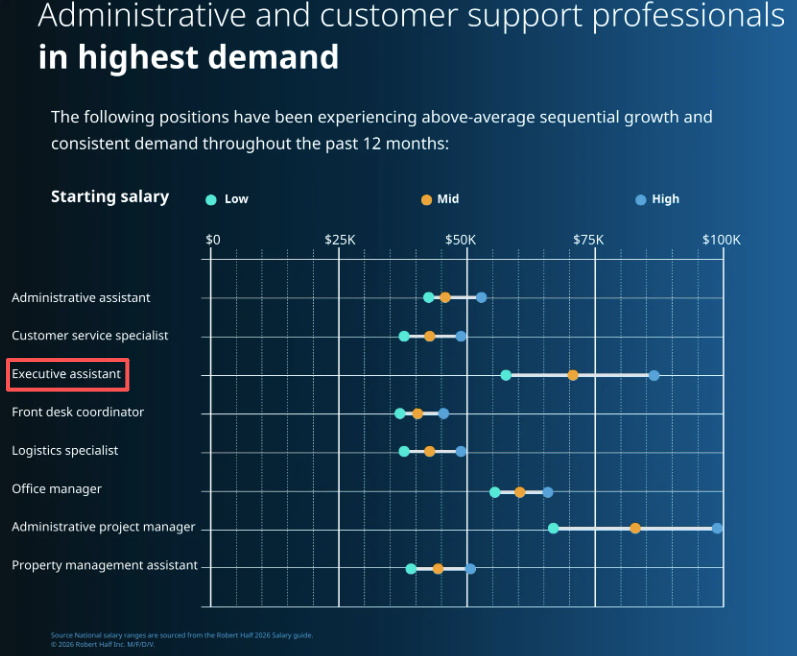
According to research on the highest-demand administrative and customer support roles, these operations-leaning positions are among the fastest-growing in the remote market. I usually see these roles in startups, agencies, and distributed teams. The title may still say executive assistant, but the work can overlap with operations coordinator or chief of staff support. That’s not a problem. You just need to spot it early.
When I compare listings, I look for clues like “cross-functional,” “project tracking,” “operational support,” or “process improvement.” Those words suggest the job values organization at scale, not just one-to-one executive support.
What Employers Usually Look For
Most employers are not hunting for perfection. They want someone reliable, calm, and hard to confuse.
Judgment, communication, and discretion
The best candidates show judgment. That means knowing what to escalate, what to handle alone, and how to protect sensitive information.
Written communication matters even more in remote executive assistant jobs. A short, clear email can save an hour of confusion. A messy update can create three extra meetings. That’s why employers keep asking for “excellent communication skills,” even if the phrase feels overused. In fact, the top soft skills employers will prioritize in 2026 — including communication, adaptability, and critical thinking — map directly onto what remote EA roles demand daily.
Discretion also matters. Executive assistants often see salary data, legal docs, hiring plans, or personal scheduling details. Trust is part of the job, not a bonus skill.
Why tool fluency and follow-through matter
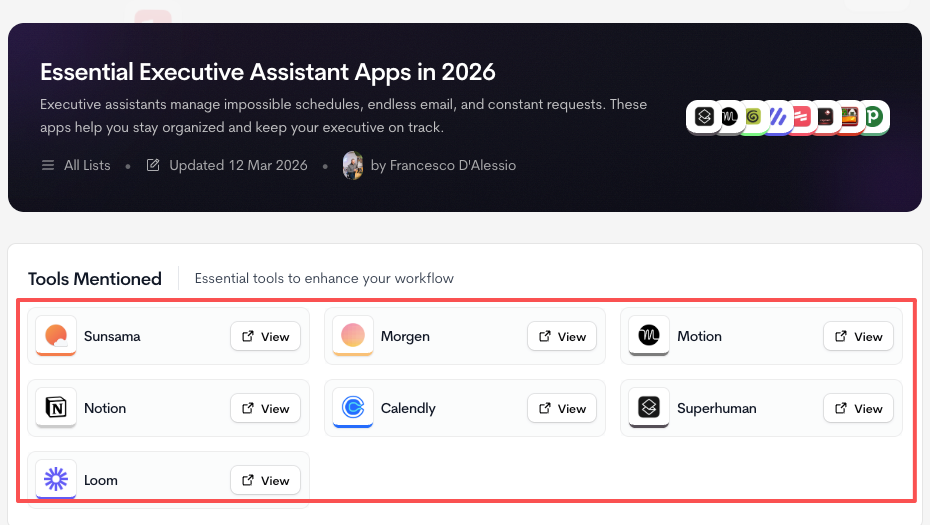
Stop guessing. Let’s look at the data. Many listings now mention Google Workspace, Microsoft 365, Slack, Zoom, Notion, Asana, Trello, or expense platforms. Knowing which apps are essential for executive assistants before you apply gives you a real edge—both for ATS keyword matching and for hitting the ground running on day one. Tool fluency helps because remote work depends on systems. If you can’t move smoothly across tools, the handoff breaks.
But here’s the harsh truth: tools alone won’t get you hired. Follow-through will. Employers remember the person who closes loops, confirms details, and catches missing pieces before they become problems.
If you’re applying, tailor your resume for ATS keyword match. Mirror the exact tools and responsibilities from the listing where they honestly fit. That improves parsing and gives you a better conversion rate from application to interview.
Where to Find Better-Fit Executive Assistant Listings
You can find work from home executive assistant jobs on big job boards, but broad searching creates noise. I’ve had better results by checking company career pages, remote-first startups, vetted talent platforms, and niche operations communities.
For international candidates, there’s another layer. If you need sponsorship, don’t assume a remote company can provide it. Check whether the employer has a history of visa filings through public data tools like USCIS resources and employer-sponsored visa databases such as MyVisaJobs. That step saves time.

How to compare live roles by scope and pace
When I scan live roles, I compare four things: who you support, what you own, how fast the environment moves, and how success is measured.
Look for signs of scope. Are you supporting one executive or three? Are you only managing logistics, or also running projects? Is there an insider connection to hiring leadership, or will you be one layer removed through HR?
Then check pace. Words like “fast-paced,” “always-on,” and “wear many hats” can mean high autonomy, or chaos dressed up as ambition. Read carefully.
I also compare whether the role asks for outcomes or just tasks. A stronger listing may mention improving scheduling efficiency, managing priorities across time zones, or supporting executive productivity. That tells me the company understands the role and is more likely to evaluate candidates fairly.
Final Take
Executive assistant remote jobs can be solid roles for people who like structure, service, and solving small problems before they become big ones. They’re not passive jobs. The best assistants are sharp operators.
Who executive assistant remote jobs suit best
These roles usually suit people who are organized, calm under pressure, and strong in written communication. If you enjoy creating order, tracking moving parts, and helping leaders stay focused, remote executive assistant jobs can be a strong path.
They can also work well for career changers from project coordination, recruiting, operations, or customer-facing roles, as long as you can quantify transferable work.
What to do before you apply
Before you apply, slow down and read the listing like an analyst. Identify the core function, required tools, pace, and level of discretion. Then tailor your resume for alignment, not volume.
Recruiters won’t tell you this, but mass applying is often lazy strategy. A smaller batch of well-matched applications usually beats fifty generic ones.
If you’re like me, you want clarity before effort. So start there: pick roles with clear scope, rewrite your resume with data-backed examples, and apply where your experience actually matches. That’s how you spend less time in the application black hole, and more time getting interviews.
We believe the best executive assistants approach their job search like an analyst. We’d love for you to test Jobright.ai on your next batch of applications and tell us if our scope-matching tools make a difference. See how our platform changes your search strategy.

Frequently Asked Questions About Executive Assistant Remote Jobs
What do executive assistant remote jobs usually include?
Most executive assistant remote jobs focus on calendar management, inbox triage, meeting preparation, travel coordination, follow-ups, and communication across remote tools. Many roles also require task tracking, written updates, and proactive problem-solving to keep executives or teams organized and productive.
How are executive assistant remote jobs different from general admin roles?
Executive assistant remote jobs usually require more judgment, discretion, and independent decision-making than general admin support. Instead of only completing assigned tasks, executive assistants often prioritize requests, manage sensitive information, and improve workflows so leaders can focus on higher-value work.
What skills do employers want in remote executive assistant jobs?
Employers typically look for strong judgment, excellent written communication, discretion, tool fluency, and reliable follow-through. In remote executive assistant jobs, being calm under pressure and able to manage details across platforms like Google Workspace, Slack, Zoom, or Asana can make a candidate stand out.
How should I tailor my resume for executive assistant remote jobs?
Tailor your resume by matching the listing’s language, tools, and responsibilities where they truthfully fit your experience. For executive assistant remote jobs, include measurable results such as reduced scheduling conflicts, improved response times, or support provided across multiple leaders or time zones to strengthen ATS alignment.
Where can I find better executive assistant remote jobs?
Beyond large job boards, look at company career pages, remote-first employers, vetted talent platforms, and niche operations communities. These sources often have better-fit executive assistant remote jobs with clearer scope, while broad job board searches can create noise and lead to lower-quality matches.
Recommended Reads