
Nonprofit Remote Jobs: Role Types, Fit & Hiring Reality
Table of Contents
You’ve tweaked your resume, highlighted your passion for the cause, and hit apply on dozens of nonprofit remote jobs—only to hear absolute silence. It’s a frustrating cycle, and I see job seekers hit this exact wall every single week. You might be wondering if you’re just not “nonprofit enough” or if these organizations are even hiring. I’m Dora, and in my daily trenches of testing job search strategies, I’ve found the hard truth: leaning entirely on your passion for the mission is exactly why you’re getting rejected. Hiring teams don’t just want a bleeding heart; they want operational leverage. Securing the right nonprofit remote jobs requires a fundamental shift in how you pitch your skills, especially if you’re coming from the tech or corporate world. If you’re tired of the guessing game, let’s dissect the real hiring reality and find where you actually fit.
What Counts as a Nonprofit Remote Job?
A nonprofit remote job is simply a role at a tax-exempt organization that can be done fully or mostly from home. That can mean a charity, foundation, university-affiliated nonprofit, research institute, advocacy group, or global NGO. And no, it doesn’t always mean direct service work.
Recruiters won’t tell you this, but many of the best remote nonprofit jobs sit in the same business functions you’d find in a startup or mid-size company: operations, analytics, product support, marketing, donor systems, finance, HR, and project coordination. The difference is the value prop. The work is tied to a mission, donor goals, grants, or public impact.
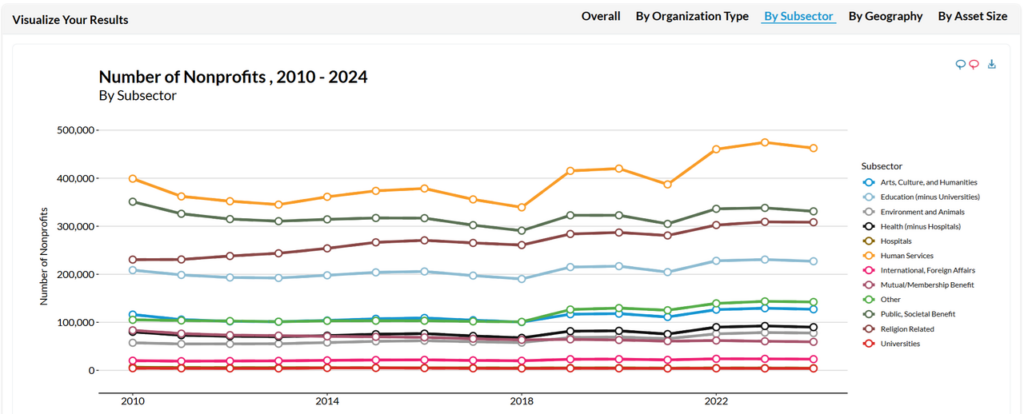
According to Candid’s nonprofit sector overview, the nonprofit sector in the US is broad and includes organizations across education, health, religion, environment, and human services. That matters because the day-to-day work can differ a lot depending on the funding model and team size.
Mission-driven work vs standard business functions inside nonprofits
Some roles are mission-facing. Think program associate, volunteer coordinator, case management support, or education program specialist. These jobs sit close to the people or cause the organization serves.
Others are standard business functions inside a nonprofit wrapper. I’m talking about CRM admin, data analyst, digital communications manager, grants operations coordinator, IT support, or product-minded roles inside edtech and health nonprofits. If you’re coming from tech, this is often the cleanest bridge into nonprofit remote careers.
The ATS parsing issue shows up here too. If the role is basically operations or analytics, but the posting uses nonprofit language, your resume still needs keyword match with the real function. “Built dashboards for donor retention metrics” will often outperform vague mission language because the algorithm is looking for alignment, not sentiment.
Why nonprofit remote jobs can vary widely in pace and pay
This is where people get surprised. Some nonprofit work from home jobs are calm, process-driven, and flexible. Others run on grant deadlines, event cycles, and lean staffing. That means pace can swing from steady to intense.
Pay varies for the same reason. A large national foundation may offer competitive salaries, strong benefits, and mature remote systems. A small local nonprofit might offer lower pay but more ownership and broader scope. In tech terms, one role feels like a stable platform team: the other feels like joining a five-person startup where everyone debugs everything.
The Bureau of Labor Statistics occupational outlook for fundraisers tracks occupational pay by function, not by mission label alone, which is a useful reminder: compensation usually follows role type, seniority, geography, and funding strength more than the word “nonprofit” by itself. So if you’re comparing nonprofit remote roles, quantify the full package: salary, benefits, PTO, remote stipend, growth path, and workload ROI.
The Main Types of Nonprofit Remote Jobs
When people search remote charity jobs, they often picture fundraising first. That’s part of the market, but it’s not the whole map.
Communications, fundraising, and program support roles
This bucket includes content writer, social media manager, digital fundraising coordinator, grant writer, donor relations associate, email marketing specialist, and program support assistant. These roles help nonprofits attract funding, tell their story, and keep programs running.
If you’re a PM, marketer, analyst, or UX-minded generalist, these jobs can be a fit when you can show clear conversion rate thinking. For example, email campaign testing, donor funnel optimization, content metrics, volunteer onboarding flows, or CRM cleanup. Nonprofits may not always use startup language, but they still care about performance.
I’ve seen candidates undersell themselves here. They say, “I helped with newsletters.” That’s weak. A stronger version is, “Managed lifecycle email campaigns and improved click-through rate by 18%.” Data-backed beats vague every time.
Operations, coordination, and mission support paths
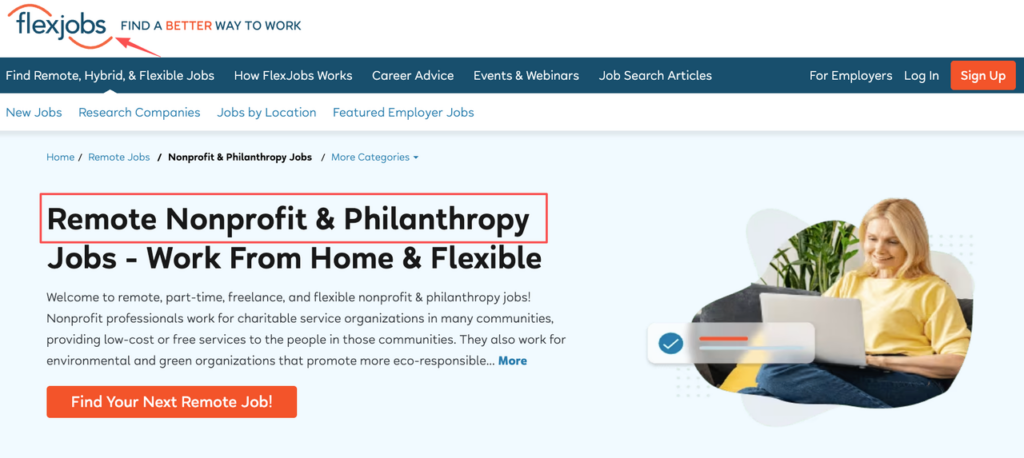
This group includes operations coordinator, executive assistant, project coordinator, community operations lead, data coordinator, HR support, finance assistant, and systems admin roles. These are often overlooked, yet they make up a big share of remote nonprofit jobs. You can explore a curated list of these roles on FlexJobs’ nonprofit & philanthropy remote job board.
For tech professionals, this area is often the smartest entry point. Why? Because your process thinking travels well. If you’ve managed documentation, cross-functional timelines, dashboards, workflows, or tool migration, you already speak the language of operational leverage.
The catch: titles can be fuzzy. One “program coordinator” role might be mostly scheduling and admin. Another might include stakeholder reporting, Salesforce cleanup, budget tracking, and board prep. That’s why I tell people to read for mechanism, not title. Look for systems, scope, metrics, and who depends on the work.
What Nonprofit Hiring Usually Looks For
If you want more responses from remote nonprofit jobs, don’t lead with “I care about the mission” and hope that carries you. It won’t.
Here’s the harsh truth: mission interest gets attention, but role fit gets interviews.
Mission alignment, communication, and resourcefulness
Most nonprofit hiring teams look for three things fast: alignment with the cause, strong communication, and proof you can work with limited resources. In lean teams, resourcefulness is not a nice extra. It’s core job performance.
That means your resume should show how you solved problems with constraints. Maybe you automated reporting, cleaned broken processes, improved stakeholder updates, or shipped work without a giant budget. That story lands.
Communication matters more than many applicants expect. Remote teams need people who write clearly, manage expectations, and don’t create confusion. If you’ve led project docs, asynchronous updates, or client-facing summaries, make that visible.
And yes, ATS optimization still matters. Use the same language as the posting where it fits truthfully: CRM, project coordination, grant reporting, donor database, stakeholder communication, program operations. Parsing systems look for keyword match before a human sees your strengths.
Why role fit matters more than nonprofit branding alone
I’ve seen candidates chase logos and lose months. A famous nonprofit brand does not guarantee smart management, healthy scope, or remote maturity.
Recruiters won’t tell you this, but many nonprofit teams hire for immediate need. They want someone who can step in with low ramp time. If the posting asks for cross-functional coordination, spreadsheet fluency, and donor system experience, a broad “I want to make an impact” pitch won’t convert.
Your strategy should be simple: match the work, quantify your outcomes, and connect your background to their operating reality. If you’re an international job seeker, add one more filter early: visa policy. Many nonprofits are smaller employers and may not sponsor. Check that before investing hours in an application. The USCIS H-1B specialty occupation requirements is a useful baseline, but you’ll still need employer-specific confirmation.
Where to Find Better-Fit Nonprofit Listings
If you’re tired of the application black hole, stop relying on giant job boards alone. Broad platforms create noise. Better-fit searching is about filters, signals, and comparison.
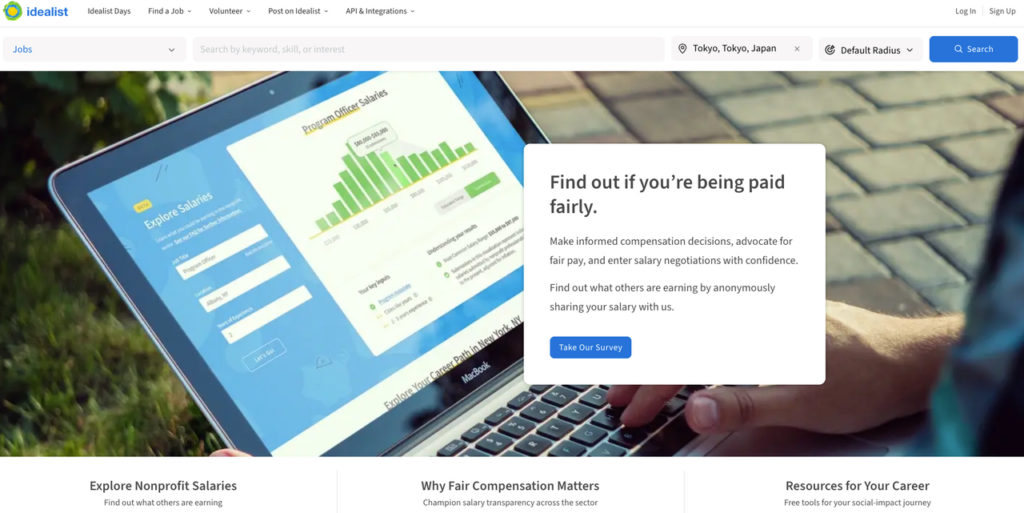
Start with nonprofit-specific sources like Candid, Idealist’s nonprofit salary explorer, and mission-driven boards from universities, associations, and issue-specific networks. Then cross-check company career pages. Some of the best nonprofit remote careers never get much visibility on general boards.
I also tell clients to build a short target list by cause area: climate, education, health, civic tech, immigration, global development. That creates stronger alignment and improves resume optimization because your examples become more relevant. For a broader picture of how the sector is structured, the NCCS Sector in Brief Dashboard is a solid reference to understand funding patterns and organizational scale by issue area.
How to compare live roles by scope, team, and workload
When you review an active nonprofit remote job listing, compare the scope and team like an operator, not a hopeful applicant. I use a simple screen::
- Scope: Is this one clean job or three merged together?
- Team: Who will support you? Manager, peers, contractors, no one?
- Workload: Do deadlines tie to campaigns, grants, or events?
- Systems: What tools run the work? CRM, project tracker, analytics stack?
- Metrics: How will success be measured?
- Remote maturity: Are processes documented, or are you expected to figure it out alone?
This helps you judge risk fast. A posting that asks for fundraising, content, events, design, analytics, and board support in one role is waving a red flag. That’s not “dynamic.” That’s under-scoped staffing.
And if you want a better interview conversion rate, mirror this framework back in your application. Show that you understand the mechanism of the role: the team’s pain, the workflow, and the value prop you bring.
Final Take
Who nonprofit remote jobs suit best
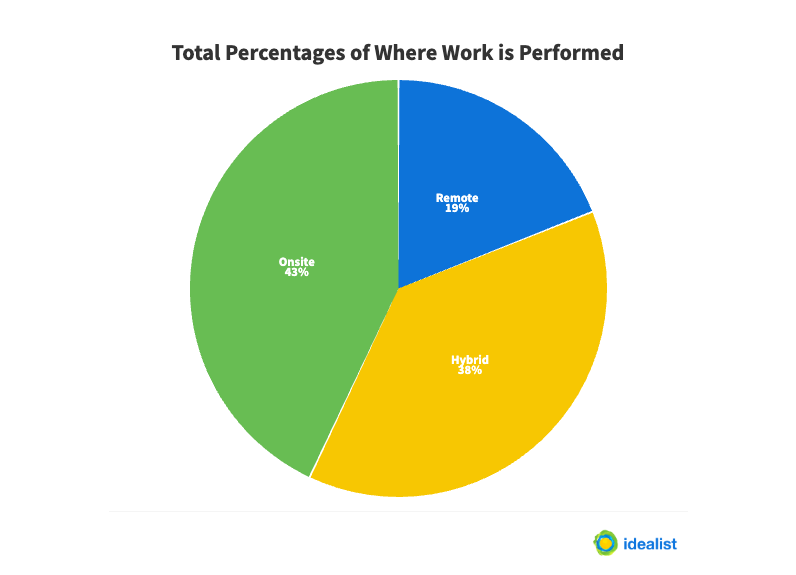
Nonprofit remote jobs suit people who want mission alignment but still care about clear systems, realistic workload, and measurable impact. If you like wearing many hats sometimes, communicating across teams, and building order in messy environments, there’s real opportunity here. Organizations like the Council of Nonprofits have tracked how remote work norms are evolving in this sector, and the direction is clearly toward more hybrid and distributed structures.
For tech professionals, these roles can be a smart pivot when you frame your experience in plain business terms: process improvement, data quality, reporting, cross-functional execution, user support, and optimization. That language travels.
What to check before you apply
Before you apply, check five things: mission fit, actual job scope, manager quality, compensation, and remote setup. If you need sponsorship, verify that first. Don’t burn time on wishful thinking.
Here’s my last tough-love note: don’t apply to nonprofit work from home jobs just because they feel more meaningful than corporate roles. Meaning doesn’t cancel chaos. The best remote nonprofit jobs combine mission with structure.
If you’re like me, you don’t want hype. You want a role where your work matters and the team knows how to operate. That’s the standard. Hold it.
We can’t guarantee a nonprofit will sponsor your visa or match a tech salary, but we can streamline your search. Jobright filters out the noise to find well-scoped, mission-driven roles. Try it to see which organizations actually fit your criteria.
Frequently Asked Questions About Nonprofit Remote Jobs
What counts as a nonprofit remote job?
A nonprofit remote job is a role at a tax-exempt organization that can be done fully or mostly from home. These jobs exist across charities, foundations, research institutes, universities, advocacy groups, and NGOs, and they often include business functions like operations, marketing, analytics, HR, and finance.
Are nonprofit remote jobs always low paying or slower paced?
No. Nonprofit remote jobs vary widely by organization size, funding model, and role type. Some offer competitive pay, strong benefits, and clear systems, while others may be leaner and faster paced. Compensation usually depends more on function, seniority, geography, and funding strength than the nonprofit label alone.
What types of nonprofit remote jobs are best for tech professionals?
Tech professionals often transition well into nonprofit remote jobs in operations, data coordination, CRM administration, project coordination, digital communications, analytics, and systems support. These roles value process improvement, reporting, workflow design, and cross-functional execution, making them a strong bridge from startup or corporate experience.
How can I tell if a nonprofit remote job is well scoped or overloaded?
Review the posting for scope, team support, workload, systems, success metrics, and remote maturity. If one role combines fundraising, content, events, analytics, design, and board support, that is usually a red flag. Strong nonprofit remote jobs typically have clearer ownership, documented processes, and realistic expectations.
What do nonprofit hiring teams usually look for in remote candidates?
Most hiring teams prioritize mission alignment, clear communication, and resourcefulness. They want proof you can work well with limited resources, manage asynchronous updates, and solve practical problems. In remote nonprofit jobs, showing measurable outcomes and matching the posting’s keywords often matters more than expressing general passion alone.
Recommended Reads