
Amazon Remote Jobs: Teams, Roles & What to Expect
Table of Contents
If you want to land one of the highly competitive Amazon remote jobs, you need to stop treating the application like a lottery. I’ve broken down the data on how Amazon labels their roles, from high-volume Amazon customer service remote jobs to specialized corporate positions. We’re skipping the fluff and diving straight into the ATS signals that matter: role title alignment, ‘mechanism + metric’ bullet points, and the reality of visa sponsorship. By the end of this guide, you’ll have a 3-step workflow to identify better-fit roles and significantly increase your conversion rate without burning out.
What Amazon Means by “Remote”
Amazon remote jobs aren’t one single bucket. “Remote” can mean different things depending on the team, the legal setup, and even payroll rules.
Fully remote vs location-limited remote
When you see “Virtual” or “Remote” on Amazon listings, look for the fine print:
- Fully remote: You can work from almost anywhere in the US (sometimes anywhere in a specific country). These are the closest to true Amazon work from home jobs.
- Location-limited remote: You work from home, but only if you live in certain states, time zones, or within distance of an office. Some roles say “remote,” but require travel for onboarding or quarterly meetings.
If you’re an international job seeker, treat location limits as a big deal. Taxes, compliance, and work authorization can narrow options fast.
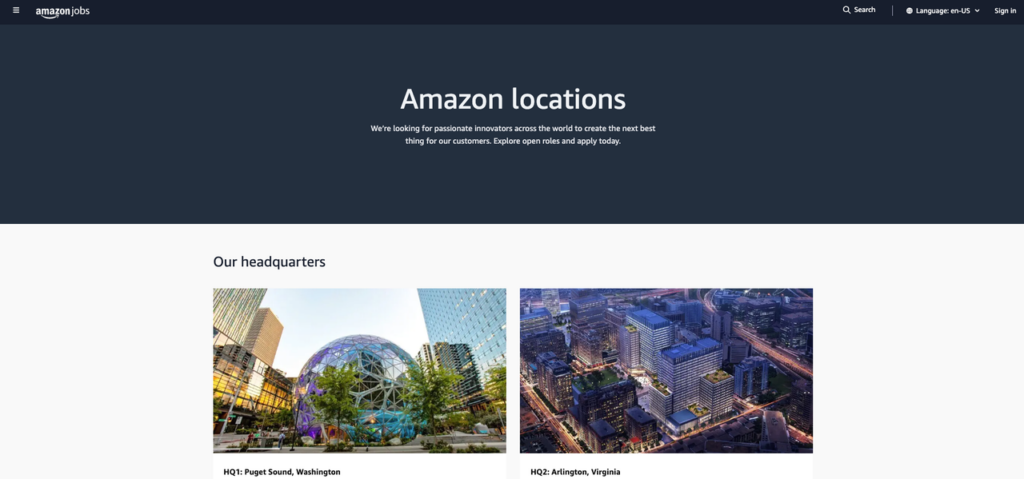
Amazon actually publishes details about how remote and distributed roles are structured across their teams in their Amazon virtual work locations overview, which explains how “virtual” job locations are defined internally.
Why role wording matters on Amazon listings
Amazon’s system and recruiters rely on consistent wording. Two postings can look similar but have different intent.
I’ve seen candidates apply to “Virtual, US” thinking it’s worldwide, or apply to “Remote (WA)” not realizing it’s basically “work from home in Washington.” That mismatch hurts your conversion rate.
Recruiters won’t tell you this, but… one wrong filter can cost you a week of applying to roles that will never move forward, no matter how strong you are.
Quick check: on each listing, scan for words like “Virtual Location,” “State(s),” “Time zone,” “Travel,” and “Shift hours.” That’s where the truth is hiding.
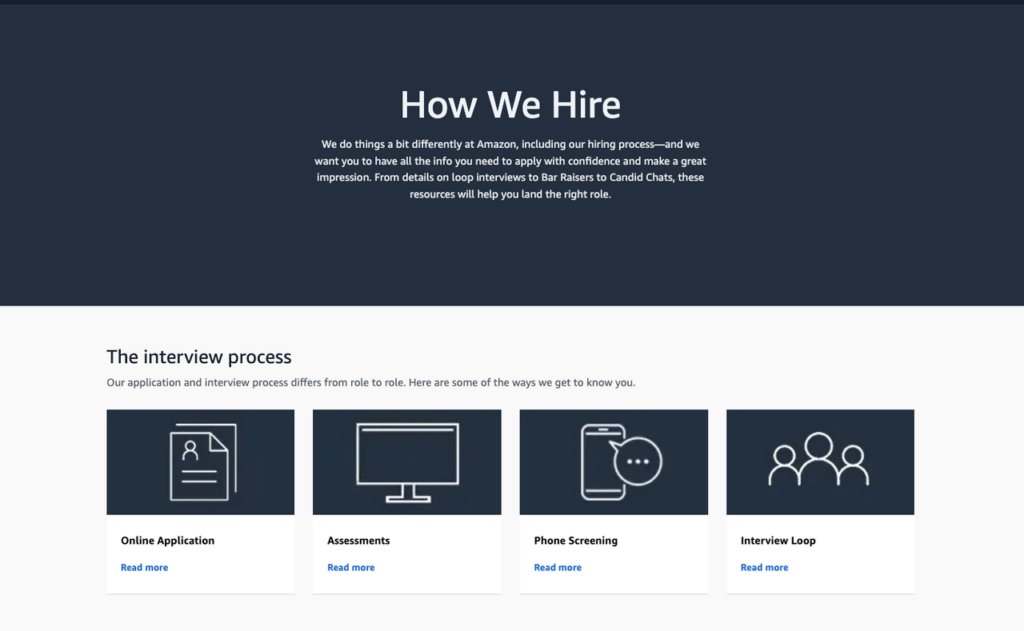
If you want the official definition of how Amazon structures hiring and application flows, you can review how Amazon’s hiring process works on the Amazon Jobs site.
The Main Types of Amazon Remote Jobs
When people search “amazon remote jobs,” they usually picture one thing: easy-to-apply roles with fast replies. In reality, Amazon remote roles fall into a few distinct groups, and they behave differently in the ATS.
For a broader overview of current opportunities and trends, you can also review this breakdown of Amazon remote jobs in 2026.
Customer service and training roles
These include the roles people often mean by Amazon customer service remote jobs:
- Customer Service Associate (seasonal spikes happen)
- Team leads, quality, or training support
- Vendor/customer support in certain business lines
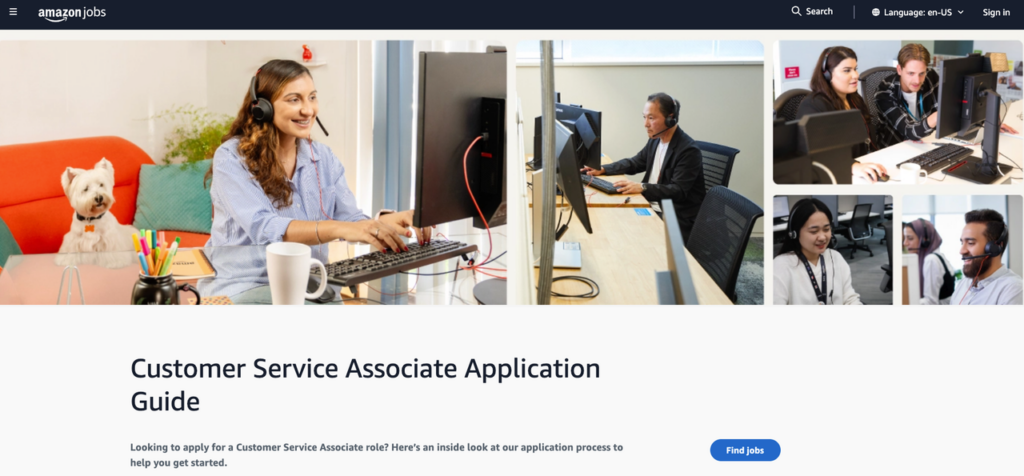
These jobs can be legit work-from-home, but they’re often high volume. To see what these requirements look like in practice, you can review a live Amazon remote job listing to understand the exact metrics they ask for. Amazon even provides a dedicated guide explaining the application process for support roles in their Amazon customer service job application guide.
If you’re applying to customer support roles in general, it’s also helpful to understand the wider market for remote customer service jobs, since hiring standards and ATS filters are often similar across companies.
If you apply here, keep your resume simple and measurable:
- “Handled 40–60 tickets/day with 95% CSAT”
- “Reduced refund time by 18% using macros and routing rules”
Those metrics show ROI in plain English.
Operations, corporate, and specialized teams
This is where many tech professionals fit best:
- Program/Project roles (Ops, supply chain, seller systems)
- Analytics and BI roles
- Product, UX research, security, finance
- Some software and data roles (often hybrid, but not always)
These postings usually have clearer requirements, more structured interviews, and fewer “one-click” applicants, but the competition is stronger.
If you’re targeting Amazon remote work in corporate teams, your edge is alignment: show the exact problem you solve, the mechanism you used (automation, dashboards, experimentation), and the measurable outcome.
Amazon also evaluates candidates heavily based on their internal Amazon Leadership Principles, which guide hiring, promotions, and performance reviews across the company.
What Amazon Screens For
Amazon’s hiring is not random. The screening is consistent because their process is built around repeatable signals.
Communication, ownership, and pace
Even for Amazon virtual jobs, teams want people who can:
- Write and speak clearly (async work needs this)
- Show ownership (you don’t wait to be told)
- Move fast without breaking things (pace + judgment)
In my consulting work, I’ve noticed a pattern: candidates who only list tasks (“responsible for dashboards”) get filtered. Candidates who show decisions and impact (“picked metrics, changed alert thresholds, cut incidents”) get interviews.
Resume signals that fit Amazon-style hiring
Amazon recruiters and ATS tools are looking for clean parsing and clear evidence. Think of your resume like a search page: the algorithm needs a strong keyword match, but humans need a clear value prop.
Tough love: if your resume is a wall of text, you’re making ATS optimization harder.
What works better:
- Role title alignment: If the posting says “Program Manager,” don’t headline yourself “Operations Ninja.”
- Mechanism + metric: “Built SQL pipeline to reduce manual reporting by 6 hrs/week.”
- Scope + scale: “Supported 12 stakeholders,” “processed 2M rows/day,” “launched to 4 regions.”
Why Amazon Remote Jobs Attract More Competition Than Expected
People underestimate how intense the competition is for Amazon remote jobs.
How brand popularity increases application volume
Amazon is a magnet brand. Add “remote” and the volume explodes.
Part of the reason is that Amazon remains one of the most globally recognized employers, and leadership updates about hiring strategies and workforce structure are frequently discussed publicly. For example, Amazon CEO Andy Jassy recently outlined company-wide workforce adjustments in Andy Jassy’s update on Amazon’s workforce and management structure.
Here’s the harsh truth: many applicants aren’t even qualified, and they apply anyway.
Recruiters respond by tightening filters. The ATS algorithm leans harder on:
- keyword match
- role titles
- required qualifications
So the bar feels higher, even when the job itself isn’t more complex.
My practical take:
- 10 aligned applications beat 100 generic ones
- One insider connection can dramatically increase your chances
Where to Find Better-Fit Amazon Remote Listings
If you only search “remote” and click “easy apply,” you’ll keep landing in the same crowded pool.
How to compare live roles instead of applying too broadly
I like a simple workflow that keeps you calm and data-backed:
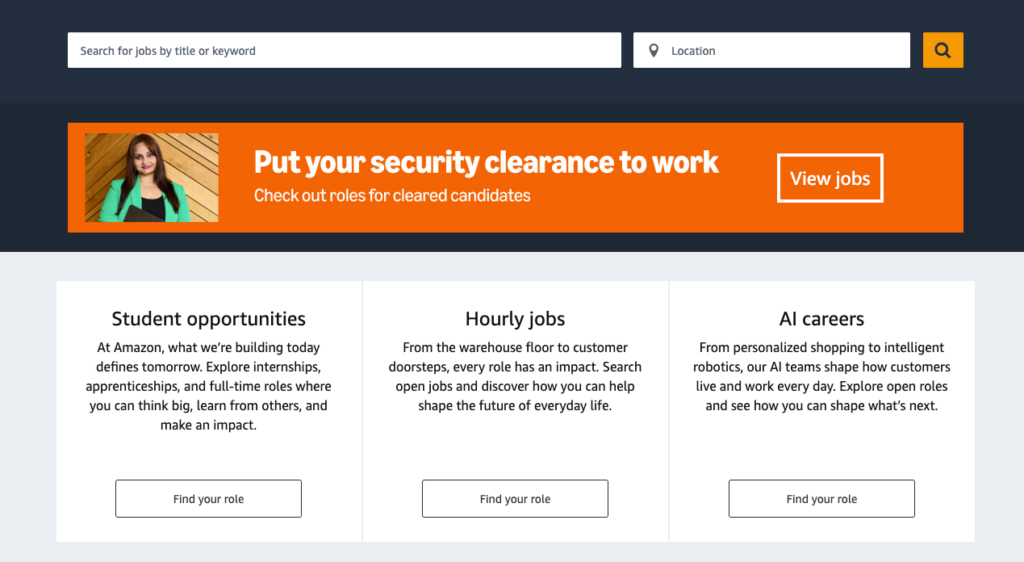
- Start on the source of truth: Use Amazon Jobs and filter by “Virtual Location” when available.
- Open 8–12 roles max: More than that and you’ll start skimming.
- Create a quick comparison grid:
- Must-have keywords (from the posting)
- Team (if listed)
- Location limits
- Basic qualifications you match
- Your top 2 matching projects
- Pick the top 3 roles only: Tailor your resume to those roles with the exact keywords the ATS will parse.
For international applicants, visa sponsorship is another major filter.
You should never assume sponsorship is available. Instead, check historical data using the USCIS H-1B employer data hub to see which employers have sponsored visas and in which job categories.
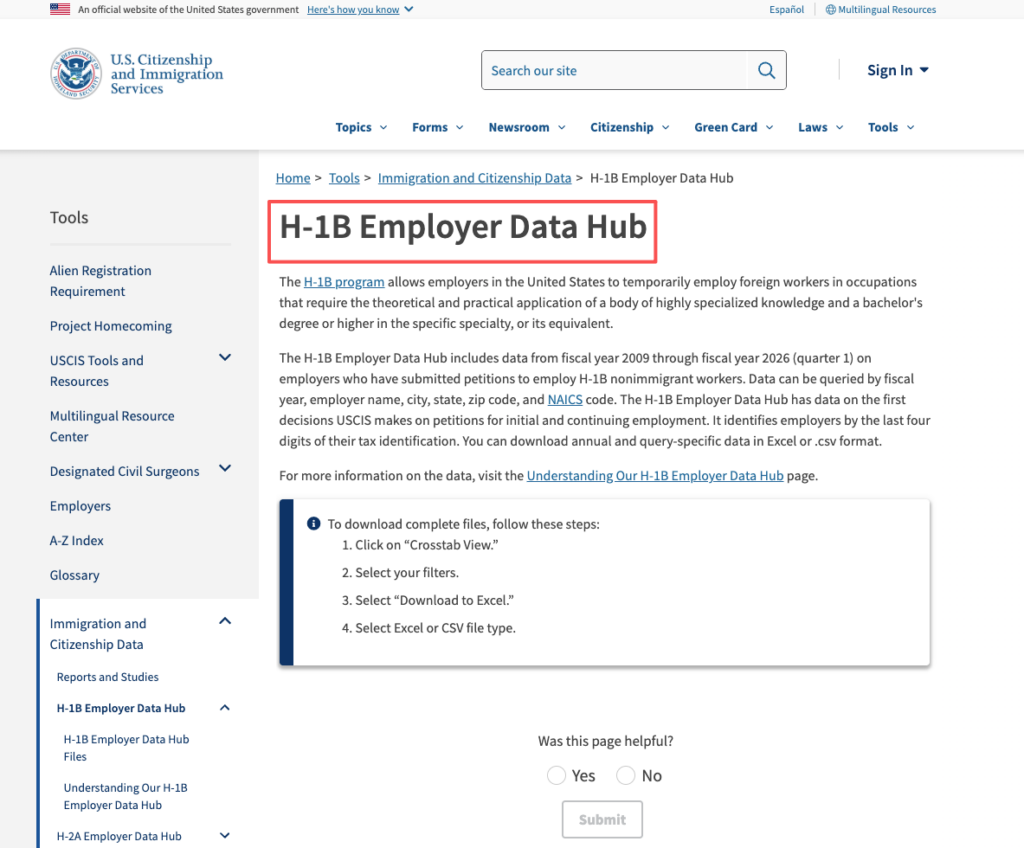
This won’t guarantee sponsorship, but it helps avoid wasting time on roles unlikely to sponsor.
If you’re new to remote work altogether, reviewing broader opportunities like entry-level remote jobs in 2026 can also help you identify roles that better match your experience level.
Final Take
Amazon remote work is real, but it’s not a shortcut. It’s a competitive lane with strict filters.
Who should prioritize Amazon remote jobs
You should prioritize Amazon remote roles if:
- You can quantify your impact with metrics
- You’re strong in written communication
- You like clear goals, high pace, and measurable outcomes
If you’re applying mainly because the brand feels “safe,” pause. That’s when people spray applications and get nothing back.
What to check before you apply
Before you hit submit, check these fast:
- Remote type: fully remote vs location-limited
- Keyword match: do your bullets mirror the posting language?
- Ownership signals: did you show decisions and outcomes?
- Visa reality (if needed): is sponsorship likely for that job family?
If you’re like me, you want a process you can trust when stress is high. Keep it simple: fewer applications, higher alignment, better metrics. That’s how you climb out of the application black hole, without burning weeks.
We know how exhausting the “apply and hope” lottery for Amazon roles can be. We built Jobright.ai to replace that burnout with precision, using AI to instantly align your unique skills with the specific ‘Virtual Location’ requirements Amazon recruiters are actually looking for.
Frequently Asked Questions About Amazon Remote Jobs
What does “remote” mean on Amazon remote jobs listings?
On Amazon remote jobs, “remote” can mean fully remote (work from most places in a country) or location-limited remote (work from home only in certain states, time zones, or within distance of an office). Always check the listing for “Virtual Location,” state limits, time zone, travel, and shift hours.
Why am I getting no responses after applying to many Amazon remote jobs?
Most “no response” outcomes come from misalignment, not lack of qualifications. Applicants often target the wrong type of Amazon remote work, miss location restrictions, or use resumes that don’t match the posting’s titles and keywords. Fewer, highly tailored applications with clear metrics and role-title alignment usually convert better than mass applying.
What are the main types of Amazon work from home jobs?
Amazon work from home jobs typically fall into two buckets: high-volume customer service/training roles (fast ATS screening, heavy keyword matching) and corporate/specialized roles like program management, analytics/BI, product, finance, security, and some software/data jobs. Each category has different competition levels and interview structures.
How do I optimize my resume for Amazon virtual jobs and ATS screening?
For Amazon virtual jobs, keep formatting clean and make signals easy to parse: match your role title to the posting, mirror key terms from the job description, and use “mechanism + metric” bullets (e.g., automation, dashboards, experiments with quantified impact). Show scope and scale—stakeholders supported, volume processed, regions launched.
Where can I find better-fit Amazon remote jobs without wasting time?
Start with Amazon Jobs and filter by “Virtual Location,” then open only 8–12 roles and compare them in a quick grid (keywords, team, location limits, qualifications you match, and your top matching projects). Pick the top 3 roles to tailor. This avoids crowded “easy apply” pools and improves your conversion rate.