
Sonara Review 2026: Pros, Cons, and What Users Actually Experience
Sonara is an AI-powered job search platform that automates how candidates find and apply to roles. It takes your resume and preferences, scans listings, matches relevant opportunities, and auto-fills applications to increase volume with minimal effort.
The idea of handing your resume to an AI and having it apply to jobs on your behalf sounds great, but does it really work well in practice? For instance, would it apply to the right roles? In this article, we unpack these concerns and test Sonara’s real-world effectiveness.
Read on to learn how Sonara works, what users are saying, and whether you should consider using it for your job search.
What Sonara Is and How It Works
Sonara is an AI-powered job search platform built to take the repetitive work out of applying. Instead of manually searching listings, it automatically finds and applies to roles that match your profile and preferences.
After collecting essential information, Sonara scans thousands of job postings, matches them to your background, and auto-fills application forms. The goal is simple: increase application volume while reducing the time and effort job seekers spend applying. Let’s go through the setup process.
1. Upload Your Resume and Add Preferences
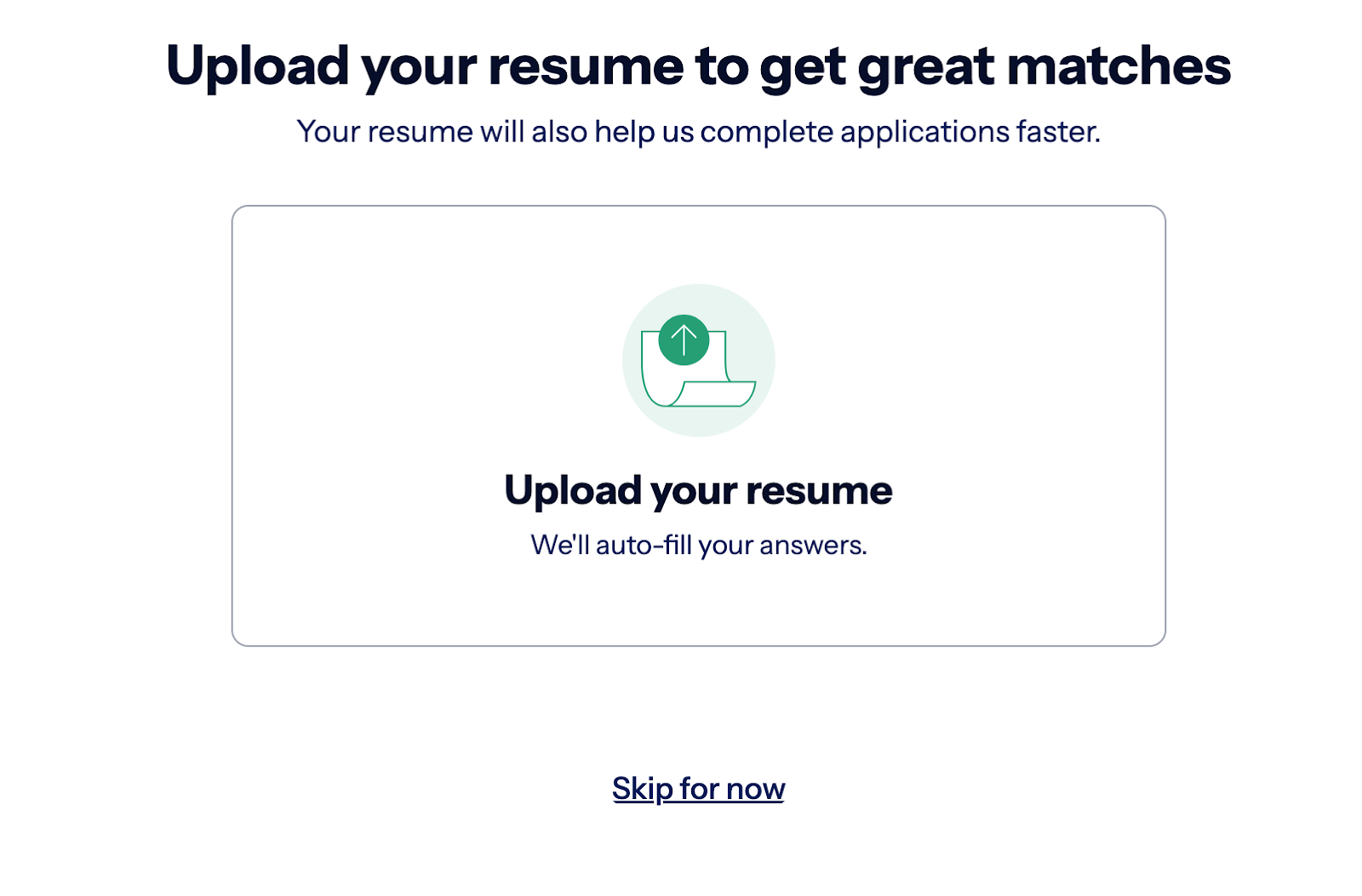
After signing up, you can upload your resume, which Sonara scans for basic details like experience and skills. You can also add preferences such as target roles, compensation range, and location to help it match you with the right jobs.
2. Specify How Many Jobs You Want to Apply to
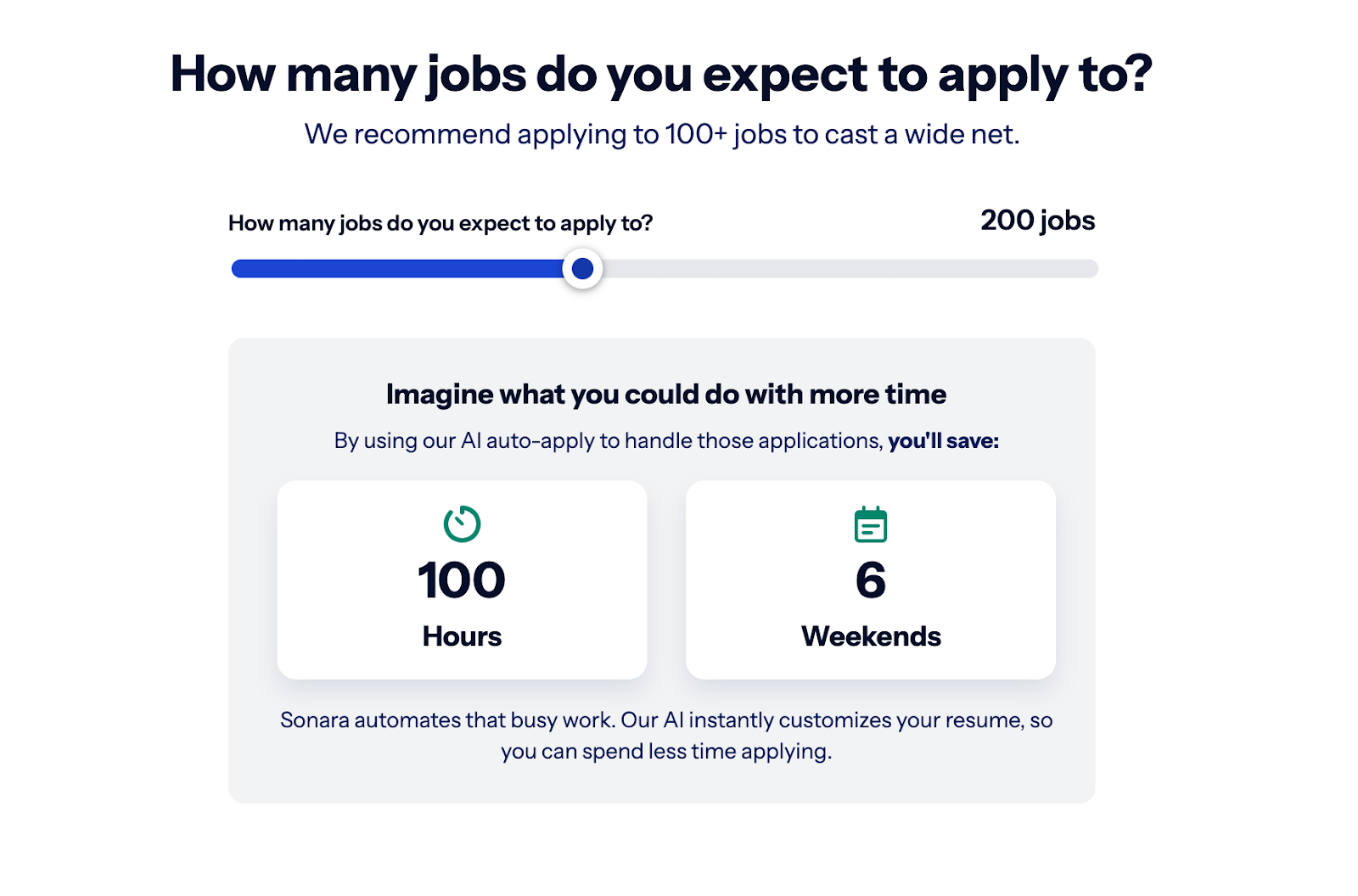
Next, you can choose how many jobs Sonara should apply to on your behalf. The platform recommends a minimum of 100 applications, but you can scale this up significantly depending on how aggressive your search is.
3. Begin Auto-Applying Process
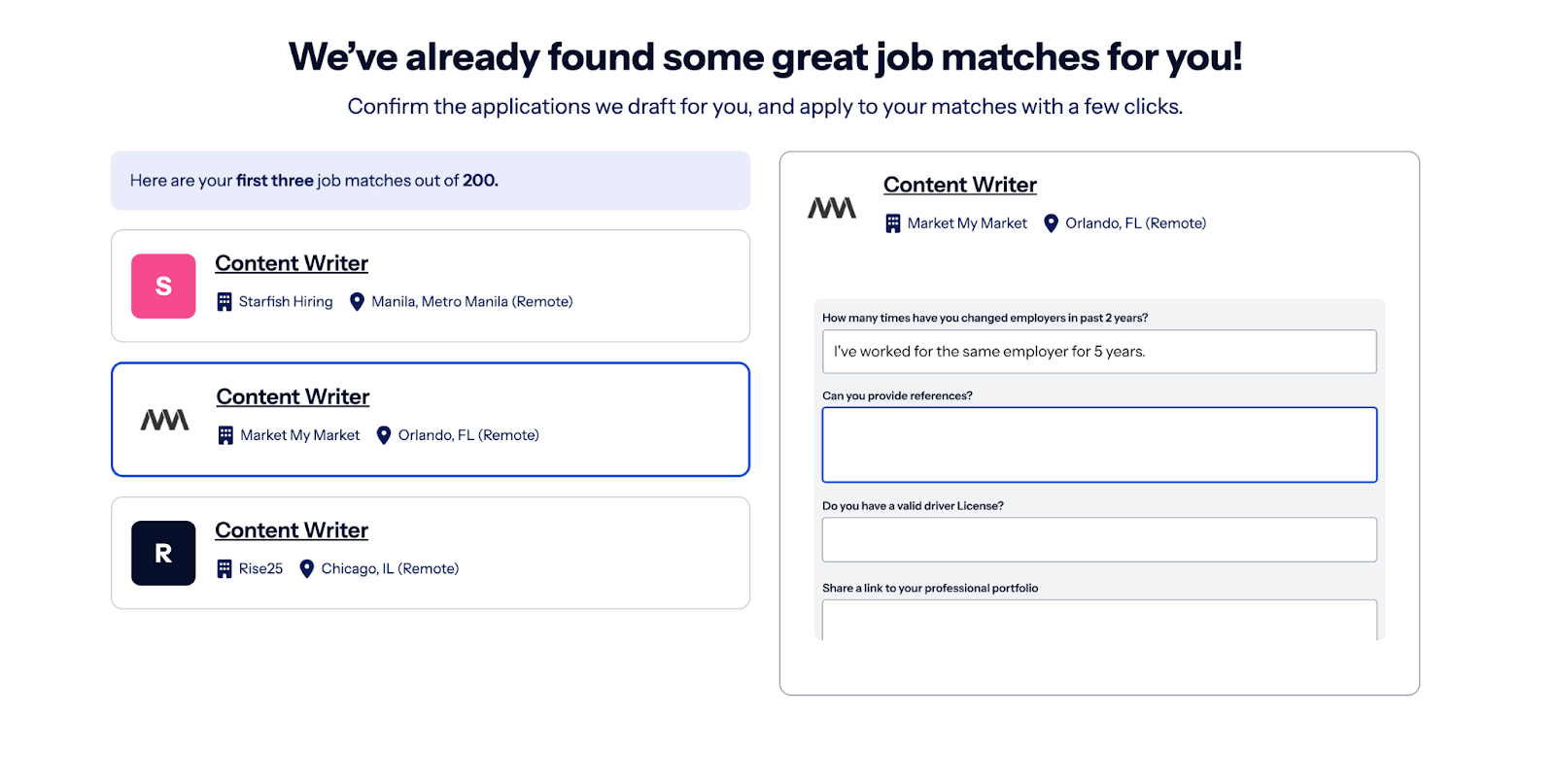
Before fully activating, Sonara shows a few trial applications for review. Once approved, the platform begins applying automatically, allowing you to step back while it submits applications in the background.
What Users Are Saying
Let’s hear from some Sonara users out there about their experience with the platform.

This review highlights Sonara’s biggest promise: speed and reach. For some users, automated applications and broad scanning appear to work well, helping them surface relevant roles and secure interviews quickly.
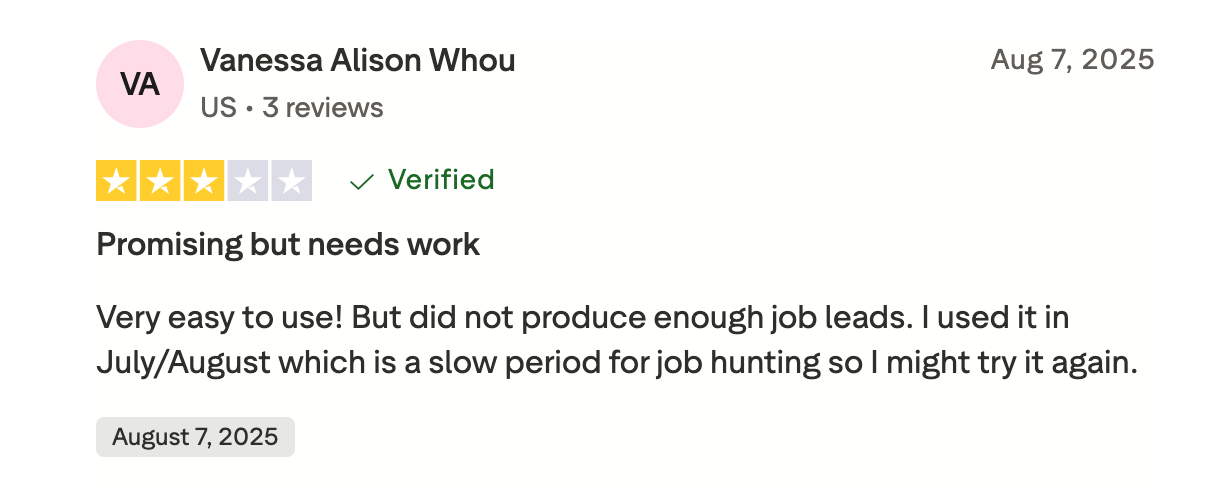
Here, ease of use is a clear win, but results fall short. The reviewer also flags timing as a factor, suggesting Sonara’s effectiveness may depend heavily on market conditions and hiring cycles.

This sharply critical review points to serious drawbacks, including poor resume quality and unresponsive support. It reflects frustration from users who expected personalization and reliability but felt the platform failed on both fronts.
Is Sonara Worth It in 2026?
Sonara offers a dedicated way to automate job applications at scale. With personalized matching and auto-applying features, it can help users apply to hundreds of roles weekly while saving hours of manual effort.
That said, there are notable downsides. Sonara has no free plan, with a $2.95 trial that auto-renews at $23.95 every month. Some users report irrelevant matches and inconsistent application quality.
Overall, Sonara works best for job seekers prioritizing speed and volume over precision. If you’re casting a wide net and want to reduce effort, it may help, but it’s less ideal for highly targeted, quality-driven searches.
Pros
- Automates job applications at scale
- Personalized job matching
- Saves significant time during the search
Cons
- No free plan; paid subscription required
- Reports of low-quality or irrelevant matches
- Only ideal for quantity-over-quality strategies
Other Tools You Can Use Instead of Sonara
If Sonara’s broad, high-volume approach doesn’t quite fit your job search style, there are more flexible alternatives worth considering.
Jobright offers full job-application automation through Jobright Agent, applying to jobs on your behalf much like Sonara.
At the same time, for those who prefer precision, Jobright also offers tools like Application Autofill, AI Job Match, and Insider Connections. A built-in Job Tracker also helps you monitor every application in one place.
All of these tools make it easier for you to prioritize high-fit roles, track progress, and apply strategically rather than just at scale.
FAQs
Here are some common questions you may have.
1. What pricing plans does Sonara offer?
Sonara offers a $2.95 trial covering up to 10 applications or 14 days. After that, it renews at $23.95 monthly. You can also opt for an annual plan that costs $71.40 upfront, offering unlimited applications and full feature access.
2. Does Jobright include AI-powered resume and cover letter generation tools?
Yes! Jobright includes an AI Resume Builder to create or refine resumes and a Cover Letter Generator that produces tailored cover letters. Both tools are customizable and designed to align closely with specific roles and career goals.
Final Words
Sonara aims to simplify job hunting by automating applications at scale, but its effectiveness varies by user. While it can save time and boost volume, there are concerns around match quality, pricing, and reliability.
Jobright offers a more balanced alternative, combining full auto-apply automation with tools for targeted searching, smarter matching, and application tracking, making it better suited for job seekers who value both efficiency and precision.
👉 Want a deeper comparison? Read Best Auto-Apply Tools for Tech Job Seekersto see how Sonara and Jobright stack up against other leading platforms, and find the best fit for your search.
More About Jobright
Just like Sonara, Jobright is an AI-powered job search platform aimed at simplifying the modern job hunt. It offers AI job matching, resume optimization, application tracking, and more, helping candidates organize and manage their job search in one place. Try Jobright for smarter, faster job searching today!